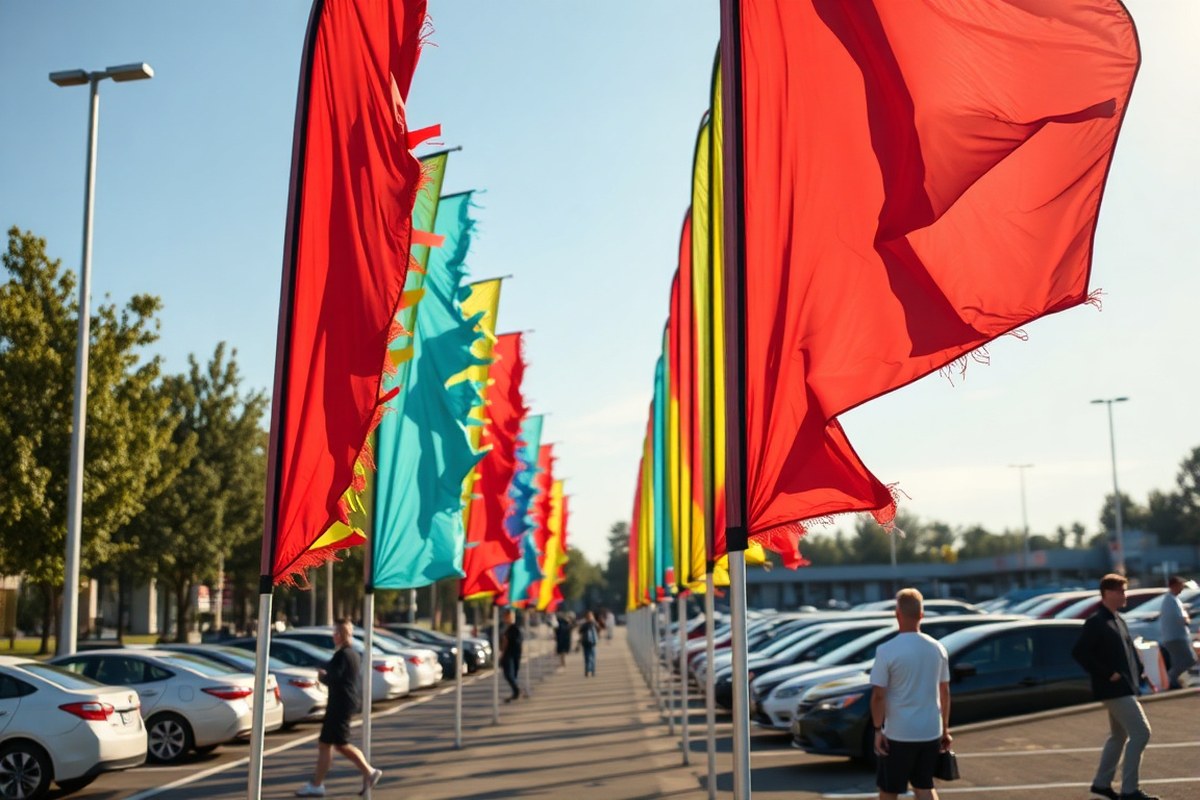
Feather Flag Sign Ideas: Design Tips, Uses & Size Guide That Work
Feather flag sign ideas help you create eye-catching outdoor or indoor banners that boost visibility and draw attention easy. Use tall, colorful feather flags with bold fonts to make your message stand out from a distance. Start by selecting the right flag height based on your location, like 8 feet for indoor events or 16 feet for outdoor promotion.
Key Takeaways
- Choose a flag height of 8 feet for indoor use and up to 16 feet for outdoor visibility at a distance.
- Select contrasting colors to improve readability, pairing dark fonts against light backgrounds or vice versa.
- Use simple, bold typography with large font sizes for quick message comprehension.
- Opt for feather-shaped flags for a dynamic look or rectangular styles for maximum branding space.
- Consider durable, weather-resistant materials to ensure your feather flag withstands outdoor conditions.
- Stabilize your flag with portable bases or ground spikes suited to the installation environment.
What Are Feather Flags and How Do They Work?
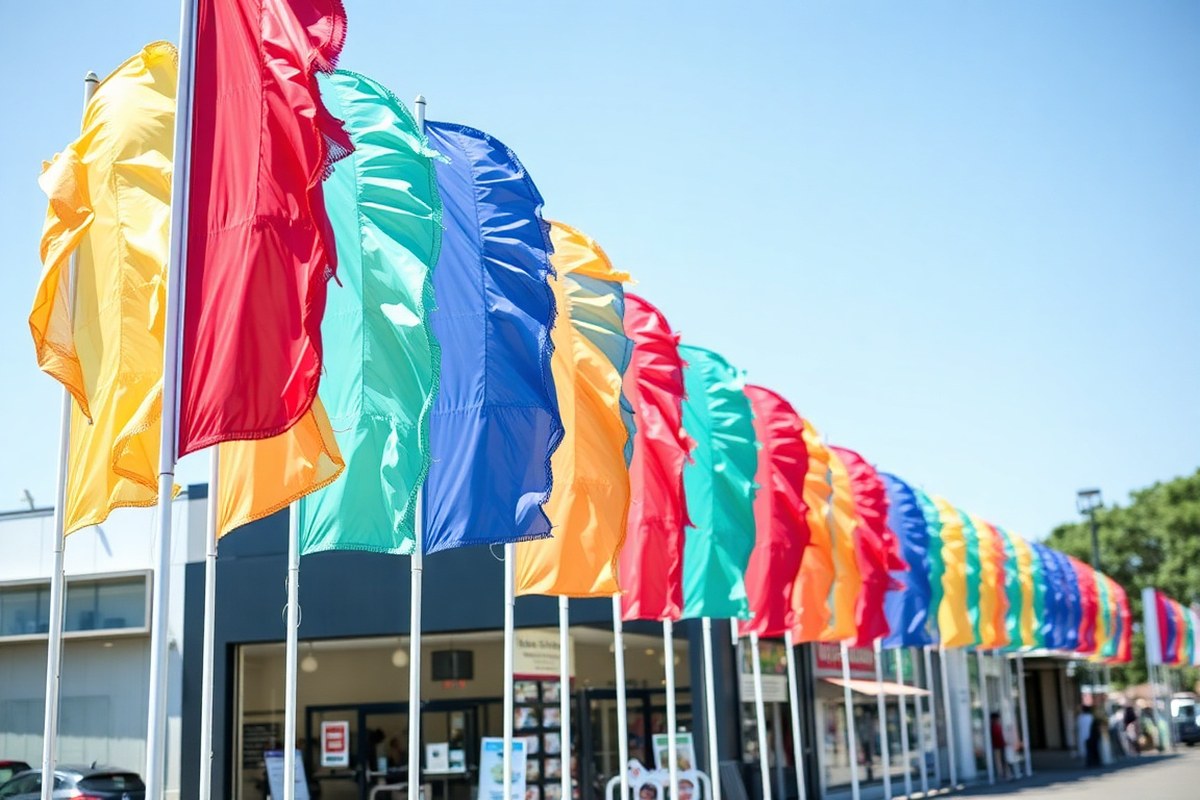
Feather flags are tall, narrow banners designed to display promotional messages clearly and attractively. They typically range from 8 feet to 16 feet in height and about 3 feet wide. These dimensions allow the flags to stand out in crowded outdoor spaces, making them ideal for small business owners, event organizers, and marketers seeking to boost visibility effectively. Their distinctive shape resembles a feather or teardrop, which sets them apart from traditional rectangular signs.
The main purpose of feather flags is to catch the eye of passing consumers and direct attention to a brand, product, or event. Their height places messages at a higher level than most signs, helping them be seen over obstacles like parked cars or landscaping. For example, a 16-foot feather flag at an outdoor festival can be spotted from a long distance, drawing attendees toward your booth or tent. This makes them especially useful in open areas where visibility matters.
Feather flags work through a combination of height and movement. Their tall poles improve the flag well above typical eye level, allowing your message to be noticed from far away. In addition, the fabric is lightweight and mounted on a flexible pole, causing the flag to flutter and sway with any breeze. This motion naturally attracts human attention since moving objects are harder to ignore than static signs. The kinetic effect creates an inviting visual display that can be seen even when people are distracted by other sights or sounds.
Setting up feather flags is straightforward. Each flag comes with a pole and base, which can be a cross base for stability on flat surfaces or a spike base that installs in soil, depending on your location. Position flag bases near entrances, along sidewalks, or close to parking lots to maximize exposure. The double-sided printing on most feather flags ensures messages are visible from multiple directions. You can expect these flags to last about two years with continuous outdoor use if they are made from high-quality polyester material.
Choosing the right size is essential for your specific setting. An 8-foot flag suits smaller spaces or indoor events since it fits well without overwhelming nearby signage. The 12.5-foot option is common for general outdoor use and balances visibility with portability. Flags at 16 feet work best when you want to stand out across a larger area or compete with other tall signs. Keep in mind that taller flags require larger bases to stay stable, especially in windy conditions, and may cost more to ship and store.
Cost varies by size and design complexity, but custom feather flags generally fall between $70 and $200 each. Quick-turnaround options allow production within 24 hours at some manufacturers, making them convenient for last-minute promotions. Careful message design is important since the narrow layout demands concise, readable text and bold graphics. Effective feather flags combine these elements with their distinctive height and movement, providing an affordable yet powerful way for small businesses and events to catch attention and increase traffic.
Types and Sizes of Feather Flags Explained
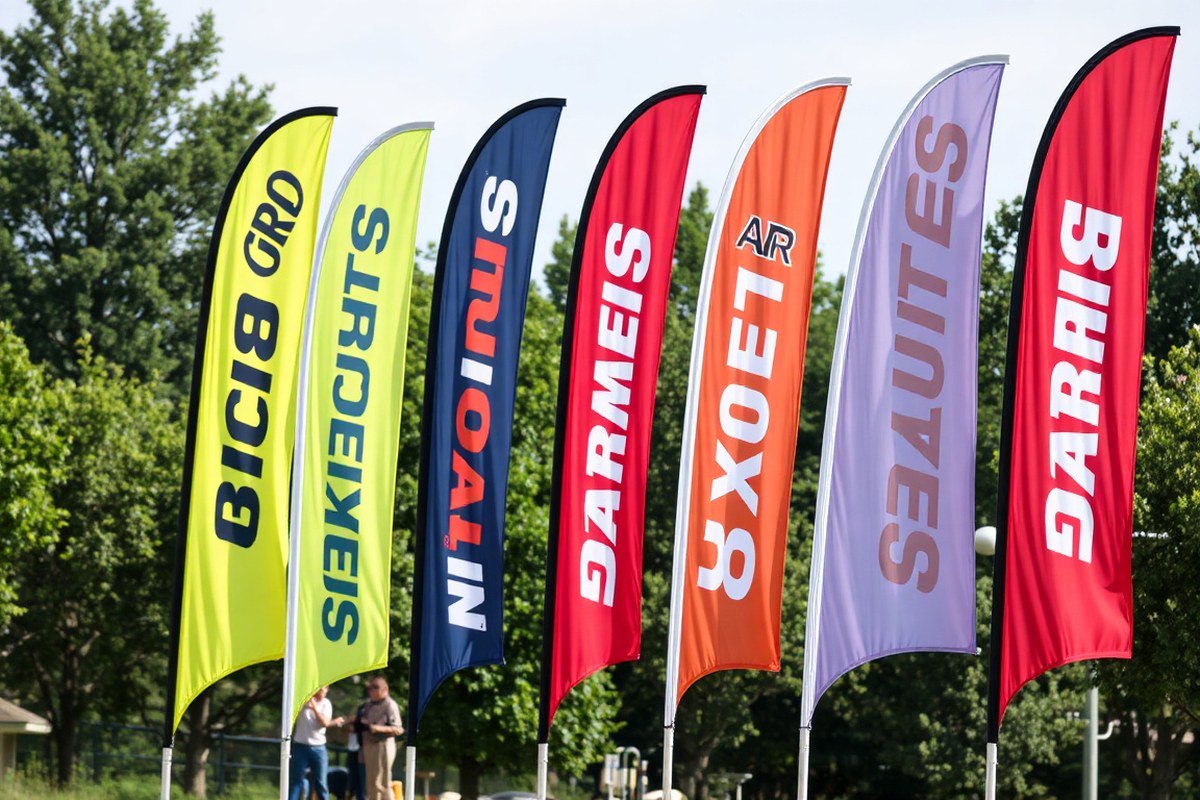
Feather flags come in several shapes and sizes, each designed for specific marketing goals and spaces. Choosing the right flag size and style depends on where you plan to place them and how much visual impact you want to create. Both height and shape affect visibility, durability, and messaging space.
Standard Sizes and Height Options
Feather flags are available in a range of sizes labeled Small, Medium, Large, and Jumbo to meet different promotional needs. Heights typically range from about 6 feet for the smallest sizes up to 15 feet or more for Jumbo flags. Taller flags offer better visibility from a distance, making them suitable for outdoor events or roadside advertising.
Smaller sizes work well indoors or in tight spaces where taller flags might obstruct views or interfere with foot traffic. Larger flags need sturdy and often premium pole sets to withstand outdoor wind conditions without damage or excessive movement.
| Size | Approximate Height | Ideal Use Case |
|---|---|---|
| Small | 6 to 8 feet | Indoor events, retail sidewalk displays |
| Medium | 8 to 10 feet | Trade shows, store entrances |
| Large | 10 to 12 feet | Outdoor promotions, high-traffic areas |
| Jumbo | 12 to 15+ feet | Roadside advertising, grand openings |
Choosing the correct size is important to balance visibility with practicality and safety. Oversized flags in small indoor locations can become obtrusive, while small flags outdoors may go unnoticed.
Shape Varieties: Feather, Teardrop, Rectangular
Three popular shapes are feather, teardrop, and rectangular flags. Feather flags have a gently bowed top section, creating a distinctive curved shape that catches the eye with flowing movement. This shape is widely used for general advertising due to its elegant look and visibility.
Teardrop flags taper to a point at the bottom, offering an even sleeker, more streamlined silhouette. Their elegant shape makes them especially well suited for special events such as grand openings or upscale promotions where a refined appearance is important.
Rectangular flags offer a classic, straight-edged design. Their shape provides more straightforward space for large text and images, useful when precise messaging and brand visuals must be clear and easy to read from a distance.
Recommended Environments for Each Size and Style
Small feather flags work well inside shops, malls, or trade shows, where space is limited but you still want to draw attention. Their curved shapes bring visual interest without overwhelming the setting.
Medium and Large feather flags perform best on sidewalks, near store entrances, or at outdoor fairs. Their size offers a good balance of visibility without needing heavy-duty mounting. Teardrop shapes at these sizes add a touch of sophistication to such settings.
Jumbo flags, especially rectangular or large feather shapes, are highly effective for roadside displays, parking lots, and large outdoor gatherings. Make sure to use premium pole systems for these to hold up against wind and weather. Rectangular flags excel where straightforward branding is the priority over flow and movement.
Always secure large or Jumbo flags with weighted or ground spike bases to prevent damage from wind gusts and ensure safety.
Choosing Colors and Fonts for Maximum Readability
Choosing colors and fonts for feather flags must focus on quick readability from a distance. Use high-contrast color combinations and simple, bold fonts sized large enough to be seen clearly. Avoid clutter to ensure your message stands out in any lighting condition.
High-Contrast Color Combinations
For feather flags, strong contrast between text and background improves legibility. Dark backgrounds work well with light-colored text like white or light gray, while light backgrounds pair best with black or dark gray fonts. Avoid using colors that are similarly bright or saturated, such as red text on an orange background, because they blend and become hard to read beyond a few feet. Limiting your design to two or three colors prevents visual confusion and helps the message pop.
Vibrant hues attract attention, but maintaining enough contrast matters most for readability. Consider the flag’s location, flags in direct sunlight require colors that won’t fade or wash out, while those in shaded areas benefit from slightly lighter colors to maintain visibility.
Font Size and Type Recommendations
Choose clear, sans-serif fonts like Arial, Helvetica, or Futura that maintain legibility on tall, narrow feather flags. These fonts have clean lines and avoid decorative elements that become illegible when viewed from different angles or distances. Use bold or semi-bold font weights to increase visibility.
Font size should be as large as possible while leaving enough space around the text for breathability. As a rule, keep your flag’s main message to no more than two to three words in a very large size. Extra text reduces font size and makes it harder to read at a distance. For a 12.5-foot feather flag commonly used outdoors, letters of at least 6 inches tall work well for readability from 25 to 50 feet away.
Avoiding Clutter and Over-Design
A clean design improve readability significantly. Overloading the flag with too many colors, fonts, or detailed images forces viewers to take longer to understand the message. Simplicity allows your message to register instantly. Consider this checklist when designing your feather flag for maximum readability:
- Use two to three main colors with strong contrast.
- Select bold, sans-serif fonts with minimal decoration.
- Keep text large, ideally 6+ inch letters for outdoor flags.
- Limit wording to the essential message, 2 to 5 words recommended.
- Place text on a solid background without busy patterns.
- Avoid gradients or colors that reduce contrast in sunlight.
- Test visibility in both bright sunlight and shade conditions.
Following these guidelines helps your feather flag communicate its message clearly and quickly, maximizing its effectiveness at events, outside storefronts, or parking areas.
Designing Feather Flags That Grab Attention
Designing feather flags that catch attention depends on clear messaging, bold graphics, and smart layout. Your design needs to be readable from a distance and balanced to highlight your brand without overwhelming viewers. Position text and images so that the flag’s movement improve visibility rather than confusing the message.
Step 1: Define Your Key Message
Identify one simple, direct message that you want your feather flag to communicate. This could be a promotion, event name, or brand slogan. Avoid cramming too much information, because feather flags are mainly spotted quickly by people passing by.
Splitting your message into a headline and optional supporting detail works well. Keep the headline short, around 3 to 5 words, and use the supporting line only if it’s essential. Your goal is instant recognition and understanding.
Step 2: Pick Striking Graphics and Colors
Choose bold, contrasting colors to maximize visibility. Bright backgrounds with dark text or vice versa boost legibility, especially in outdoor settings. Using your brand colors helps strengthen recognition, but prioritize contrast over strict brand guidelines if needed.
Include a simple, high-resolution graphic or logo that ties into your message. Avoid overly intricate images that lose clarity when the flag waves. Keep graphics above or below text to maintain a clean look and prevent clutter.
Step 3: Position Text for Quick Reading
Place the most important words near the top of the flag where they catch the eye first. Use large, clear fonts sized to be readable from at least 20 feet away. Avoid mixing font styles and limit fonts to one or two complementary types.
Align text vertically center or slightly above center for balance. Leave enough padding around text so it doesn’t crowd the edges, which helps readability even when the flag moves.
Step 4: Review for Visibility at a Glance
Check the flag’s readability by simulating outdoor conditions: standing 15 to 30 feet away, looking at the design with some motion in mind. Ensure the key message is legible and the flag isn’t visually overloaded.
Consider ordering double-sided prints if your flag location has traffic coming from multiple directions. Double-sided flags keep your message visible and correct from both sides but cost about 30% more than single-sided options. Test your design on a mock-up before finalizing to catch any spacing or balance issues.
- Start with a concise headline summarizing your main point.
- Select colors that contrast well and reflect your brand identity.
- Add a simple graphic or logo that supports your message without clutter.
- Choose large, easy-to-read fonts and limit to one or two types.
- Arrange text near the top or center for easy scanning at a distance.
- Leave sufficient spacing around text and images to prevent crowding.
- Review your design from various distances and angles simulating wind movement.
- Decide if a double-sided flag is needed to increase visibility from all directions.
Materials, Printing, and Durability Considerations
Most feather flags use polyester fabric due to its balance of durability, brightness, and cost. A common choice is SignWeave™ fabric, which is a tightly woven polyester designed for outdoor signage. This material allows ink to bond well for vibrant colors and sharp images. Compared with cheaper fabrics, it resists fading and tearing better under sun exposure and wind. Polyester also dries quickly after rain, preventing mildew and sagging.
Printing methods impact both how the flag looks and how long it lasts. Dye-sublimation printing is typical for polyester feather flags. This process involves infusing the ink into the fabric fibers with heat, rather than just laying it on the surface. The result is a deep, vibrant print that resists cracking and peeling over time. Other printing options include screen printing or vinyl transfer, but these may add weight or be less flexible in harsh weather.
Choosing between single-sided and double-sided printing depends on your visibility needs and budget. Single-sided flags have the design on one side only, with the reverse showing a mirror image that’s usually faint. They tend to be lighter, which is better for windy areas and reduces wear on the pole. Double-sided flags have two layers sewn together with the design printed on both sides, providing full visibility from every angle but costing more and adding weight, which could stress the mounting over time.
Weather resistance depends on fabric quality, printing, and frame construction. High-grade polyester coupled with dye-sublimation offers the best balance of vivid colors and durability in sun, rain, and wind. Frames made from aviation-grade fiberglass provide flexibility to bend without breaking, improving wind tolerance and extending the flag’s service life. Opt for a well-crafted base suited to your outdoor conditions to prevent tipping or damage.
Production times vary but many suppliers, including Easy Signs, provide quick turnaround with ready-to-assemble kits. Expect professional-grade custom feather flags to cost between $100 and $300 depending on size, printing complexity, and base type. Investing in higher quality materials and printing pays off through longer-lasting display and sustained visual appeal, reducing replacement frequency and overall marketing costs.
Always check that your feather flag fabric is treated to resist UV fading and moisture to maintain bright colors and structural integrity through multiple seasons.
Installation Options and Portable Bases for Stability
Feather flags come with various pole and base options that match different locations and surfaces. The poles typically use a tension system, which keeps the fabric tight and presents a clean, eye-catching look. This system is designed for quick setup, often under five minutes, allowing you to focus on your event or marketing without hassle.
Several base styles provide stability for indoor and outdoor installations. Heavy-duty bases ensure the flag remains upright during wind or foot traffic, while lighter bases support easy indoor placement and frequent moves. Choosing the right base depends on your surface, portability needs, and environment.
| Base Type | Best Surface | Portability | Stability | Typical Cost Range |
|---|---|---|---|---|
| Water-Fillable Base | Concrete, Asphalt, Indoor Floors | High (Empty for transport) | Good (Weight added by water) | $25, $50 |
| Cross Base with Ground Stakes | Grass, Dirt | Medium (Easy to carry; requires staking) | Very Good (Staked down) | $15, $40 |
| Heavy Metal Base Plate | Indoor Floors, Pavement | Low (Heavy to transport) | Very High | $50, $100 |
| Spike Base | Soft Soil, Sand | High (Lightweight) | Good (Depends on ground firmness) | $20, $35 |
Setting up these flags involves inserting the poles into the base and attaching the flag fabric using the tensioning system. The poles close into sections, making transport easier. For outdoor stability, use ground stakes or fillable bases to prevent tipping during wind gusts.
For indoor events, metal base plates provide a stable, no-damage option. The downside is extra weight, which can make transport cumbersome. A fillable base lets you avoid excess weight during travel by emptying it before moving. Outdoor events benefit from cross bases combined with ground stakes to secure the flags firmly.
Common Design and Usage Mistakes to Avoid
Designing and placing your feather flags incorrectly can seriously reduce their effectiveness. Overcrowded text or too many images make it hard for passersby to quickly grasp your message. Keep the design straightforward with high-contrast colors and large fonts to ensure readability from a distance. Avoid using more than two font styles or excessive wording. This simplification matters because viewers typically have only seconds to notice your flag and understand its purpose.
Wind damage is another common issue with feather flags. Flags that aren’t secured properly or exposed to strong, sustained winds can tear or bend poles. To prevent this, choose the right base for your installation site. Weighted bases are best for sidewalks or indoor use, while ground stakes are suitable for grassy areas. Using flag poles made from flexible yet durable fiberglass or aluminum can also reduce breakage. Monitor weather conditions and remove flags during storms to extend their lifespan.
Placement errors also dull your feather flags’ impact. Placing flags behind obstacles, at too low an angle, or in locations with low foot or vehicle traffic greatly reduces visibility. Position flags near entrances, busy corners, or along high-traffic walkways so more people see them. The flags should stand tall, around 8 to 12 feet high, and face the main sightlines of your audience to maximize exposure.
- Use simple, concise messages with large fonts for quick readability
- Choose and secure bases appropriate for the surface and wind conditions
- Place flags where they are clearly visible and not blocked by other objects
- Opt for durable materials and flexible poles to resist wind damage
- Keep flag height between 8 and 12 feet for optimal visibility
- Regularly inspect flags for wear and remove during extreme weather
- Avoid cluttered backgrounds that reduce the flag’s contrast
Applying these practical strategies helps your feather flags catch attention and last longer. Simplicity in design saves viewers time while sturdy installation protects your investment. Careful placement ensures your message reaches the right audience in busy outdoor settings like fairs, markets, and events. Avoiding these common mistakes creates a strong, effective outdoor marketing tool that stands up to both eyes and elements.
Creative Feather Flag Ideas for Different Events
Feather flags offer versatile solutions for marketing across various industries and events by tailoring design and placement to specific needs. For retail stores, use brightly colored feather flags positioned near entrances or parking lots to announce sales or new arrivals. A simple message like “Summer Sale – Up to 50% Off” printed in large, clear fonts boosts visibility and attracts passing customers. Angled top flags fit well here, giving a modern touch without overwhelming the storefront.
At festivals and outdoor events, durable feather flags with bold logos or sponsor names help guide attendees and reinforce brand presence from a distance. Consider short, rotating messages for multi-day events, advertising food vendors, schedules, or emergency points. For sports games, flags displaying team colors and mascots create excitement and community spirit. Placing them along fan zones or concession areas increases engagement and encourages social sharing.
In real estate, feather flags serve to highlight open houses or new developments. Use simple wording such as “Open House Today” combined with directional arrows to guide visitors. Bright, contrasting colors improve visibility along busy streets, especially if used with a weighted base for stability during windy conditions. Seasonal campaigns can benefit from design tweaks like adding frost or leaf motifs for winter or fall events. This aligns branding with customer sentiment and increases relevance.
- Retail: Bright colors, clear sale messages, placed near entrances or parking lots
- Festivals: Sponsor logos, rotating event info, high durability material
- Sports: Team colors, mascot images, placed near fan zones and concessions
- Real Estate: Directional arrows, simple “Open House” text, weighted bases for outdoor placement
- Seasonal Campaigns: Themed graphics (e.g., snowflakes, pumpkins), limited-time offers
- Collaborative Campaigns: Co-branded flags for press walls or partnership events
Choosing lightweight yet durable polyester or nylon ensures flags hold up through several event days and various weather conditions, often costing between $50 and $150 each depending on size. Position flags where natural foot or vehicle traffic is highest to maximize impressions, usually near entrances, crosswalks, or vendor areas. Keep text and images large and simple to read quickly; 48-point font or larger is recommended for best visibility from 10 feet or more. Avoid cluttering flag space since limited sign area demands a focused message.
Place feather flags with sturdy bases or ground stakes, especially outdoors, to prevent tipping and ensure continuous visibility throughout the event.
Adapting feather flag design by event type, audience, and season helps you use their full marketing potential. Using angled or straight pole styles with customized messages keeps your campaign fresh and noticeable in diverse outdoor settings.
Your First Feather Flag Campaign: A Quick-Start Plan
Start using feather flags effectively with a few clear steps to boost your brand’s visibility at events or outside your business. Follow this plan to see noticeable results within a month.
- Day 1: Define your main message and target audience to ensure your feather flag design aligns with your branding. Check that your message is clear and simple enough for quick reading.
- Day 3: Choose your feather flag size and type based on where you’ll place it, such as sidewalk, trade show, or roadside. Confirm the location allows good visibility without obstacles.
- Day 5: Select high-contrast colors and legible fonts that can be read from at least 10-20 feet away. Test your design by printing a draft on regular paper and viewing it from a distance.
- Week 2: Order your feather flags from a reliable supplier using weather-resistant materials suited for your environment. Verify their proof matches your design before approval.
- Week 3: Install the feather flags with the appropriate base, such as a ground spike for outdoor events or a cross base for indoor use. Ensure they stand upright and stay stable in average wind conditions.
- After 4 weeks: Monitor your feather flag’s impact by tracking foot traffic or customer inquiries linked to its placement. Adjust the location or messaging if visibility or engagement falls short.
Frequently Asked Questions
What Are Some Unique Placement Ideas for Feather Flags at Outdoor Events?
Place feather flags near entry points or along walkways to direct traffic. Positioning them at varying heights can also increase visibility and draw attention.
How Can I Incorporate Branding Beyond Logos on Feather Flags?
Use consistent colors, fonts, and taglines to reinforce brand identity. Adding social media handles or website URLs can further engage viewers.
What Are Effective Ways to Use Feather Flags for Small Business Promotions?
Position flags near storefronts or parking areas to catch passersby. Change flag designs seasonally to highlight promotions or new products.
Can Feather Flags Be Used Effectively Indoors?
Yes, feather flags work well indoors with smaller sizes and portable bases. They create visual interest in crowded spaces like trade shows or lobbies.
How Often Should Feather Flag Designs Be Updated for Marketing Campaigns?
Update designs based on campaign duration, typically every 3 to 6 months. Frequent changes keep the message fresh and aligned with current promotions.
What Lighting Considerations Improve Feather Flag Visibility at Night?
Use focused spotlights or LED uplights to highlight flags after dark. Avoid glare or shadows that might reduce readability.
The Bottom Line
Feather flag signs work well to catch attention and reinforce your brand when you focus on clear messaging, proper sizing, and sturdy installation. Start by defining your key message, then select the right materials and placement to get noticed. Taking these practical steps helps your business stand out at events and in busy locations.