How to Store Banners: 8 Essential Steps for Long-Lasting Care
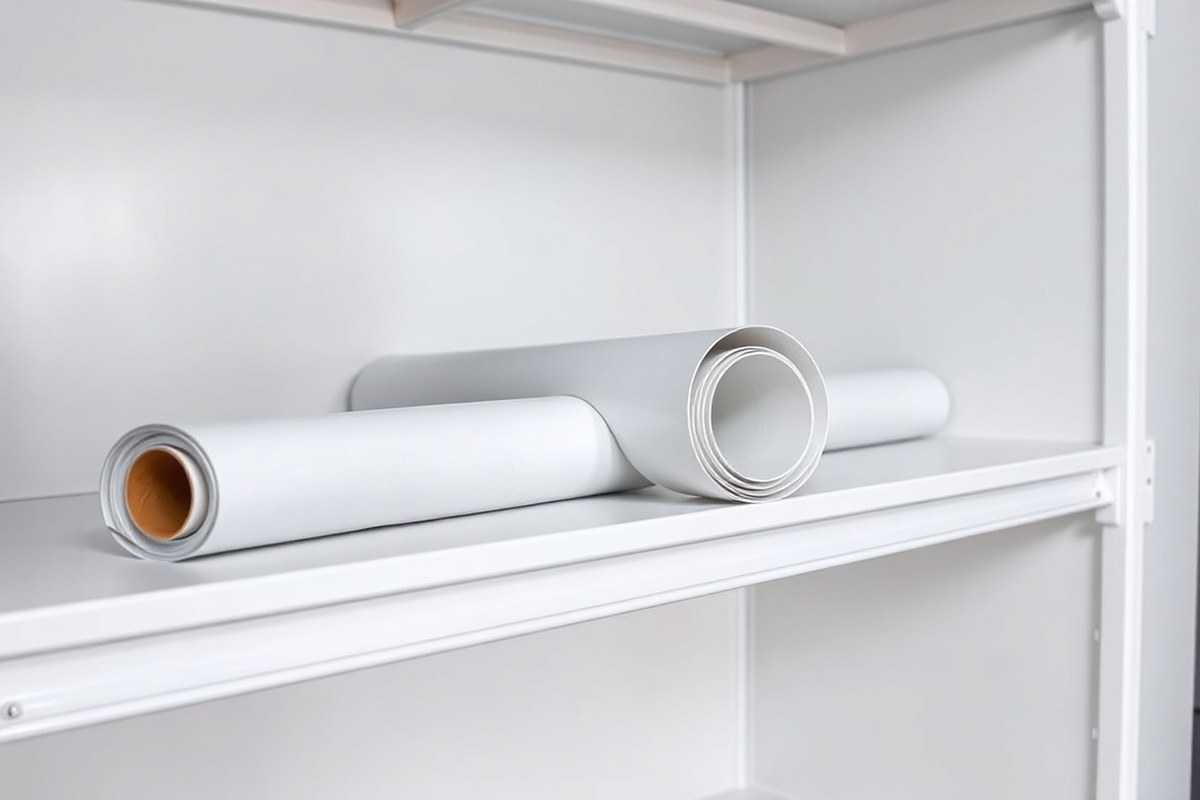
How to store banners properly starts with the principle of rolling the banner around a rigid tube to avoid creases. Rolling on a 3-inch diameter tube or larger keeps banners smooth and prevents damage. This method preserves their look and extends their lifespan by reducing stress on the material. Temperature and humidity levels also affect banner durability, so maintaining storage conditions around 60°F to 75°F and 40% to 60% relative humidity helps prevent mold and material deterioration.
Key Takeaways
- Always roll banners onto tubes at least 3 inches in diameter to prevent creases and damage.
- Use a 4-inch diameter tube for banners wider than 4 feet to maintain even tension during rolling.
- Keep storage temperatures between 60°F and 75°F to avoid material weakening or warping.
- Maintain humidity levels between 40% and 60% to reduce mold risk and material degradation.
- Clean and dry banners thoroughly before storing to prevent stains and mildew buildup.
- Protect banners with appropriate materials like acid-free tissue for fabric or kraft paper for vinyl before rolling.
1. Why Rolling Is the Best Method for Banner Storage
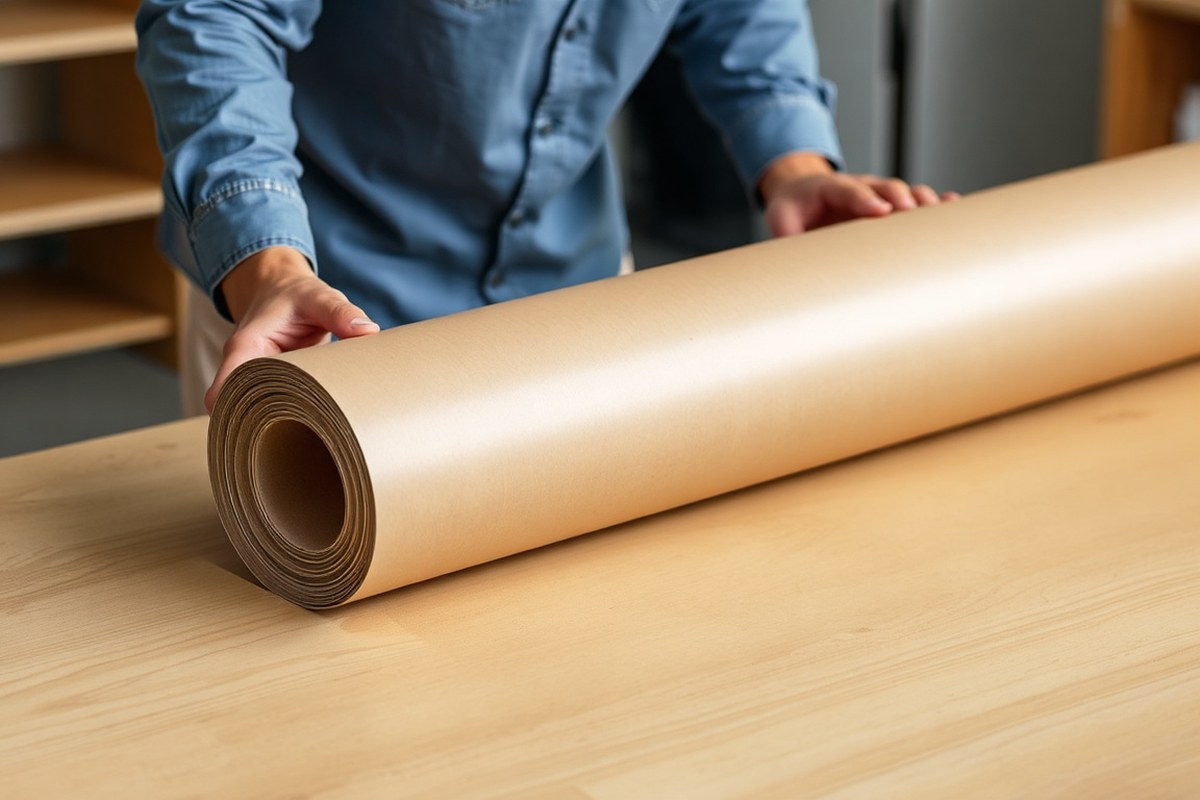
Rolling banners instead of folding them prevents permanent creases and damage by reducing stress on the material and printed surfaces. Folding creates sharp bends that crack inks and weaken vinyl fibers, shortening the banner’s lifespan. Rolling distributes stress evenly around a core, preserving flexibility and the quality of the graphic. Using the right rolling direction and core size ensures the banner stays tight enough to avoid wrinkles but loose enough to prevent cracking.
| Point | Folding Risks | Rolling Benefits |
|---|---|---|
| Material Stress | Cracks ink, stresses vinyl permanently | Distributes stress evenly, prevents cracks |
| Creases | Sharp creases cause permanent damage | No creases, smooth surface retention |
| Longevity | Reduces banner lifespan | Extends banner usability |
| Storage | Harder to flatten out wrinkles after use | Easy to unroll and display without damage |
For vinyl banners with lettering, roll them with the printed side facing outward to minimize ink cracking. Digitally printed banners should be rolled with the graphic facing inward to protect the ink from abrasion. Fabric banners, though flexible, benefit from rolling too to avoid creases that folding induces.
Roll your banners on a sturdy core to keep them safe from harm. The industry standard calls for cores at least 3 inches in diameter, but opt for a 4-inch core if your banner exceeds 4 feet in width or 8 feet in length. Using a core helps avoid sharp bends, which can weaken or damage the material. Avoid rolling banners directly on hard surfaces or without a core to minimize wear and damage. Follow these steps to roll banners properly for long-term storage:
- Clean and dry the banner thoroughly. Ensure the banner is air-dried completely to prevent moisture damage or mold formation.
- Lay the banner flat on a clean surface with the correct side facing up or down based on material type. For vinyl with lettering, face lettering outward. For digitally printed banners, face the graphic inward.
- Place a rigid core (cardboard or PVC tube) at one edge of the banner. Choose a core diameter of at least 3 inches, or 4 inches for larger banners.
- Begin rolling the banner evenly around the core. Maintain gentle, consistent tension to avoid tight bends or loose rolling.
- Roll the banner fully onto the core, keeping the edges aligned. Avoid folding or bending corners during rolling.
- Secure the rolled banner gently with soft ties or stretch wrap. Do not use tight bands that can cause indentations.
- Store the rolled banners horizontally on racks or in appropriate containers. This distributes weight evenly and prevents deformation.
- Inspect monthly and re-roll in the opposite direction to avoid permanent memory creases.
Following these guidelines keeps banners in good condition, ready to display with no damage from storage. Rolling, not folding, combined with the right core and handling, offers the best protection for event, ministry, or marketing banners.
2. How Temperature and Humidity Affect Banner Longevity
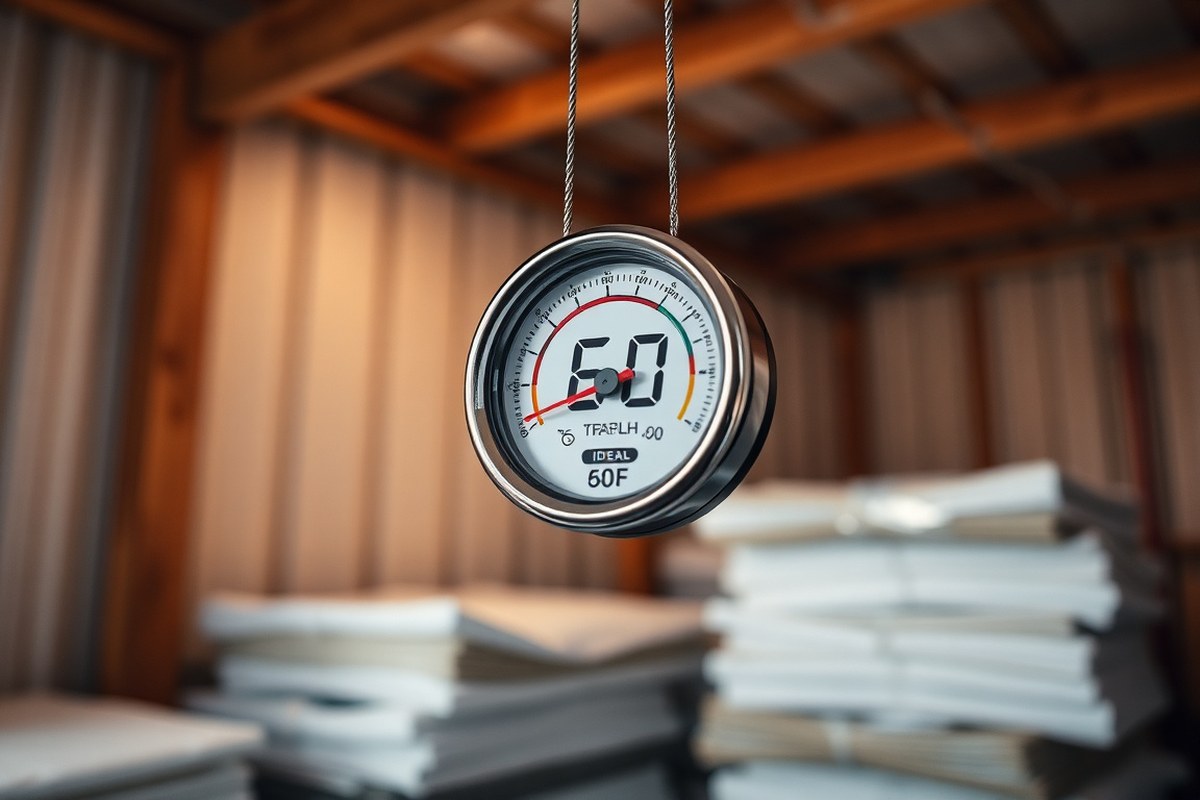
Keeping your banners in a consistent setting near 60°F (15.5°C) with 60% humidity helps protect them from damage. This “60/60” standard stops wear caused by temperature and moisture extremes. Large swings in heat or moisture can make vinyl banners stiff and brittle as additives degrade. Fabric banners face mold and mildew if humidity or temperature varies too much, harming the fabric and fading colors.
High humidity above 60% introduces moisture that promotes mildew and mold, especially if banners are stored rolled tightly or in non-breathable materials. This moisture also accelerates adhesive failure and ink fading. To avoid these risks, store banners in climate-controlled indoor spaces where humidity can be monitored with affordable hygrometers, often under $20. Use dehumidifiers or air conditioners to reduce excess moisture when needed.
Fluctuating temperature harms banners more than a steady temperature outside the ideal range. For example, a consistent 70°F storage may preserve a banner for years, while cycling between 50°F and 90°F shortens its usable life. These shifts cause expansion and contraction of materials, which strains vinyl and fabric fibers. To maintain steady conditions, avoid storage in garages, attics, or near heating and cooling vents.
Following the 60/60 rule involves investing in simple climate control equipment and monitoring tools. A basic digital thermometer-hygrometer combo costs between $15 and $40 online and helps you track conditions every time you check on your stored banners. For churches or event venues storing multiple large banners, consider upgrading to PVC tubes rather than cardboard for rolling and storing banners, as these resist moisture better and complement controlled humidity levels.
Mold and mildew also thrive in dark, damp, and poorly ventilated storage locations. Make sure the storage area is not just temperature- and humidity-controlled but also clean and dry, with air circulation to reduce stale air pockets. Keep banners away from direct sunlight, which even in storage can deteriorate inks and fabric dyes. Use breathable covers or containers for fabric banners to prevent trapping moisture inside.
Monitor both temperature and humidity regularly, aiming for a steady 60°F and 60% RH, because swings in either can cause permanent material damage to your banners.
3. Cleaning and Drying Banners Before Storing
Proper cleaning and thorough drying are essential before storing banners to prevent damage such as discoloration, mold, or material deterioration. Different materials like vinyl and fabric require tailored cleaning methods to keep banners looking their best and extend their lifespan. Make sure banners are completely dry before rolling or folding to avoid mildew and other moisture-related problems.
Cleaning Tips for Vinyl Banners
Vinyl banners are durable and can handle a mild soap and water cleaning solution without damage. Use warm water mixed with a few drops of gentle dish soap to create the solution. Avoid harsh chemicals or abrasive scrubbing tools that can scratch or remove printed ink. Here’s how to clean your vinyl banner effectively:
- Lay the banner flat or hang it to access both sides.
- Apply the mild soap solution with a soft cloth or sponge, wiping gently.
- Rinse thoroughly with clean water to remove soap residues.
- Avoid using high-pressure water, which can damage the material or graphics.
- Spot test any cleaner on a small, inconspicuous area before full application.
Cleaning vinyl banners in this way helps prevent the buildup of dirt and debris that can cause tears or holes over time. Always handle the banner carefully to avoid creasing or folding while it’s damp.
Fabric and Canvas Banner Care
Fabric and canvas banners need gentler care due to their material sensitivity. Specialized fabric cleaners or mild detergents designed for textiles reduce the risk of discoloring or shrinking the material. Avoid soaking fabric banners excessively, as this can weaken fibers and affect attached graphics. To clean a fabric banner:
- Use a soft brush or cloth with a gentle cleaning agent suited for delicate fabrics.
- Spot clean areas rather than submerging the entire banner.
- Rinse any detergent residue with a slightly damp cloth, avoiding saturation.
- Dry the banner in a shaded, well-ventilated area to maintain colour and fabric integrity.
Storing fabric banners after careful cleaning preserves their appearance and prevents the fibers from becoming brittle or faded.
Avoiding Mold and Mildew During Drying
Drying banners thoroughly before storage is critical to prevent mold and mildew growth. Even a small amount of moisture trapped in folds or creases can cause stains and weaken banner materials over time. For best results, dry banners flat or hung in a well-ventilated, temperature-controlled space. Follow these drying tips to protect your banners:
- Allow at least 24 to 48 hours of drying time in a dry environment.
- Keep banners away from direct heat sources, which can warp or damage materials.
- Use drying racks or hangers to air out all surfaces evenly.
- Avoid folding or rolling banners until completely dry to prevent trapping moisture.
- Check banners for any damp spots before sealing them in storage containers.
Drying banners properly reduces the likelihood of storage damage, keeping your banners clean, vibrant, and ready for future use.
4. Choosing Protective Materials and Storage Containers
Protecting your banners from damage and environmental effects starts with choosing materials and containers tailored to the specific banner type. Vinyl banners, fabric banners, and mesh banners all require distinct methods to prevent creases, fading, moisture damage, or wear from improper handling.
Vinyl banners benefit most from rigid protection like PVC tubes. These tubes keep the banner rolled tightly but evenly, avoiding sharp creases that can cause cracking over time. Using waterproof materials such as vinyl itself means you can also consider sturdy tote bags or pouches for additional dust and abrasion protection without worrying about water damage.
Fabric banners, being more delicate and prone to creasing and moisture absorption, require softer protective layers like acid-free tissue paper or clean, soft cloths wrapped around when rolled or folded. Breathable fabric storage bags or large plastic bins with ventilation holes help avoid mildew or yellowing caused by trapped moisture. Avoid hard containers that might compress the fabric unevenly.
Mesh banners, due to their permeability and structure, need support to maintain shape without compression. Rolling these banners onto wider diameter tubes helps distribute tension evenly. Light plastic sleeves or loosely fitting bags prevent dust buildup without restricting airflow.
| Banner Type | Protective Covering | Storage Container | Why It Matters |
|---|---|---|---|
| Vinyl | PVC tubes, waterproof tote bags, vinyl pouches | Rigid tubes, waterproof bags | Prevents creases and cracking; resists moisture and dust |
| Fabric | Acid-free tissue paper, soft cloth wrapping | Breathable fabric bags, plastic bins with vents | Protects against creases, mildew, and yellowing |
| Mesh | Wide-diameter rolling tubes, light plastic sleeves | Loose bags or bins allowing airflow | Maintains shape without compression; prevents dust |
Select storage materials based on the banner’s size and type by matching the container’s durability and ventilation to the banner’s needs. Large vinyl banners can be rolled onto several PVC tubes to avoid heavy creasing, while narrow fabric banners may suit breathable bags that allow air circulation. For mesh banners, avoid tight folding and instead opt for tubes that spread tension properly.
Using inappropriate protective coverings or containers can cause issues like cracks in vinyl, mildew on fabric, or misshapen mesh banners. Investing in the right storage materials often costs between $10 to $50 per item, depending on size, but this cost prevents damage that could lead to replacement expenses many times that amount. Well-stored banners will maintain their vivid print and flexible material across multiple event uses.
5. Ideal Storage Locations and Organization Tips
Choose a storage location that stays consistently cool and dry, ideally between 50°F and 70°F, to prevent material warping and mold growth. Avoid attics, garages, or basements prone to temperature swings and humidity spikes. A closet or dedicated storage room inside your home or office with limited sunlight exposure works well. If climate control is not available in these spaces, consider renting a climate-controlled storage unit designed for sensitive materials like banners.
Position banners vertically when storing rolled banners on a rack or hanging system to reduce pressure and creasing. For flat, folded banners, store them horizontally on smooth, flat shelves with enough clearance to avoid bending. Always ensure banners are clean and dry before storing to protect against damage from dirt, moisture, and pests.
Organizing banners efficiently will save time and reduce handling damage. Create a clear system for categorizing banners by event, size, or client, depending on your needs. Label each with waterproof tags or use color-coded bands around the rolled or folded storage. Maintain an inventory list, either written or in a digital file, that references each banner’s location.
- Select a spot with stable temperature and humidity, away from direct sunlight and extreme weather.
- Use vertical storage racks for rolled banners wider than 5 feet to keep tension even.
- Label each banner clearly, using durable tags or bands that resist tearing and fading.
- Keep an updated inventory log accessible to all team members handling banners.
- Store banners away from food areas or places prone to pests like rodents or insects.
- Use protective covers or sleeves to prevent dust accumulation and accidental scratches.
Sunlight exposure leads to fading and material breakdown, so never store banners in rooms with direct windows or glass doors without UV protection.
Using dark storage locations protects banners from harmful UV rays that accelerate fading and weakening of vinyl or fabric. Ensure storage areas have minimal sunlight by using blackout curtains or storing banners inside opaque containers. Avoid locations where temperatures exceed 80°F or drop below 40°F for extended periods, as thermal stress shortens banner life. Organized, accessible storage with proper environmental control reduces handling damage and extends the usability of your banners.
6. Inspection and Maintenance Practices for Stored Banners
Inspect banners in storage at least once a month to catch damage early and maintain their quality. Look for creases, cracks in ink, dirt build-up, and any signs of adhesive failure or tears. During each check, perform minor repairs and re-roll the banner in the opposite direction from its last storage to prevent permanent creases and material stress.
Detecting Creases and Ink Cracking Early
Regularly spotting creases and ink cracking helps prevent permanent damage to your banners. Check the surface under bright, even light to see if any spiral creases are forming from extended rolling in one direction. Creases often start as slight bends and worsen over time, causing hard-to-remove wrinkles. Look for fine cracks in the printed ink, especially along folds or bends, as these can lead to flaking and fading.
Focus on areas near edges and corners, which are more vulnerable to stress. A visual monthly checklist should include: checking for uneven curling, sticky or warped surfaces, and any unusual discoloration. Catching these early allows you to take action before the banner’s appearance or structural integrity is compromised.
Basic Cleaning and Patching Repairs
Light cleaning before repair can improve adhesion and appearance. Use a soft cloth with mild soap and water to remove dirt without harsh chemicals that can damage vinyl or fabric. Ensure the banner is dry before patching or applying any adhesives. For vinyl banners, use adhesive patches designed specifically for vinyl to maintain flexibility and strong bonding. A simple monthly maintenance kit should include:
- Vinyl-compatible adhesive patches
- A pair of sharp scissors for trimming damaged edges
- A heat-sealing tool for smooth repairs (optional)
- A soft cloth and mild cleaner
- Gloves to avoid oils transferring to the banner
Small tears or lifted edges benefit from these repairs, preventing further damage. Avoid applying excessive heat or forced air tools, which can cause uneven warping or ink problems. Stick to gentle cleaning and precise application to keep banners in good condition longer.
Re-Rolling Techniques to Redistribute Wear
To prevent permanent creases or ink transfers, re-roll banners in the opposite direction every three months at minimum. Rolling with the printed side facing outward is best for vinyl banners with glossy finishes as it reduces ink sticking and keeps the surface smooth. Always roll the banner evenly around a core to avoid pressure points that can cause spiral creases.
Before re-rolling, lay the banner flat in a clean, dry space to smooth any existing folds. Then, slowly roll the banner back onto the core, maintaining light tension without forcing it. This approach redistributes wear across the material and prevents holding one form for too long, which leads to memory creases or sticky ink patches.
Consistent monthly inspection and re-rolling cost no more than a few minutes each time but significantly extend your banner’s life and appearance. A simple routine like this protects your investment and ensures banners are ready for display when needed.
7. Handling Special Cases: Large, Double-Sided, and Digital Banners
Special banner types require tailored storage methods to maintain their condition and usability. Oversized banners need careful handling to avoid creases and tears, double-sided banners must be rolled to protect both print surfaces, and digital prints call for precautions that preserve color accuracy and adhesion. Each type benefits from specific steps that reduce damage risk during storage.
Managing Large-Format Banner Storage
Very large banners should be rolled rather than folded to prevent creases and permanent deformation. Use a core with at least a 4-inch diameter as the standard to roll the banner evenly without tight bends. Placing the banner print-side in or print-side out depends on the material; for banners with a matte finish or in dry climates, rolling print-side in protects the printed surface from abrasion.
If the banner is used outdoors frequently but has faded graphics, consider repurposing it as a tarp or equipment cover. This protects your investment by extending the banner’s functional life without further damage.
- Use a rigid core at least 4 inches in diameter to roll the banner.
- Clean and dry the banner fully before rolling to avoid mold or mildew.
- Roll slowly and evenly to avoid stress points and cracking.
- Store rolled banners upright or horizontally on smooth, flat surfaces.
- Cover the rolled banner with a breathable fabric or plastic sleeve to shield from dust and light.
- Keep the storage area free of sharp objects to prevent punctures or tears.
Proper storage of large banners helps maintain their structural integrity and reduces replacement costs. Avoid tight folds that lead to permanent creases and check rolled banners periodically for any signs of damage, especially if stored for long periods.
Rolling Double-Sided Banners Correctly
Double-sided banners require special attention when rolling because both faces have printed graphics. Rolling the banner so that one printed side is outside exposes it to abrasion, while rolling it with the print sides inward risks sticking or ink transfer if not handled properly. The choice depends on the banner’s finish and usage frequency.
For short-term storage, roll with the prints outward if the banner surface has a protective laminate. For longer storage, rolling print-side in with a interleaving protective layer like a thin tissue or silicone-coated paper can prevent sticking between the two printed sides.
Using retractable banner stands can eliminate rolling stress altogether for event organizers who store double-sided banners frequently. Retractable cassettes protect the banner inside a sealed housing and reduce frequent rolling damage.
Protecting Digital Printed Graphics
Digitally printed banners frequently use UV-cured inks, which resist humidity-related delamination better than solvent-based inks. Still, the inks and substrates require care during storage to retain sharpness and vibrancy. Avoid folding and store rolled with print-side in on a clean surface to reduce abrasion risk.
UV protective coatings help maintain color and prevent fading during long-term storage, so banners with this coating can tolerate indirect sunlight exposure briefly. Store these banners in a cool, dark, and dry place to keep the ink film intact and prevent peeling or cracking. Here are key handling tips to help maintain digital prints:
- Store in a climate-controlled space with stable temperatures between 65°F and 75°F.
- Keep humidity levels moderate, ideally 40% to 50%, to prevent moisture damage.
- Always clean the surface gently before rolling, avoiding harsh chemicals.
- Use protective sleeves or tubes to shield the prints from dust and light.
- Limit exposure to direct sunlight even when stored temporarily to prevent pigment fading.
8. Adapting Storage When Climate Control Isn’t Available
Storing banners without climate control requires careful adjustments to reduce damage risks like mold growth and color fading. High humidity above 70% relative humidity (RH) significantly increases mold risk inside rolled banners. Ventilation and dehumidifying are key tactics when ideal conditions are not possible. Placing banners in spaces with air flow, such as near vents or using fans, helps control moisture buildup. Small, portable dehumidifiers can also maintain RH below 70%, especially in basements or garages where humidity spikes.
Choosing banner materials resistant to moisture and UV damage can make a difference. Vinyl banners, while durable, still degrade visibly in a few years under outdoor conditions. For non-climate-controlled storage, consider fabric or mesh banners that breathe better, reducing condensation risk. Avoid tightly sealing rolls in plastic sleeves if humidity stays high; instead, use breathable storage bags or wax paper as a liner. This prevents trapped moisture from triggering mold while protecting against dust and dirt.
Temporary measures also help when long-term improvements aren’t an option. Using moisture absorbers like silica gel packs inside storage containers can reduce water vapor. Rotate stored banners periodically to check for damp spots or discoloration. Sunlight exposure during storage causes fading, so keep banners out of direct light even in unconditioned spaces. Dark, dry, and ventilated areas remain the best compromise outside a climate-controlled room.
- Use portable dehumidifiers in closed spaces to keep humidity below 70% RH.
- Store banners loosely rolled with breathable liners to avoid moisture trapping.
- Position storage near vents or fans for better air circulation.
- Choose mesh or fabric banners for higher humidity environments.
- Include silica gel packs or other desiccants in storage containers.
- Check banners every 3 to 6 months for early signs of mold or damage.
- Keep banners out of direct sunlight and fluorescent lighting during storage.
When deciding what to prioritize, focus on moisture control first, since moisture damage can be harder to reverse than light fading. If a small budget limits options, investing in a reliable dehumidifier gives more benefits than expensive airtight containers that trap dampness. Regular inspection lets you spot problems early and adjust your methods. Ministry environments often face similar storage challenges, and Church-specific storage solutions, like those from PraiseBanners™, show better results in protecting fabric and vinyl banners over multiple use seasons.
Do not seal rolled banners in plastic if humidity exceeds 70% RH, as trapped moisture will accelerate mold growth.
Your Step-by-Step Banner Storage Action Plan
Follow these practical steps to store your banners properly and keep them ready for your next event or campaign.
- Before storing: Clean and dry your banner thoroughly to prevent mold and damage; check that no moisture remains by feeling for damp spots or a musty smell.
- Day 1: Roll your banner carefully around a protective core to avoid creases; verify it rolls evenly without tight folds or wrinkles.
- Within the first week: Place the rolled banner inside a protective sleeve or tube made from acid-free material; ensure the banner fits snugly and is fully covered.
- Week 2: Store the banner in a temperature- and humidity-controlled area away from direct sunlight; monitor the room to keep it within recommended ranges (60, 75°F and 40, 60% humidity).
- After 1 month: Inspect your stored banners for signs of damage such as discoloration, mold, or pest issues; address any problems found immediately.
- Every 6 months: Unroll and air out the banners briefly while checking for wear or tears; re-roll with fresh protective material if needed.
- Ongoing: Keep your storage area organized and label each banner container for easy retrieval and to prevent unnecessary handling.
Frequently Asked Questions
Can I Fold My Banner for Storage?
Folding banners causes cracks and permanent stress on the vinyl and ink, so always roll them instead to maintain quality. Rolling around a tube helps keep the banner flat and crease-free for long-term use.
What Size Tube Should I Use to Roll a Banner?
Use a rigid tube at least 3 inches in diameter, or 4 inches for large banners, to prevent sharp bends. This size supports even rolling and reduces stress on banner materials.
How Often Should I Inspect Stored Banners?
Inspect banners monthly and re-roll them in the opposite direction to avoid permanent curl and stress on the materials. Regular checks help catch early damage and preserve banner life.
Can I Store Banners Hanging Vertically?
Yes, hanging banners can prevent creases if done with a proper rack like the Banner Storage System, which offers easy access and avoids rolling or folding damage.
What Temperature and Humidity Are Best for Banner Storage?
Aim for about 60°F and 60% relative humidity to prevent plasticizer migration and mold. Stable environmental conditions extend the banner’s appearance and durability.
Is It Necessary to Clean Banners Before Storage?
Yes, clean and fully dry banners before storing to avoid stains and mold growth, which degrade the fabric and inks over time. Proper prep keeps them ready for next use.
Final Thoughts
Storing your banners with the right method and environment prolongs their life and keeps them vibrant for future use. Start by cleaning and rolling your banners carefully, then pick a cool, dry place for storage. Set a calendar reminder to inspect and maintain them regularly to avoid surprises before your big event.