How Much Does a Custom Sign Cost? A Complete Pricing Guide with Examples
Pricing for custom signs varies widely, starting around $20 per square foot for simple indoor foam board options and reaching beyond $10,000 for large, illuminated signs on storefronts. Small LED signs for businesses often cost between $500 and $2,000. More elaborate setups that require lighting and permits can exceed $15,000. Begin by determining the size, material, and lighting features you want to narrow down your budget.
Key Takeaways
- Basic foam board signs cost $20 to $50 per square foot, ideal for low-budget indoor displays.
- Small LED neon-style signs usually range from $250 to $750, suitable for eye-catching accents.
- Storefront aluminum panel signs with vinyl lettering typically cost between $500 and $2,500.
- Installation options like standoffs, pole mounts, or wind-load engineering add $50 to $300 to the price.
- Fully illuminated channel letter storefront signs start around $3,000 and can exceed $5,000.
- Permitting, electrical work, and engineered mounting can add significant costs on top of sign fabrication.
Typical Cost Range for Custom Signs In 2026
Custom signs vary widely in price depending on size, materials, and lighting choices. Small indoor signs, such as simple foam board or acrylic panels for your office or storefront interior, typically cost between $20 and $50 per square foot. For example, a 2-foot by 3-foot foam board sign might cost $120 to $300, making it a realistic budget for small-scale branding or directional signage inside your business.
Medium-sized signs, including custom LED neon signs or dimensional letters for lobby branding, often range from $250 up to about $2,000. A small LED neon-style sign for your retail window typically falls within the $250 to $750 range, especially if it uses a single color and straightforward design. If you want a larger custom LED sign featuring your business name or logo with multiple colors and more intricate mounting, expect the price to climb toward $1,000 to $2,000 or more for a mid-sized installation.
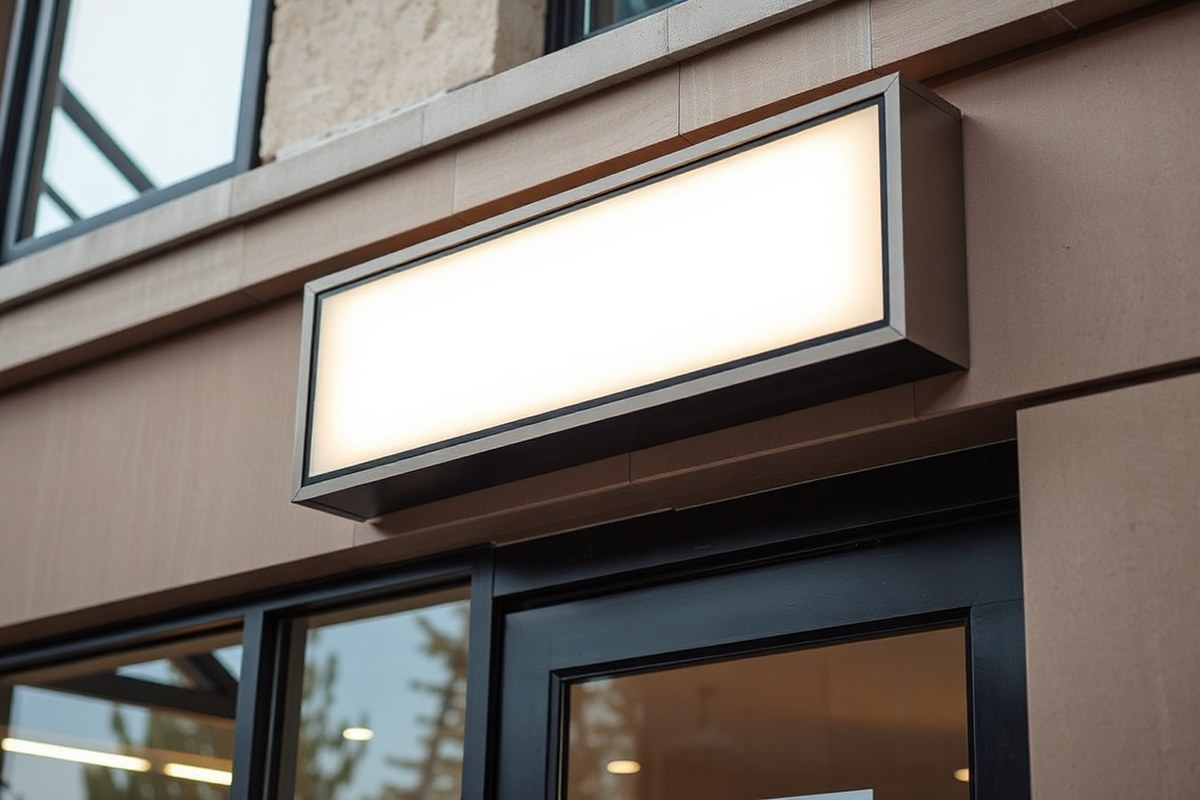
Large outdoor signs, especially illuminated storefront sets, start around $500 for basic dimensional letters without lighting and can exceed $5,000 for fully illuminated channel letter signs with wiring, custom fabrication, and permits. Many exterior storefront signs fall between $3,000 and $20,000 due to greater complexity, durable materials like aluminum or acrylic, and electrical elements. The increase in cost mainly comes from the size and lighting system complexity needed to attract customers effectively at night.
Lighting adds a notable cost layer. Non-illuminated signs cost less but do not stand out after dark, which may reduce their marketing benefit. LED neon signs cost between $200 and over $2,000, depending on size and color complexity. Real glass neon signs typically demand higher custom quotes due to craftsmanship and materials. Choosing an illuminated sign raises your upfront budget but can extend the useful hours of your display, improving overall value especially for retail, restaurant, or bar signage.
Planning your budget should consider these ranges relative to your business goals. A small $300 indoor sign can be sufficient for basic branding inside your location. Mid-range $1,000 to $2,000 signs work well for medium-size logos or key exterior accents. Large, fully illuminated storefront displays that can cost $5,000 or more often serve as major investment pieces designed to maximize visibility and customer attraction. Match your choice to the sign’s purpose and expected lifespan to avoid overspending on effects or materials you do not need.
Main Factors That Influence Custom Sign Prices
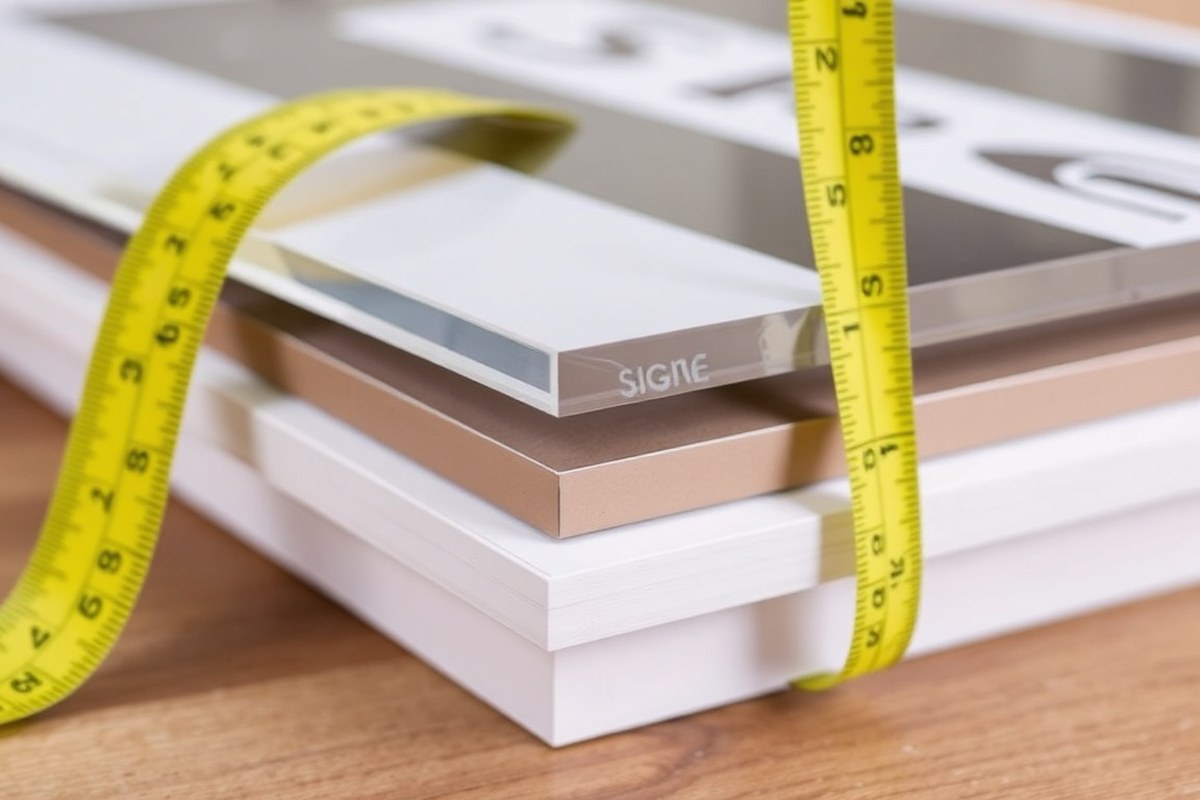
The cost of a custom sign mostly depends on four key factors: size, material, illumination, and installation. Each influences your budget differently because of the materials and labor involved. Understanding how these elements affect costs helps you plan more accurately and pick options that suit your marketing goals and budget.
Size and Its Impact on Material and Labor
Size is a primary driver of custom sign pricing since it directly affects how much material you’ll need and the labor to fabricate and install the sign. Larger signs demand more raw materials, longer fabrication time, and often require more complex installation equipment like lifts or cranes, all of which add to the cost.
For example, a simple 2-foot by 3-foot outdoor vinyl sign might cost a few hundred dollars, while scaling up to 6 feet by 12 feet could easily push the price into the thousands because of the need for sturdier materials and bigger mounting hardware. Installation costs for larger signs are generally higher, too, since they might need more workers or special permits.
Good results mean choosing a size that balances visibility with budget limits. Oversized signs not only cost more but can present permitting challenges or structural difficulties. Undersized signs might save money upfront but compromise your marketing impact.
Material Choices and Their Influence on Durability and Appearance
The type of material you pick for your custom sign influences both price and long-term value. Common materials for business signs include vinyl, acrylic, aluminum, wood, and LED elements. Each material has a different base cost, maintenance requirement, and weather resistance.
Using a sign price calculator, you can test how selecting aluminum versus wood affects your total cost. For instance, aluminum offers moderate pricing with durability and lower maintenance, while wood tends to cost more due to finishing needs and potential upkeep. Vinyl graphics generally fall at the lower end of the price range but may not be suitable for long-term outdoor use.
Consider your business location and use when choosing materials. A high-traffic storefront exposed to harsh weather might justify investing more in resilient metals or acrylic, whereas indoor or temporary signs can prioritize cost savings with vinyl or laminated paper.
Illumination Effects on Cost and Visibility
Adding lighting to a sign significantly raises its price due to components like LEDs, wiring, power supply, and sometimes electrical permits. Illuminated signs improve visibility during evening hours and bad weather, increasing your brand’s presence beyond daylight hours.
Options range from basic backlit acrylic panels to complex LED channel letter signs, which require custom fabrication and electrical work. The more complex the lighting design, the higher the cost, for example, LED channel letters typically fall between $3,000 and $20,000, depending on size and features. Non-lit signs, in comparison, can be several hundred dollars cheaper. Installation complexity also climbs with illuminated signs because electricians often need to confirm access to power and comply with local electrical codes, sometimes adding unexpected fees.
Installation Variables Affecting Final Expenses
Installation costs depend on how and where the sign must be mounted. Wall vs. Ground installations require different preparation and equipment. Signs installed high on buildings need lifts, which add labor and rental costs. Working around limited site access or traffic constraints also raises expenses.
Typical installation labor costs can range from $150 to $600 or more per sign. Additional factors include the mounting surface, drywall, brick, or metal affects labor time, and whether special permits or engineered mounting hardware are necessary. Some quotes exclude installation, so confirm this upfront to avoid surprises.
Planning a site survey early helps identify potential installation challenges in advance. Accurate measurements and visual inspections prevent costly delays or revisions.
Use a sign price calculator early in the process to experiment with size, materials, and illumination choices before finalizing your design and budget.
Comparison of Sign Materials and Their Costs
Choosing the right material significantly affects both the cost and durability of your custom sign. Some materials are affordable but less durable, making them better suited for short-term indoor use. Others come with a higher upfront cost but offer long-lasting performance outdoors. Matching your choice to the sign’s location and expected lifespan helps avoid extra expenses on maintenance or replacement. Here’s a comparison table of popular custom sign materials showing their average costs, durability, and best applications:
| Material | Average Cost (per sq ft) | Durability | Aesthetic Appeal | Best For |
|---|---|---|---|---|
| Foam Board | $20, $50 | Low (indoor use only) | Simple, budget-friendly | Short-term indoor signs |
| Wood | $20, $600 | High (with proper care) | Rustic, timeless | Indoor/outdoor decor |
| Acrylic | $50, $300 | Moderate | Modern, sleek | Retail displays, indoor |
| Metal (aluminum, steel) | $100, $600 | Very high | Industrial, elegant | High-traffic outdoor areas |
| Vinyl | $5, $50 | Low (fades easily outdoors) | Colorful, versatile | Short-term promotions, indoor |
Foam board and vinyl signs are your most budget-friendly options but come with limited durability, especially outdoors where UV exposure can quickly fade colors. They work best inside stores or for temporary events. Wood can last outdoors for 8 to 12 years if sealed and maintained properly, making it an excellent choice for decorative signs that balance cost and durability. Acrylic offers a modern look but generally suits indoor retail use better since it holds up moderately outdoors.
Metal signs, especially aluminum, have the highest upfront costs but deliver the longest life, typically around 10 years or more outdoors with minimal maintenance. This results in a cost per year near $50, the lowest of any material for permanent outdoor signage. Choosing metal also yields better resistance to weather and vandalism and keeps your sign looking sharp in high-traffic or urban areas.
Maintenance is another factor shaped by material choice. Signs made of metal or wood require periodic cleaning and sealing or repainting to extend life and maintain appearance. Maintenance can cost between $100 and $500 depending on size and location. In contrast, vinyl or foam signs often get replaced instead of maintained due to shorter lifespans. To get the best value, match the material not just to your budget but the expected exposure, desired style, and how long you need the sign to last.
Pricing Differences by Custom Sign Type
Custom sign pricing varies widely by type, reflecting differences in design complexity, materials, installation, and durability. Channel letters and illuminated signs generally cost between $2,000 and $8,000, fitting most storefront needs with durable, eye-catching results. Monument and pylon signs carry higher upfront and installation costs, often ranging from $10,000 to over $30,000 due to concrete foundations and electrical work. Banners and vehicle wraps offer cost-effective promotional options, with wide design flexibility and shorter production times.
Channel Letter and Illuminated Signs Pricing
Channel letters are three-dimensional, illuminated letters typically mounted on storefront facades. Their cost depends on letter size, lighting type, and installation complexity. Expect prices around $2,000 to $8,000 for a typical set of illuminated letters. The design process requires precise artwork and fabrication to ensure cohesive lighting and professional appearance. Installation includes electrical wiring and secure mounting, often requiring permits and coordination with building management.
Illuminated signs, including LED neon-style options, add cost due to electrical components but provide superior night visibility. LED neon-style signs usually cost less than traditional glass neon because the flexible LED systems are easier to produce and install, with less fragility. This makes LED neon signs a popular choice for businesses seeking the neon look without high maintenance challenges.
Monument and Pylon Sign Cost Overview
Monument signs are freestanding with a heavy base, often made from stone or concrete. Installation involves groundwork like concrete footings and sometimes landscaping, raising total costs to $10,000, $30,000 or more. Pylon signs, larger with steel structures and digital displays, can surpass $50,000 once all costs are included. These signs require engineering, permits, and professional installation crews, adding to the timeline and budget.
The primary value of monument and pylon signs lies in their high visibility and durability. They work well for businesses needing strong street presence or multiple tenants. Due to their complexity and cost, they are best suited for established businesses with budgets supporting long-term signage investment.
Temporary and Promotional Signs Pricing
Banners and vehicle wraps offer flexible, lower-cost options for short-term or mobile advertising. Printed vinyl banners typically fall in the $2,000 range or less depending on size and printing complexity. Vehicle wraps usually run between 45% and 58% gross margin for sign shops, reflecting moderate production costs with significant visual impact.
Vehicle wraps require professional design to match vehicle contours, plus careful surface preparation and installation, typically handled by specialists. Banners need less installation effort but may degrade faster outdoors, making them ideal for events or promotional campaigns rather than permanent use.
| Product Category | Typical Price Range | Gross Margin Range |
|---|---|---|
| Channel Letters (fabricated) | $2,000, $8,000 | 40, 55% |
| Monument Signs | $10,000, $30,000+ | 38, 52% |
| Banners (Wide-format print) | Under $2,000 | 45, 60% |
| Vehicle Wraps | Varies by vehicle size | 45, 58% |
| LED Neon-style Signs | Varies, generally lower than traditional neon | N/A |
Reviewing gross margin percentages helps you understand pricing flexibility offered by sign vendors. Channel letters and monument signs have lower margins but higher production complexity. Banners and wraps allow for more markup but often suit short-term marketing goals. Your choice depends on balancing initial investment, installation complexity, and desired sign longevity.
How Installation and Permitting Affect Your Budget
Professional installation of a custom sign typically costs between $100 and $600 per sign, depending on size, location, and complexity. Permitting fees vary widely by municipality but usually range from $25 to $500. Both installation and permitting can add $500 to $2,000 or more to your total budget, so factoring these into your planning is essential to avoid unexpected expenses.
Installation Labor and Equipment Costs
Labor costs for installing a custom sign depend on several factors, including the type of sign, ground conditions, height, and installation method. Simple installations on flat ground may take about two hours, costing closer to $100 to $260. More complex jobs requiring excavation, anchoring, or working at height can push labor costs up to $600 or more.
Equipment requirements also impact the price. Scaffolding, lifts, or cranes may be necessary for tall signs or difficult-to-access locations. Renting and operating these tools adds to labor expenses and often requires specialized operators, which can increase costs significantly. The installation team will estimate these needs during the quote process.
Permitting Fees and Requirements
Permits are usually required for outdoor signs, especially those mounted on buildings or in public spaces. Municipalities charge permit fees based on factors such as sign size, illumination, and location. Fees range from as low as $25 for minor projects to $500 or more for large or complex installations.
The permitting process may involve submitting detailed plans for design approval and, in some cases, on-site inspections. Some cities have expedited services but often at an additional cost. Without proper permits, you risk fines or having to remove the sign, which will increase overall project costs and delays.
Unexpected Installation Fees to Watch For
Beyond labor and permits, several less obvious fees can impact your installation budget. Shipping costs vary by sign size and weight, typically $15 to $150. Mounting hardware, such as brackets or posts, may range from $10 to $250. Electrical work for illuminated signs involves wiring, power connections, and possibly hiring a licensed electrician, which can raise costs substantially.
Site conditions can also create unexpected costs if excavation is difficult due to rocky soil or if special permits are required for working near public utilities or streets. Rush installation fees or last-minute changes usually add a 25% to 50% surcharge.
- Installation labor: $100 to $600, depending on complexity
- Permitting fees: $25 to $500 based on municipality and sign type
- Equipment rental (lift, crane) adds to labor costs
- Mounting hardware typically costs between $10 and $250
- Shipping fees generally range from $15 to $150
- Electrical installation may require licensed professionals
- Site access and soil conditions can increase labor time and expenses
Check with your local city or county planning department early in the process to understand specific permit requirements and avoid costly delays.
How to Get Accurate Installation and Permit Quotes
Request a detailed, written quote that breaks down labor, equipment, permit fees, and any additional charges. A professional installer should include these components as separate line items:
- Design proofing and site layout
- Materials and mounting hardware
- Permits and administrative fees
- Installation labor and equipment rentals
- Electrical scope and licensed work
- Old sign removal, if applicable
Clear communication with your installer and local permitting office helps ensure your total cost estimate is accurate. This prevents surprises that inflate your budget during or after installation.
Variation Factors That Impact Costs
Sign type and location heavily influence costs. Smaller signs attached to storefront walls generally cost less to install than large freestanding or pylon signs needing deep concrete footings. Illumination adds electrical work and permits, further raising expenses.
When installing signs in busy commercial areas, coordinating with landlords or complying with restrictive homeowner association rules may add to permit complexity and installation time. Urban projects can require more permits and insurance, increasing budget considerations compared to rural settings.
Illumination and Lighting: What’s the Real Price Impact?
Adding illumination to a custom sign typically raises its cost by several hundred to a few thousand dollars compared to a non-illuminated sign. The pricing depends largely on the type of lighting chosen. Basic LED lighting usually costs between $200 and $1,000 extra, serving as an energy-efficient and low-maintenance choice for bright visibility. Traditional glass neon signs tend to be pricier, often starting close to $1,000 and reaching upwards of $2,000 due to handcrafted glass tubing and specialized wiring.
LED neon-style signs offer a middle ground by mimicking the aesthetic of glass neon but with improved durability and lower energy consumption. These usually range from $200 to over $2,000 depending on size, complexity, and color options. Backlighting is another option, where LED lights shine from behind the sign, creating a halo effect that improve readability. Backlit signs generally cost more than basic LED front-lit signs because of the additional light mounting and diffusing materials required.
Ongoing costs include electricity and maintenance. LED lighting consumes significantly less power, around 75 to 80% less than traditional neon, which can reduce your monthly energy bills by about $10 to $20 for a medium-sized storefront sign running 10 to 12 hours daily. Neon signs, while visually striking, use considerably more electricity due to the constant gas discharge inside the tubes and can lead to higher utility expenses over time. Regular maintenance for neon signs includes periodic glass tube replacement and checking for gas leaks, which can add several hundred dollars every few years. LEDs generally need far less upkeep, but occasional fixture repair or replacement might be necessary after 5 to 10 years.
Installation costs are higher for illuminated signs since electrical hookups, transformers, and potentially permits are involved. You should ensure your installer is licensed and compliant with local electrical codes to avoid safety risks or costly fines. Providing details such as intended sign location, dimensions, and power supply access in your quote request helps get precise pricing. Larger, more complex signs and those with custom neon designs usually require longer lead times and more skilled labor, which further increases costs.
Hidden Costs: What to Watch for Beyond the Sign Price
Ordering a custom sign often involves costs beyond the visible price tag. Unexpected fees can significantly increase your budget, so it’s important to watch for them early. Common hidden expenses include electrical work for illuminated signs, foundation or mounting modifications, design revisions, and ongoing maintenance contracts. Ignoring these can derail your project timeline and inflate costs.
Electrical upgrades are a frequent surprise, especially if your location needs new wiring or circuits to power LED or neon signs. For example, electrical work alone can add around $1,500 to your bill. Confirm with your installer whether the quote includes this or if an electrician will be a separate expense. Similarly, mounting a sign might require a new foundation or structural reinforcement, which contractors often charge extra for.
Design fees can multiply if your sign requires several changes. Some companies allow one or two revisions free, but additional adjustments typically cost $100 to $300 each. To avoid this, provide detailed design files and clear instructions upfront. Ask your sign vendor to specify how many design rounds the price covers and what triggers additional charges.
- Electrical upgrades for lighting and power supply
- Site preparation like foundations or wall reinforcement
- Extra design revisions beyond initial rounds
- Removal and disposal of existing signage
- Permit applications or resubmissions
- After-hours or accelerated installation fees
- Ongoing maintenance contracts for cleaning, repairs, or bulb replacements
Existing sign removal and disposal may not be covered but can add hundreds to thousands of dollars, depending on the size and materials. Permits often involve a fee and sometimes require re-submission if inspections find issues, adding delays and costs. Confirm what is included in your permit handling package.
Maintenance contracts are another ongoing cost to consider. Outdoor signs, especially illuminated ones, require periodic cleaning, bulb or LED replacements, and repairs from weather damage. These contracts vary widely, but budgeting 10% to 20% of your original sign cost per year for upkeep is a good starting point. Discuss maintenance options sooner rather than later so you can plan your operating budget accordingly.
To identify and avoid unexpected costs, ask your sign company for a detailed written quote breaking down all elements, including permits, design rounds, electrical work, and installation conditions. Confirm which services are optional or excluded and request recommendations for licensed electricians and contractors. Document every change and approval to prevent surprise invoices. Being proactive about these areas helps control expenses and ensures you get exactly what you expect from your custom business sign.
How to Get Accurate and Detailed Sign Quotes
Getting an accurate and detailed quote for a custom sign starts with providing clear and specific information to the sign company. Knowing exactly what you want and understanding the components in a quote lets you compare offers confidently and avoid surprises. The steps below will help you gather the right details and ask smart questions so you can see exactly what you’re paying for and why.
- Describe your sign specifications clearly: Provide the sign’s size, material preferences (like aluminum or acrylic), design complexity, and color details. Mention if you want illumination. For example, say “a 5’ x 3’ illuminated acrylic sign with a multi-color logo.”
- Request separate pricing for design, production, and installation: Installation often adds 10% to 30% to the total cost and depends on site conditions.
- Ask for a line-item breakdown: Make sure the quote details materials, labor, permits, electrical work (for lighting), and delivery. This way, you can spot any missing costs or hidden fees early.
- Compare quotes side-by-side: Use the same checklist for each vendor’s quote. Look for any items included by one but left out by another, such as permits or mounting hardware, to ensure you compare apples to apples.
- Submit site plans and permits information: If you have location details or existing measurements, share them. Also, mention if you will handle permits or want the company to manage them. Permit fees and processing time vary by city and impact cost and timeline.
- Clarify timeline and warranty: Confirm the expected production and installation schedule and whether the sign comes with a warranty on materials and workmanship.
- Ask for references or photos of past work: Seeing examples of similar jobs can assure you the company can deliver what you expect.
Always verify that installation costs and permit fees are included or excluded upfront to avoid budget surprises late in your project.
Providing detailed specs upfront and asking these questions keeps the process transparent and helps you budget accurately. Quotes that mix several costs together can look cheaper but may hide important fees. Without clear, itemized quotes you risk delays or paying more after the fact. Following this checklist prepares you to make an informed decision tailored to your business signage needs.
Cost-Saving Strategies Without Sacrificing Quality
You can cut down on custom sign expenses by making smart choices about materials, design complexity, order size, and timing. Picking durable but affordable materials like aluminum or coroplast instead of premium wood or acrylic keeps costs manageable while maintaining a professional look. Non-illuminated signs reduce both initial outlay and ongoing energy bills, making them a practical choice when lighting is not essential.
Simplifying your sign’s design also saves money. Avoid extra 3D elements or intricate carving that increases fabrication time and labor costs. Opt for flat, 2D graphics with fewer colors to speed production and minimize detail expenses. Using standard sizes rather than custom dimensions helps control material wastage and fabrication charges. A cleaner design often means lower cost without compromising brand visibility.
- Order multiple signs at once to use bulk pricing, many suppliers reduce the per-unit cost when you order in quantities of three or more.
- Consider temporary signs for seasonal promotions, which can be made from less expensive materials and reused annually.
- Schedule your sign orders during off-peak seasons, avoiding price surges related to high demand.
- Use online price calculators provided by sign companies to estimate and compare costs before ordering.
- Consult with your sign maker about design tweaks that lower costs while preserving brand impact.
Bulk orders usually generate economies of scale by spreading fixed setup or tooling fees over multiple units. For example, ordering five identical banners can reduce your per sign price by 10% to 20% compared to a single banner. When timing your purchase, early spring or late fall often offers better availability and discounts compared to summer, which is a peak time for sign makers. Using a price calculator allows you to explore how different sizes and materials change the quote so you can find the best fit for your budget.
Applying these tips helps you maintain a professional appearance without overspending. Balancing design simplicity with brand essentials and timing your orders strategically results in signs that make an impact while honoring your financial limits.
Estimating Total Cost: Worked Example for a Storefront LED Sign
Calculating the total cost for a 5’x3’ LED illuminated storefront sign involves adding up material, labor, installation, and permitting fees. This typical size balances visibility and budget, making it a common choice for a small business seeking effective signage. You’ll need to budget between $3,500 and $7,000 for quality materials and installation. Higher-end options can increase the cost but often improve durability and energy efficiency.
Start by selecting the LED sign type and materials. A 5’x3’ LED sign usually falls in the $2,500 to $5,000 range for the sign itself. Labor for fabrication and installation typically adds 20% to 30% of the sign’s price, depending on complexity and location. You’ll also need to factor in permit fees, which vary by city but usually cost between $100 and $600. Here’s a detailed breakdown:
| Cost Component | Typical Price Range (USD) | Description |
|---|---|---|
| LED Sign (5’x3′) | $2,500, $5,000 | Material and fabrication of illuminated face and frame |
| Labor for Installation | $800, $1,500 | Mounting, electrical hookup, and finishing work |
| Permitting Fees | $100, $600 | Local government approvals and inspections |
| Electrical and Wiring Costs | $300, $600 | Wiring for LED power supply including materials and electrician fees |
| Additional Design or Customization | $200, $800 | Custom fonts, logos, or graphics |
| Total Estimated Cost | $3,900, $8,500 | Combined total depending on choices and location |
Use this example by adjusting each line item to fit your specific project. If you want a simpler design or smaller sign, you can reduce material costs. Selecting standard LED modules instead of premium ones lowers the price, but may affect brightness and energy use. Installation fees depend heavily on access and local labor rates. Some cities have streamlined permitting that costs less, saving a few hundred dollars. Electricians may charge extra for complex wiring or older buildings.
Accurate estimates come from first calculating your preferred sign size and design, then requesting quotes that break down these categories clearly. You’ll avoid surprises by confirming permit costs with your local building department and factoring in electrical work upfront. This approach helps you budget confidently and understand what is driving costs on your custom LED storefront sign.
Quick-Start Action Plan for Budgeting Your Custom Sign
Use this plan to set your budget and get a clear, detailed quote for your custom sign that fits your business needs.
- Before you order: Define your sign’s purpose, size, and preferred materials. Confirm your design direction so you can provide precise info to sign companies.
- Day 1: Contact at least three local or online sign providers with your specifications. Ask for detailed quotes including materials, installation, permits, and lighting.
- Within 3 days: Review the quotes for transparency. Check which providers include hidden fees, such as permits or delivery, to avoid surprises.
- Day 4: Compare materials and illumination options against your budget and durability needs. Choose the best value, not just the lowest price.
- Day 5: Verify local permit requirements and fees with your municipal office to estimate official costs accurately.
- Day 6: Request a written contract covering project scope, timeline, cost breakdown, and payment terms before any work begins.
- Week 2: Schedule the installation and confirm that any required inspections or approvals are arranged with your sign installer.
- After installation: Inspect the sign for quality and compliance with your order. Keep all invoices and warranty info for future reference.
Frequently Asked Questions
How Much Does a Custom Logo Sign Cost Compared to Simpler Designs?
Custom logo signs usually cost more due to custom lettering, multiple colors, and detailed shapes requiring extra work and materials, increasing both design and production time.
Can I Expect the Cost of a Custom Wood Sign to Vary Widely?
Yes, wood sign costs vary by size, wood type, finish, and complexity, with custom finishes and larger sizes increasing overall price significantly.
What Hidden Costs Should I Watch for Beyond the Sign Itself?
Beyond the sign price, consider installation fees, permits, electrical work for lighting, and any required structural supports that can add hundreds or thousands to your total.
How Does Sign Installation Height Affect the Total Cost?
Higher installations require special equipment or labor, raising costs; for example, installing atop a tall building may need lifts or cranes, increasing price beyond the sign cost.
Does Adding Illumination Double the Cost of a Custom Sign?
Illumination raises costs but usually not double; lighting adds moderate expense depending on type (LED vs neon), wiring complexity, and power needs, impacting budget noticeably but variably.
How Do I Get an Accurate Quote for My Custom Sign Project?
Provide detailed info about size, materials, lighting, location, and installation needs to sign makers for precise, itemized quotes to avoid surprises later.
The Bottom Line
Custom signs vary widely in cost based on size, materials, lighting, installation, and permits. Planning carefully and requesting detailed quotes helps you avoid costly surprises and get the best sign for your budget. Start by listing your must-have features, then reach out to trusted sign makers to get tailored pricing that fits your business goals.