How Long Do LED Neon Signs Last? A Complete Guide with Lifespan Facts
How long do LED neon signs last? Most LED neon signs are rated to last between 30,000 and 50,000 hours, which typically means around 8 to 10 years of normal indoor use. The long lifespan results from their energy-efficient design and durable components, making them a cost-effective lighting choice. For best longevity, run your LED neon sign for about 8 hours daily and allow periodic rest to prevent overheating and extend its operating life.
Key Takeaways
- LED neon signs generally last 30,000 to 50,000 hours, equating to roughly 8, 10 years with typical daily use.
- Operating your LED neon sign about 8 hours per day accumulates nearly 3,000 hours of use annually.
- Turning off the sign for 24 hours every two weeks prevents transformer and bulb overheating.
- High-quality LED neon signs can significantly outlast traditional neon, reducing maintenance and replacement costs.
- Indoor usage conditions extend LED neon lifespan compared to outdoor setups.
- Regular maintenance and proper installation directly improve LED neon sign durability.
How Long Do LED Neon Signs Typically Last?
LED neon signs typically last between 30,000 and 50,000 operating hours before their brightness starts to noticeably dim. This lifespan often translates to roughly 8 to 10 years of normal indoor use. Normal use generally means running the sign about 8 hours per day. For example, a sign rated for 40,000 hours operated 8 hours daily will last around 13.7 years (40,000 ÷ 8 ÷ 365 ≈ 13.7 years).
Signs used indoors usually face fewer environmental stresses, helping them reach or sometimes exceed their rated lifespan. Under continuous operation, it’s recommended to turn off the LED neon sign at least once every 14 days for about 24 hours. This pause helps prevent overheating that could shorten the sign’s life or impact the power supply. Overheating becomes more of a risk with signs running 24/7, which may reduce their effective lifespan even if the LED components themselves are rated for long operation hours.
Most LED neon signs maintain consistent brightness well beyond 30,000 hours. After about 70,000 hours, a gradual decrease in light output occurs, with lumen depreciation usually around 10 to 15 percent. This slow decline means the sign still functions but may appear dimmer over time. High-quality LED neon signage can last up to 100,000 hours in some cases, equating to roughly 27 years at 10 hours of daily use, though such long lifespans are less common and depend on usage intensity and environmental factors.
Calculating how daily operating hours convert to years is straightforward. Divide the total rated hours by the number of daily use hours, then divide this result by 365 to get years. For example, with a sign rated at 50,000 hours and used 10 hours daily, it will last 50,000 ÷ 10 ÷ 365 ≈ 13.7 years. Reducing daily usage to 5 hours extends the same sign’s life to nearly 27 years.
Signs with shorter daily use naturally last longer in calendar years, while continuous operation shortens the calendar lifespan, even though the total operating hours remain the same. For business owners or consumers, understanding expected yearly lifespan tied to your typical usage helps in planning replacements or upgrades without unexpected outages. Avoid running the sign nonstop without breaks to ensure better longevity and stable performance.
Lifespan Differences Between LED Neon and Traditional Neon Signs
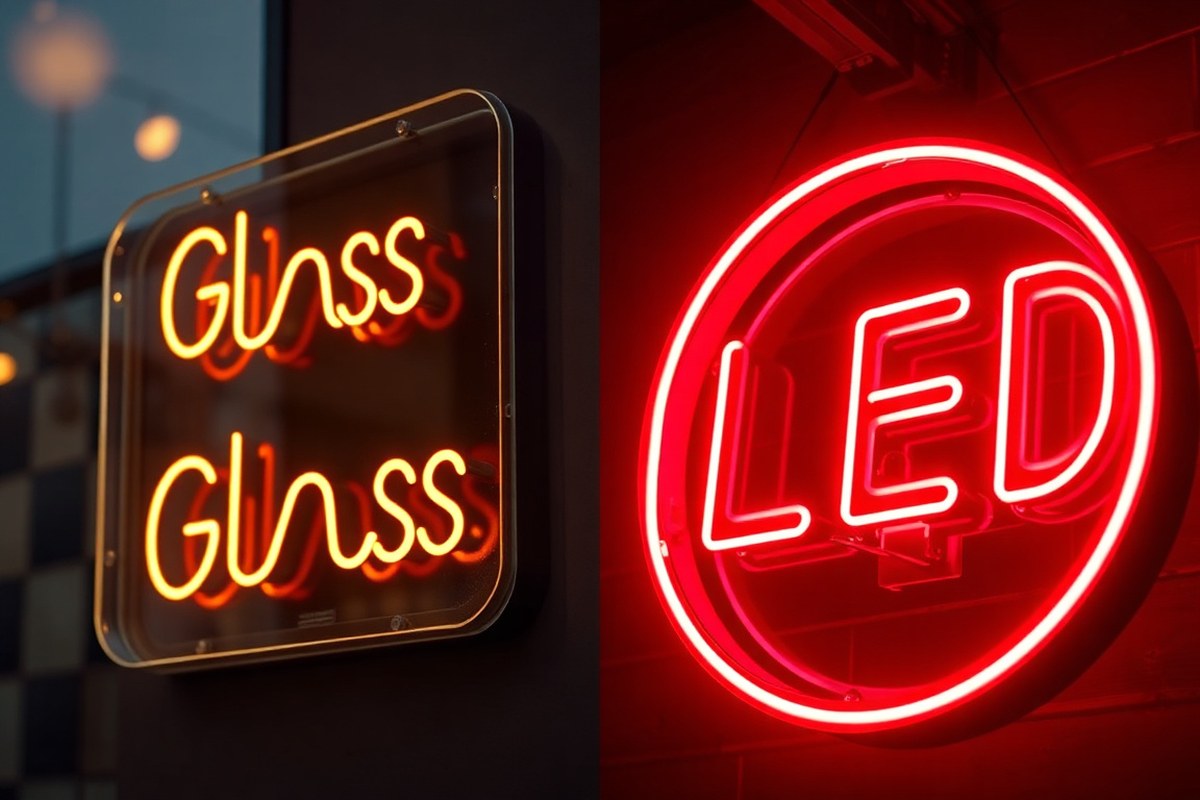
Traditional neon signs and LED neon signs vary considerably in how long they last, how much upkeep they need, and how tough they are. Traditional neon signs use glass tubes filled with gas and generally function well for 8 to 15 years if taken care of properly. LED neon signs, however, usually have a lifespan measured in hours, often between 15,000 and 50,000, which equals about 6 to 12 years depending on use each day. LEDs last longer because they are made with solid materials and don’t depend on delicate glass or gas to produce light.
Maintenance demands between the two technologies also vary. Traditional neon signs require regular upkeep to prevent gas leaks, glass damage, and electrical failures. They need specialized repairs from professionals because glass tubes are fragile and prone to breakage. LED neon signs, on the other hand, require less maintenance overall. Keeping the sign clean and checking electrical connections occasionally is usually sufficient, which means lower ongoing service costs and fewer disruptions.
Durability is another important factor. Glass neon tubes are vulnerable to breakage during handling and are sensitive to extreme weather conditions, especially moisture. LED neon signs use plastic or silicone housings that resist impact, heat, and moisture more effectively. This makes LED neon signs more suitable for outdoor or high-traffic areas where physical damage and harsh weather are concerns. Indoor LED neon signs last even longer because they avoid direct exposure to such conditions.
| Feature | Traditional Neon | LED Neon |
|---|---|---|
| Lifespan | 8 to 15 years | 15,000 to 50,000 hours (6 to 12 years approx.) |
| Maintenance | Regular professional servicing; glass repair | Minimal; clean sign, check connections |
| Durability | Fragile glass tubes; sensitive to moisture and impact | Plastic housing; resistant to heat, moisture, and impact |
| Cost | More expensive upfront; cheaper long term | Cheaper upfront; may cost more long term |
| Safety | Generally safe with proper grounding | Risk of LED failure causing fire in rare cases |
Knowing these differences matters when choosing a sign for your business. For example, a busy retail storefront exposed to weather and physical contact may benefit from an LED neon sign’s durability and low maintenance. A high-end bar or restaurant wanting the authentic glow of glass neon might accept more frequent maintenance in exchange for traditional aesthetics. Cost considerations depend on both initial budget and how long the sign must operate reliably.
Tip: Avoid DIY repairs on traditional neon signs to prevent expensive glass damage; for LEDs, regularly clean the casing and inspect power supplies to maximize lifespan.
Key Factors That Affect LED Neon Sign Lifespan
The lifespan of an LED neon sign depends heavily on several key factors, including how long you operate the sign each day, the environment where it is installed, the quality of its components, and electrical aspects like the power supply. Understanding these influences helps you get the best performance and longevity out of your investment.
Daily operating time directly affects the total hours your LED neon sign accumulates. For example, using a sign for 8 hours a day results in about 2,920 hours annually. Signs run longer each day wear out faster since LED chips have a limited lifespan measured in total operating hours, typically between 50,000 and 100,000 hours for premium signs. Operating a sign at full brightness also increases strain and heat, which can reduce lifespan.
Environmental conditions play a significant role. Heat is one of the biggest risks; constantly high ambient temperatures can cause LED chips and driver electronics to degrade faster. Moisture is another threat, especially for outdoor signs exposed to rain or humidity. Dust and dirt buildup restrict airflow, trapping heat and increasing wear. Proper moisture sealing and choosing a location with stable temperatures will help preserve your sign’s function.
Build quality impacts how well the sign handles these stresses. Higher-quality LED chips and efficient driver electronics resist heat and electrical fluctuations better. Signs made with premium materials usually have better moisture and UV resistance, which is important for outdoor exposure. Low-cost or poorly made signs may use cheap components that fail sooner, costing more in replacements or repairs over time.
- Choose a daily operating schedule that balances visibility needs with usage; reducing hours extends lifespan.
- Install signs where temperature extremes and direct sunlight are minimized.
- Ensure moisture protection is rated for your environment; IP65 or higher is preferred outdoors.
- Inspect and clean signs regularly to remove dust and debris that cause overheating.
- Select signs with a reputable brand and quality certifications to avoid early electronic failures.
- Consider brightness settings; operating at lower intensity reduces heat buildup and wear.
- Use a compatible, efficient power supply and verify professional installation to avoid electrical stress.
Maintaining good airflow and avoiding excessive heat buildup directly helps electronic parts last longer. For outdoor installations, waterproof designs and UV-resistant materials prevent damage from rain and sun exposure. Investing in higher-grade LEDs and drivers improves resilience against electrical surges and temperature changes, ensuring the sign maintains consistent brightness and color quality throughout its usable life. Ultimately, balancing usage patterns, protecting your sign from harsh environmental factors, and choosing quality components are essential for maximizing how long your LED neon sign lasts and keeping maintenance costs down over time.
How Daily Usage and Operating Hours Influence Longevity
LED neon signs generally last longest when used moderately, with around 8 to 10 hours of daily operation. Leaving them on 24/7 can cause unnecessary wear on components like the power adapter, which may reduce the overall lifespan. Turning the sign off periodically helps prevent heat buildup and extends its service life.
Recommended Daily Usage Hours
Manufacturers commonly rate LED neon signs to operate effectively for 30,000 to 50,000 hours. Using the sign for about 8 to 10 hours each day balances visibility with durability. For example, running a sign 10 hours daily results in approximately 3,650 hours per year, allowing the sign to last around 13 to 14 years at 30,000 hours or up to 27 years at 50,000 hours.
Operating beyond 10 hours daily is possible but may speed up the decline of key components, especially the power supply. Limiting usage within this range helps maintain brightness and color quality over a longer period without frequent repairs.
Benefits of Turning Off Periodically
Turning off your LED neon sign periodically allows it to cool down and reduces stress on electrical parts. Continuous operation causes the power adapter to heat up, which can shorten its lifespan. Power adapters typically fail before the LED tubes do, and heat is the leading factor in their breakdown.
Scheduling downtime also saves energy, lowering costs without significant impact on the sign’s visibility for customers or passersby. Signs can be turned off during slow business hours or overnight, providing consistent rest without disrupting operation during peak times. Here are steps to optimize sign operation through periodic shutdowns:
- Determine your business hours and peak times when visibility matters most.
- Set the sign to turn off during non-business hours or use a timer/smart plug for automation.
- Allow the sign to cool for at least 4 to 6 hours daily.
- Check the power adapter temperature occasionally to ensure it does not overheat.
- Maintain a routine for inspecting and cleaning the sign and its power components monthly.
- Replace power adapters proactively if you notice excess heat or flickering.
Consequences of Continuous Operation
Keeping LED neon signs on 24/7 increases the risk of heat buildup, especially in the power adapter and wiring. Improve temperatures accelerate wear and may lead to premature failure, requiring earlier repairs or replacement. Continuous use can also cause gradual dimming of the LED tubes after tens of thousands of hours.
The extra runtime shortens the time between maintenance interventions and reduces the overall cost-effectiveness of the sign. Overheated power supplies often cost $20 to $50 to replace, depending on the sign model. Unexpected failures during continuous use may disrupt your business visibility. In situations where 24/7 operation is essential, improving ventilation around the sign and using high-quality power supplies rated for continuous use can help reduce risks but won’t fully prevent wear over time.
Maintenance Tips to Maximize LED Neon Sign Lifespan
Regular maintenance is key to making your LED neon sign last as long as possible. Cleaning gently, checking electrical connections, and avoiding physical damage all help keep your sign bright and functional for years to come.
Safe Cleaning Practices
Cleaning your LED neon sign every three to six months prevents dirt and dust from dulling its brightness. Use a soft, dry microfiber cloth to gently wipe the surface, avoid paper towels or abrasive materials that could scratch the tubing. For tougher grime, slightly dampen the cloth with water; never apply water directly to the sign or use harsh chemicals. Cleaning helps maintain the sign’s visual appeal and prevents buildup that can trap heat or moisture, which might shorten the LED lifespan.
Routine Electrical Inspections
Loose or damaged connections can cause flickering or total failure. Inspect the sign’s power supply and cables at least twice a year, looking for frayed wires, exposed contacts, or corrosion. Ensure all plugs are fully inserted and secure. If the sign uses a transformer, verify it remains cool and unobstructed during operation.
Always turn off and unplug the sign before checking electrical components to avoid shock hazards.
Regular inspections catch problems early, avoiding costly repairs or premature failure.
Protecting Against Physical Damage
LED neon signs are relatively durable but still vulnerable to impacts or harsh weather. Mount your sign in a sheltered spot out of direct sunlight, strong winds, and heavy rain when possible. Use stable brackets and hardware rated for outdoor use to prevent sagging or falls. Avoid touching or pressing on the tubing, which can crack or deform the LEDs inside.
- Mount signs securely using manufacturer-approved hardware
- Shield signs from extreme weather with awnings or enclosures
- Keep children and pets away from signs to prevent accidental damage
- Avoid high-temperature zones, as excessive heat can degrade components
- Do not attempt to bend or reshape LED tubing
- Unplug the sign during severe storms to prevent electrical damage
Taking these precautions reduces the risk of physical and electrical damage, helping your sign maintain its brightness and function longer.
Signs Your LED Neon Sign Needs Repair or Replacement
Signs that your LED neon sign needs repair or replacement include flickering, dimming, or complete failure to illuminate. Identifying the cause and severity of these issues is important. Knowing how to check components and what thresholds guide repair or replacement helps protect your investment and avoid unnecessary costs.
Common Malfunctions and Causes
Flickering and dimming in LED neon signs usually stem from LED driver degradation or loose electrical connections. Unlike traditional neon that can fail suddenly, LED drivers wear down gradually and reduce brightness over time. Physical damage to the tubing or internal electrical faults also impact performance.
Environmental factors like moisture, dust, and temperature fluctuations speed up degradation. For example, continuous exposure to temperatures above 104°F (40°C) can accelerate driver wear. Poor installation or power surges often cause flickering by disrupting stable current flow.
Troubleshooting LED Neon Signs
Start by visually inspecting your sign for obvious damage such as cracks or water ingress. Next, note the pattern of malfunctions, flickering limited to certain sections often points to individual LED module issues rather than the entire system. You can test components with a multimeter to measure voltage and continuity, focusing on the power supply and LED driver, which are common failure points. Follow this checklist to diagnose faults:
- Check power source reliability and voltage output with a multimeter.
- Inspect LED driver for abnormal heat, discoloration, or smell.
- Verify all wiring connections are tight and corrosion-free.
- Test individual LED segments for continuity.
- Look for visible signs of water damage or physical breaks.
- Observe sign operation for flickering pattern and timing.
These steps can take under an hour with basic tools. Small fixes, like tightening connections or replacing a damaged driver (which can cost $20 to $100), often restore functionality.
Repair vs. Replace Decision Points
Decide between repair and replacement based on the extent of damage, age of the sign, and cost of parts. Repairs make sense if the problem is localized (like a single LED strip or driver) and the sign is under 5 years old. Replacement should be considered if there is widespread component failure, repeated breakdowns, or if brightness has dropped below 50% of the original output despite repairs. Use this simple decision rule:
- Repair if fix costs less than 30% of replacement price and sign is under 5 years old.
- Replace if multiple components are failing or original warranty coverage has expired.
- Replace if sign shows physical damage that compromises weatherproofing.
- Consider replacement if energy consumption increases due to damaged components.
Modern LED neon signs, supported by warranties (like a typical 12-month warranty on electrical faults), provide a reasonable service life and can be cost-effective to repair early in their lifecycle. After significant deterioration or major fault, investing in a new sign ensures durability and optimal performance.
Impact of Power Supply and Installation Quality on Lifespan
A high-quality power supply is essential for the longevity of LED neon signs because it ensures a stable voltage and current flow. Fluctuations, spikes, or insufficient power can cause LEDs to overheat, flicker, or fail prematurely. For example, using a power supply rated for more amperage than the sign requires helps avoid strain during peak usage. Investing in a reliable, certified adapter typically costs between $20 and $60, which protects your sign from electrical damage and extends its lifespan.
Poor installation can shorten the life of your LED neon sign in several ways. Incorrect mounting methods may expose the sign to excessive vibration or moisture, stressing internal components and electrical connections. Wiring that is not secured properly may loosen over time or lead to short circuits. A professional installer can ensure appropriate positioning, seal all connections against rain or humidity, and use proper wiring techniques to reduce risks. Installation costs vary but generally start around $100. Avoid DIY installations unless you have electrical experience, as mistakes may void warranties and reduce durability.
Electrical damage often shows through flickering lights, uneven brightness, or total failure of parts of the sign. Discoloration or burn marks near the power input or wiring indicate overheating or short circuits. When your LED neon sign suddenly dims or flashes without a clear cause, start by inspecting the power supply. Sometimes replacing the adapter or repairing damaged cables restores normal operation. An electrician should check for wiring faults if electrical problems persist. Over time, heat from poor connections can degrade LEDs faster, so addressing electrical issues early prevents accelerated wear and costly replacements.
Heat buildup plays a critical role in electrical issues and overall sign durability. A high-quality power supply reduces excess heat by efficiently converting electricity. Correct installation allows airflow around the sign and prevents enclosure of components that trap heat. For outdoor signs, using waterproof connectors and weatherproof power supplies prevents moisture-related corrosion, which can compromise electrical integrity. Regularly check for dirt or debris blocking vents and clean them to maintain proper cooling, especially in hot climates.
Differing voltage standards in regions may require specific power supplies; for example, a sign rated for 12V DC must use a matching adapter in the US where wall outlets provide 120V AC. Using the wrong power supply not only shortens the LED life but can cause immediate damage. Verify compatibility with product specifications before purchase. Some manufacturers offer power supplies with built-in surge protection and thermal cutoffs, features that reduce electrical risks further and justify a slightly higher price in most cases.
What to Expect over Time: Brightness, Color, and Performance Changes
LED neon signs do not suddenly burn out like traditional neon signs. Instead, their brightness decreases gradually over time. This means you can expect your sign to keep working for many years even as the light dims slowly. Typically, at the end of the manufacturer’s rated lifespan, often between 30,000 and 50,000 hours, the sign’s brightness will have dropped to about 70% of its original intensity. This 70% brightness level is generally considered the functional lifespan, where the sign still looks good and performs well.
The gradual dimming happens because the LEDs slowly lose their efficiency as they age and as they operate in varying conditions. Heat plays a big role in how fast the brightness fades; signs exposed to higher temperatures or poor ventilation will see faster dimming. Proper installation and good ventilation help slow this process. Normal use also impacts how long the sign maintains its bright, uniform glow. For example, continuous use at high brightness levels or in hot environments can reduce lifespan toward the lower end of the 30,000 to 50,000-hour range.
Once your LED neon sign reaches about 70% brightness, it usually continues operating but with noticeably reduced glow. Many users find this slight dimming acceptable, as the sign is still visible and attractive. Beyond this point, brightness might continue to decrease gradually, so you might consider replacement or updates if maintaining peak visibility is essential for your business. Good maintenance, like keeping the sign clean and ensuring the power supply is stable, will help you stay closer to the higher end of the expected lifespan.
Different conditions can shift this timeline. Indoor signs that avoid moisture and extreme heat may last longer and retain better color quality. Outdoor signs exposed to sun, rain, or high humidity might show color shifts or dim more quickly. Color fading generally happens along with brightness loss, but quality LED neon signs are designed to minimize noticeable color change over their lifespan. Since LED neon uses plastic tubing and LED chips rather than fragile gas tubes, there is no risk of glass breakage or gas leaks, but performance still naturally declines over many thousands of hours.
Keep your LED neon sign away from excessive heat and moisture to slow brightness loss and extend its usable life.
Step-by-Step Action Plan to Extend Your LED Neon Sign’s Lifespan
Follow these steps to keep your LED neon sign bright and functional for years. Each action helps protect your investment and shows when your sign is performing at its best.
- Before Installation: Choose a high-quality power supply and professional installation to prevent early failures. Confirm proper voltage with a multimeter to ensure stable operation.
- Week 1: Inspect your LED neon sign daily for any flickering or dim spots. Address issues immediately by consulting the supplier to avoid long-term damage.
- Month 1: Clean the sign gently with a soft, dry cloth to remove dust without scratching. Improved brightness and no new residue confirm effective cleaning.
- Every 3 Months: Check the mounting and wiring for wear or loosening. Secure or replace parts as needed to maintain safe and consistent power delivery.
- Every 6 Months: Test the sign’s brightness compared to when new. Slight dimming is normal, but a sharp decrease means it’s time to consult a technician.
- Annually: Schedule a professional inspection for the power supply and internal electronics. A clean bill of health here means your sign should last closer to the top of its lifespan range.
- After Any Repairs: Monitor daily for stable operation and consistent color output. Immediate improvements in performance indicate proper repair.
Frequently Asked Questions
Do LED Neon Signs Have a Warranty Period?
Most LED neon signs come with a warranty that typically covers 1 to 3 years, protecting you against manufacturing defects. Check the specific policy before purchase for coverage details and exclusions.
Can LED Neon Signs Be Recycled?
Yes, LED neon signs can be recycled, but recycling options depend on local electronic waste programs. Proper disposal helps recover valuable materials and reduce environmental impact.
How Does Weather Affect Outdoor LED Neon Signs?
Weather can impact outdoor LED neon signs by causing wear to seals and components over time. Choosing signs rated for outdoor use and performing regular inspections helps prevent damage.
Are LED Neon Signs Energy Efficient Compared to Traditional Neon?
LED neon signs use significantly less energy than traditional neon, which lowers operating costs. Their efficiency contributes to longer lifespan and reduced environmental footprint.
Can LED Neon Signs Operate on Battery Power?
Some LED neon signs can run on batteries, but this often limits brightness and runtime. Battery-powered options work best for temporary or portable displays.
Do LED Neon Signs Fade Under Sunlight?
LED neon signs may experience slight fading when exposed to direct sunlight consistently. Using UV-protected materials and placing signs in shaded areas extends color vibrancy.
Wrapping Up
LED neon signs can last 50,000 hours or more when powered and cared for properly, significantly outlasting traditional neon. Keeping an eye on power quality and cleaning regularly will help your sign stay vivid and reliable. Start today by checking your sign’s power supply specifications to ensure it matches the manufacturer’s recommendations.