Cabin Sign Ideas: 8 Practical Ways to Create Unique Rustic Signs
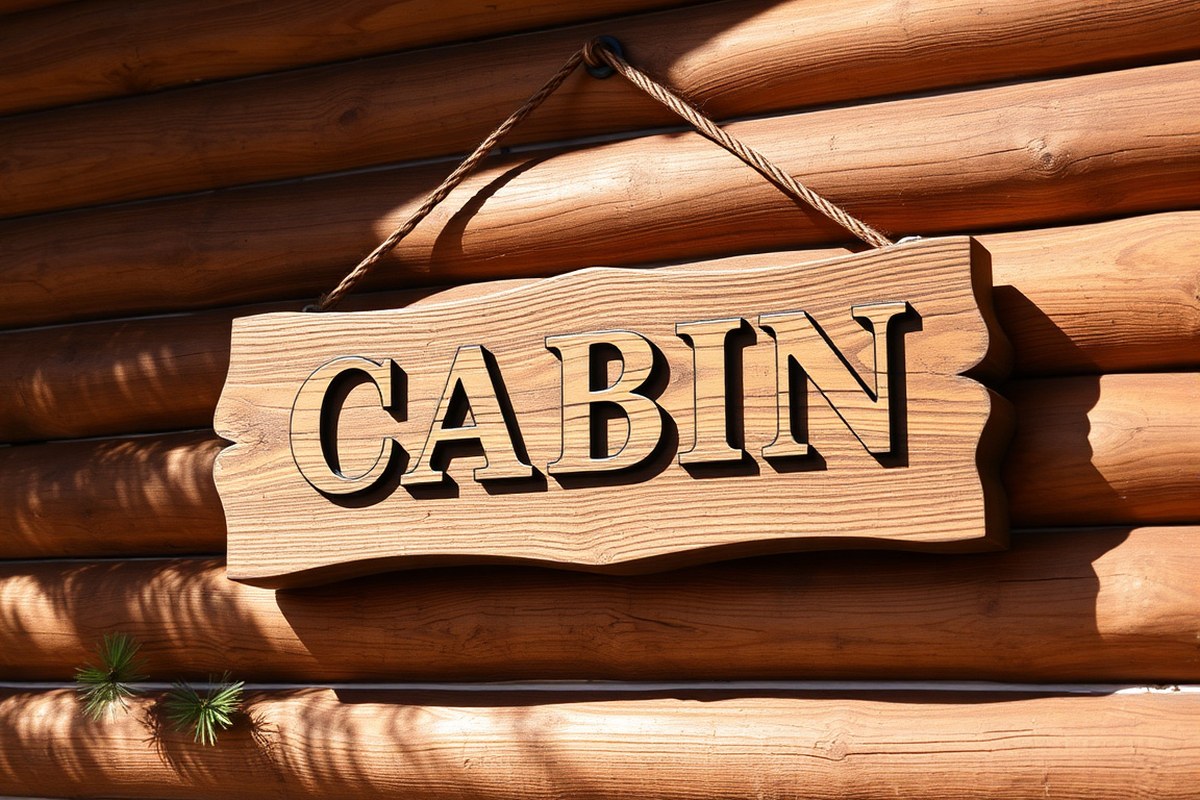
Cabin sign ideas can transform the look and feel of your rustic retreat, making it truly stand out. Choosing styles like wooden welcome signs or humorous phrases instantly adds personality and a welcoming vibe. Start by selecting a sign design that reflects the character you want your cabin to express.
Key Takeaways
- Pick durable materials like solid wood that age beautifully and suit your cabin’s rustic aesthetic.
- Consider classic styles such as welcome signs with pine tree designs to complement natural surroundings.
- Use personalized quotes that reflect memorable moments or the cabin’s spirit for a unique touch.
- Think about placement first, entryways or porches create the best visual impact for guests.
- Choose weather-resistant finishes to protect outdoor signs from fading and wear over time.
- Incorporate at least one colorful element from available options to brighten the rustic wood naturally.
1. Popular Cabin Sign Styles and Ideas
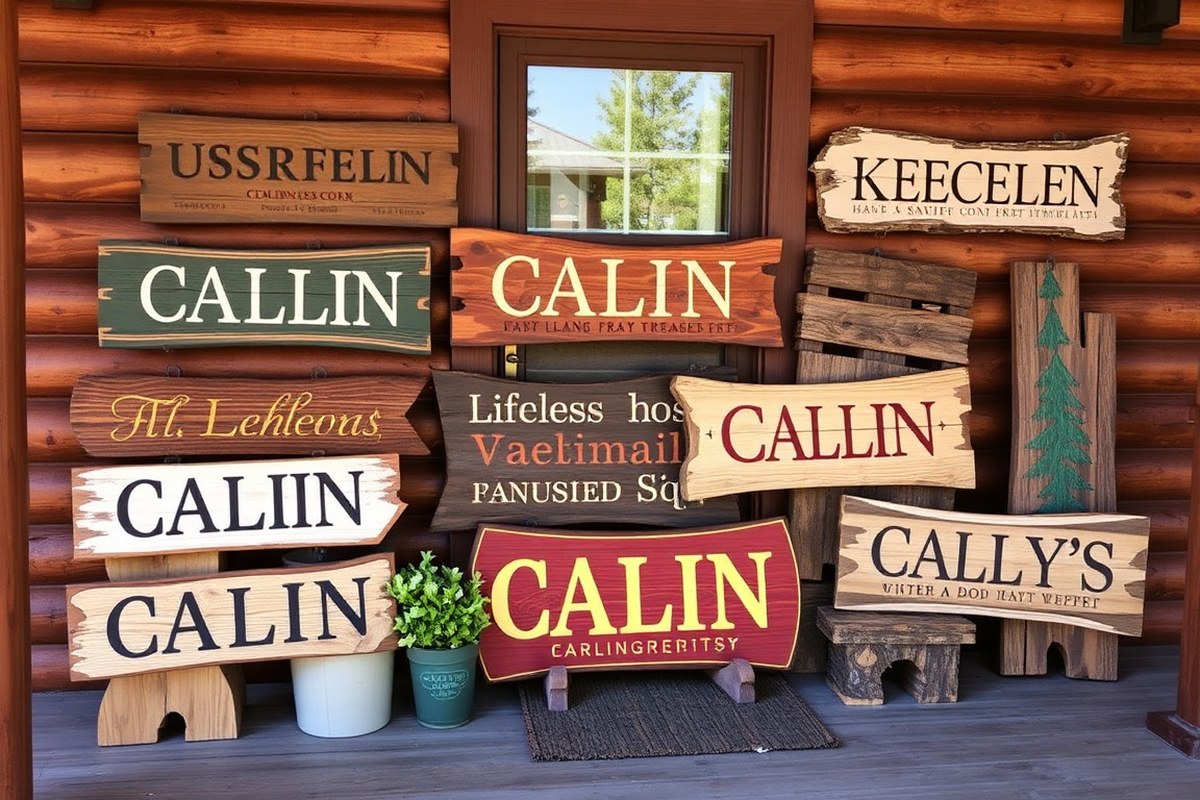
Cabin sign styles vary widely to suit different personalities and décor aesthetics, ranging from rustic and vintage to modern interpretations. Each style reflects the cabin’s atmosphere, whether it’s a cozy log home tucked in the forest, a sleek lake retreat, or a rugged hunting lodge. Choosing the right style impacts not only the look but also the feeling you create for visitors and yourself.
Rustic cabin signs often feature natural wood with visible grain, rough edges, and hand-painted or carved lettering. These signs are perfect for traditional log cabins and hunting retreats, bringing warmth and authenticity. They age gracefully outdoors, developing a natural patina that improve their charm over time. Vintage signs take inspiration from classic lodge aesthetics, often incorporating distressed finishes, faded paint, and nostalgic fonts that evoke a sense of history and comfort. This style suits cabins aiming for an old-fashioned, welcoming vibe.
Modern cabin signs tend to focus on clean lines, minimalist designs, and high-end finishes on wood, metal, or a combination. These signs work well for contemporary cabins and vacation homes that want a blend of rustic charm and modern sophistication. They often use simple text layouts with clear, readable fonts and subtle symbols or icons relevant to cabin life, like pine trees or wildlife silhouettes.
- Traditional rustic wood signs with hand-carved lettering for authentic lodge or hunting cabins
- Vintage-style signs with distressed paint and classic fonts to evoke nostalgic charm
- Modern minimalist wood or metal signs with clean text and simple nature motifs
- Wooden arrow sign sets to guide guests on larger properties while adding rustic flair
- Quote or phrase signs featuring uplifting, nature-inspired messages for porches or interiors
- Custom-crafted solid hardwood signs tailored to your cabin’s personality and style
- Combination signs blending rustic wood grain with sleek, readable lettering for a balanced look
Choosing the right theme depends on your environment and personal taste. Lake cabins often pair well with signs that include water or nautical symbols and light wood finishes that complement the surroundings. Hunting cabins benefit from darker wood tones and wildlife imagery to improve the rugged feel. Vacation cabins may lean toward welcoming messages and versatile designs that appeal to multiple visitors year-round. Handcrafted signs built one at a time from solid hardwood ensure uniqueness and can be designed to fit any character, from simple text layouts to elaborate personalized symbols.
Costs vary depending on materials and complexity but expect a mid-range handcrafted wooden sign to start around $70, with mid-size custom pieces priced around $100 to $125. Larger or more detailed signs usually cost $200 or more. Proper placement, such as above the entryway or on a porch wall, will maximize visual impact and durability. Choosing the style that complements your cabin’s design creates a cohesive, inviting atmosphere the moment someone arrives.
2. How to Choose the Right Materials for Cabin Signs
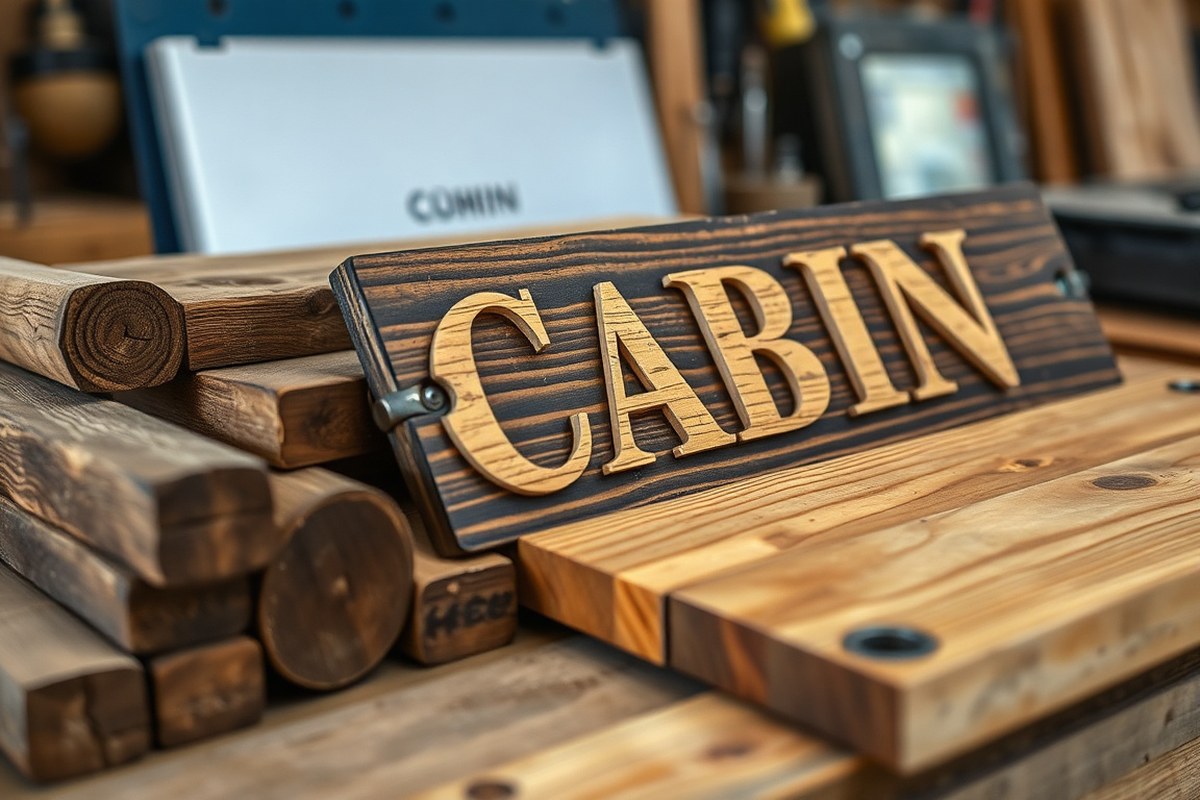
Choosing the right material for your cabin sign directly impacts its durability, appearance, and upkeep. Solid wood remains the most popular choice for outdoor cabin signs because of its natural look and ability to be finished for long-term exposure to the elements. Different types of wood offer varying levels of longevity and aesthetics, so picking the right one depends on your priorities like budget, style, and maintenance willingness. Also, weatherproof alternatives such as composite materials or metal signs provide options when less maintenance is desired.
Solid wood signs offer a rustic charm that fits perfectly with cabin decor. Woods like cedar and redwood are naturally resistant to rot and insects, making them excellent for longevity. Pine is a more affordable option but requires careful sealing and more frequent upkeep to keep it looking good. Weatherproof coatings, such as marine varnish or outdoor polyurethane, are essential for any wood to withstand rain, snow, and sun fading for several years.
For those seeking low-maintenance signs, aluminum or composite signs can be superior choices. These materials generally resist weather effects better and need less frequent care, although they lack the natural texture of wood. Composite materials often combine wood fibers with resin for improve durability while mimicking a wood-like appearance. Metal signs, though sleek and very weatherproof, suit cabins with a modern or industrial style rather than a traditional rustic feel. Below is a comparison table summarizing popular cabin sign materials, their advantages, disadvantages, maintenance needs, and typical price ranges to help you decide:
| Material | Appearance | Durability | Maintenance | Typical Cost |
|---|---|---|---|---|
| Cedar | Classic rustic grain | High (natural rot/insect resistance) | Seal and varnish every 2-3 years | Mid-range ($50, $150) |
| Redwood | Rich reddish hues | High (durable outdoors) | Similar to cedar | Mid to high ($75, $200) |
| Pine | Light color, smooth | Moderate (needs protection) | Seal annually to prevent decay | Low ($30, $100) |
| Composite (wood + resin) | Wood-like, uniform | High (weatherproof) | Minimal, occasional wash | Mid to high ($80, $220) |
| Metal (aluminum) | Modern, sleek or rustic painted | Very high (weather and rust resistance) | Minimal, clean as needed | Mid to high ($60, $180) |
To keep wood signs looking their best, applying a UV-resistant, waterproof finish is key. For example, use a marine-grade varnish that can handle temperature swings and moisture exposure typical of cabin locations. Signs in shaded or covered areas may last longer between treatments. Metal signs need less upkeep but watch for scratches that expose the surface and could cause corrosion if not properly coated.
Always apply multiple coats of a weatherproof finish on wood signs and allow each coat to dry thoroughly for the best protection outdoors.
3. Creative Quote and Phrase Ideas for Cabin Signs
Choosing the right quote for your cabin sign brings personality and warmth to your space. Pick phrases that speak to your mood, values, or the atmosphere you want to create. Combining text with simple graphics can make the message clearer and more inviting, especially in a rustic setting.
Inspirational Quotes for Rustic Cabins
Inspirational quotes set a tone of peace, relaxation, and connection to nature. They work well for cabins used as retreats or places to recharge. Select quotes that reflect calmness, appreciation for the outdoors, or the joy of slowing down. Examples include:
- “Life is better by the lake.”
- “Find peace where the pines grow.”
- “Home is where the heart enjoys the quiet.”
- “Let the mountains move your soul.”
- “Breathe deep, live well.”
Combining these phrases with images like pine trees, mountains, or peaceful lakes reinforces the message. Use simple, rustic fonts and earthy colours to keep the look authentic and appropriate for a cabin.
Humorous and Quirky Sayings
Humour adds charm and makes your cabin feel welcoming. Quirky signs can lighten the mood and give visitors a reason to smile. Opt for funny, down-to-earth sayings that fit the cabin lifestyle or the local environment. Common ideas include:
- “No WiFi, just wild life.”
- “Gone to the woods. Be back never.”
- “Cabin sweet cabin (with occasional mosquito visits).”
- “Leave the road, take the trails.”
- “If you lived here, you’d be home now.”
You can pair these sayings with lighthearted graphics like cartoon bears, fishing hooks, or campfires. Combining words and fun visuals makes the sign stand out and expresses what your cabin life is all about.
Family and Personalized Name Phrases
Personalized signs make your cabin feel truly your own. They can feature your family name, cabin name, or a phrase that has special meaning. This kind of sign often serves as a welcoming marker for guests and a point of pride for you. Try these practical examples:
- “The Miller Family Cabin”
- “Eagle’s Nest Retreat”
- “Welcome to Beaver Lodge, Est. 1998”
- “Moonlight Pines Hideaway”
- “Smith’s Camp, A Place to Unplug”
Include initials, established dates, or simple icons like a fish or pinecone to personalize further. Make sure the text size is readable from a distance and the style matches your cabin’s rustic vibe. Text and graphics together should balance well on the sign for a polished look.
4. Step-by-Step Guide to Making Your Own Cabin Sign
Creating your own cabin sign combines craftsmanship with personal style. You’ll need basic tools and suitable wood, then follow clear steps to shape, decorate, and protect your sign. The process involves selecting materials, designing, carving or painting, and finishing for durability.
Choosing Materials and Design
Select wood that suits outdoor use, like cedar, redwood, or pine, which resist decay and hold paint well. Pick a plank about 1 inch thick and wide enough for your message, typically 6 to 12 inches tall and 24 to 36 inches long. Consider the sign’s location to match your cabin’s style, rustic signs pair well with natural, unpainted wood, while painted signs can stand out on neutral backgrounds.
Plan your design on paper first, including fonts and any graphics. Simple block letters work best to carve or paint clearly. To achieve a vintage look, rough the edges with sandpaper after cutting. Letter height of 2 to 4 inches is easy to read from a short distance outside your cabin.
Carving and Painting Techniques
Carving tools like chisels or a rotary tool will give a clean, professional look but need steady hands and safety gear. For a painted sign, use stencil letters or hand-paint with acrylic or outdoor latex paint designed for wood. Contrasting colors improve legibility; white or cream letters on dark wood backgrounds work well.
Start by transferring your design onto the wood by tracing with graphite paper or drawing freehand. For carving, gently chip away the surface within letter outlines. When painting, apply a primer first to help paint stick and last longer. Use small brushes for details and allow 24 hours to dry between coats.
Sealing and Weatherproofing
Seal your finished sign with an outdoor clear coat like spar urethane or a marine varnish. This prevents moisture damage, fading from UV rays, and wear from temperature changes. Apply at least two coats with light sanding between layers for smoothness. Make sure the sign is dry and clean before sealing.
Mount your sign under an overhang if possible to limit direct weather exposure. For horizontal placement, slightly tilt the sign to allow rain runoff. Regularly inspect and reseal every 1 to 2 years for signs of wear or peeling paint to extend the life of your handmade sign.
- Choose a weather-resistant wood plank about 1 inch thick, 6, 12 inches tall, and 24, 36 inches wide.
- Plan your design on paper, selecting clear block letters 2, 4 inches tall and any simple graphic elements.
- Transfer the design onto the wood with graphite paper or hand drawing.
- Carve letters carefully using chisels or a rotary tool, or paint letters after applying primer.
- Allow paint to dry fully, applying multiple coats if needed for opacity.
- Seal the entire sign with two coats of spar urethane or marine varnish, sanding gently between coats.
- Install the sign in a location sheltered from heavy rain or direct sun for longevity.
5. Where and How to Place Your Cabin Sign for Best Effect
Place your cabin sign where it naturally draws attention without overwhelming the space. A common and effective spot is above or beside the front door, where visitors immediately see it upon arrival. Signs in this location should generally be around 18 to 24 inches wide to fit well within typical door frames and porch entrances. For larger cabins with wider doorways or expansive porches, consider scaling the sign up to 30 inches wide to maintain proportion and visibility.
Porches present excellent opportunities to add charm and personality using playful signs. For instance, a smaller sign, 12 to 18 inches wide, hung near seating areas can invite guests to linger and enjoy the view. Position signs so they complement existing porch features, avoiding crowding light fixtures or windows. Anchoring a sign at eye level, approximately 5 to 6 feet from the floor, ensures easy readability. Attach a sign to porch posts using weather-resistant screws or outdoor hanging hardware to handle temperature changes and moisture.
For cabins set back from the road or hidden among trees, signs near the driveway entrance or along a pathway improve visibility. These should be larger, around 24 to 36 inches wide, depending on how far away people will be when reading them. Use bold font styles and contrasting colors to increase legibility from a distance. Signs placed in gardens or landscaping zones work best if they’re smaller, around 12 inches or less, blending naturally with plants but still clear enough to catch the eye.
When sizing your cabin sign, consider how the surrounding environment affects visibility. A sign too small may go unnoticed if the cabin sits back from the street or is surrounded by dense foliage. Conversely, an oversized sign might look out of place on a modest one-room cabin. Use a simple formula: the farther away the viewer, the larger the sign should be. For example, if your cabin is 30 feet from the road, a 24-inch-wide sign offers a good balance of visibility and proportion. For signs under 10 feet, keep the width closer to 12 inches.
Integrating signs into porch, door, or garden areas requires attention to style consistency and practicality. Choose weather-resistant materials like cedar or metal for outdoor exposure, and stick to rustic finishes to match your cabin’s design. In garden spaces, mount smaller signs on short stakes or hang them from shepherd’s hooks to prevent damage to plants. Avoid placing signs where they could block foot traffic or where snow accumulates in winter, which can obscure them.
Mount cabin signs at an eye-level height, about 5 to 6 feet above the ground, to maximize readability and keep visitors from having to strain their necks or eyes.
6. Custom Cabin Signs: Personalization and Design Options
Personalizing your cabin sign makes it uniquely yours and reflects what matters most about your space. Adding family names or cabin coordinates gives the sign a personal touch that guests and renters will appreciate. You can include a surname in bold lettering at the top, followed by established dates or a meaningful phrase. Coordinates in degrees, minutes, and seconds format (for example, 45°15’30”N 100°45’00”W) add a distinctive geographic identity. These details are often engraved or painted directly onto the wood or metal surface. Online custom sign shops, like Tailored Canvases, often let you enter this text during ordering and preview how it will look before purchase.
Custom graphics and shapes can further improve the uniqueness of your sign. Common rustic themes include pine trees, lake scenes, wildlife, or mountain silhouettes. Choose graphics that match your cabin’s surroundings or your personal interests. You can request laser-cut shapes or raised 3D elements to add texture and visual interest. For example, a sign with a carved bear paw or antlers can make it stand out from typical flat signs. Custom shapes allow you to break away from rectangles and ovals, opting for cutouts in the shape of state outlines or log cabin figures. Keep in mind that more complex shapes or 3D features raise the price and may need extra shipping time, expect $75 to $200 for these designs depending on size and detail.
There are some limitations to keep in mind when personalizing cabin signs. Sign size and material affect how much text and how many graphics can fit clearly. A small, 12 by 6-inch sign won’t hold lengthy phrases or detailed images well. Wood grain or surface texture also impacts legibility, especially with thin or script fonts. Choosing high-contrast colors or raised lettering can improve readability. When ordering custom signs online, check the preview carefully because resizing text or images after production may not be possible. Budget is another consideration since signs with multiple customization layers or specialty materials cost more. Typical personalized cabin signs range from $40 for simple text-only versions to over $200 with complex graphics or unique shapes.
You can write your sign text to read, “The Johnson Cabin” on the first line, “Est. 2005” below, followed by cabin coordinates centered at the bottom. A simple pine tree icon on the left and a small boat on the right add balance. Select a rustic font that suits the wood’s grade and consider a weatherproof seal coat for outdoor durability. Personalization supports creating a welcoming and memorable entry point to your retreat, making it clear that this cabin holds special meaning. Taking time to plan your wording, colors, and images ensures you get a sign that reflects your style and lasts outdoors through all seasons.
7. Maintaining Outdoor Cabin Signs Long-Term
Protecting your outdoor cabin signs from moisture and sun damage starts with proper weatherproofing. Apply a high-quality wood sealer designed for outdoor use to guard against water absorption and UV rays. A clear polyurethane or marine varnish works well and typically costs between $15 and $30 per quart, which covers about 100 to 150 square feet. Before sealing, clean the sign thoroughly and let it dry completely. Apply two to three coats with a synthetic brush, allowing each coat to dry for at least 24 hours. This layer keeps your wooden sign from warping, cracking, or fading under harsh weather conditions.
Cleaning your cabin sign regularly helps maintain its appearance and extends its life. Use a soft brush or cloth to remove dirt and debris every few months, especially after storms or heavy pollen seasons. For tougher grime, a mild soap solution with water works well; avoid harsh chemicals that can strip the finish. Rinse with plain water and allow to air dry before applying any touch-up sealer. Keeping the surface clean prevents mold growth and wood deterioration.
Touching up or resealing wooden signs is important to sustain protection, especially in climates with wet winters or intense sun exposure. Plan to reseal your sign every 12 to 18 months, depending on your local environment. Signs exposed to high humidity and frequent rain may need resealing closer to every year, while drier areas might extend to 18 months. Start by lightly sanding the surface with 220-grit sandpaper to remove any peeling or rough spots. Wipe off sanding dust with a tack cloth, then apply one or two fresh coats of sealer. Doing this promptly stops moisture from seeping into the wood and sun damage from fading the paint or logos.
Annual maintenance checks help you catch problems early. Each spring or fall, inspect your cabin sign for cracks, signs of rot, or fading. Cracks should be filled with an exterior-grade wood filler before resealing. Paint chipping requires light sanding and repainting followed by resealing when necessary. Also, check mounting hardware for rust or loosening and tighten or replace bolts to keep the sign securely in place.
For signs made of softer woods or more delicate designs, consider adding a UV-resistant clear coat on top of the sealer to add extra protection against sunlight. Cabin signs exposed directly to southern sunlight benefit from a second UV protection layer applied in mid-summer to slow deterioration.
Following these maintenance steps, cleaning a few times a year, sealing every one to one and a half years, and inspecting annually, ensures your cabin signs stay vibrant and sturdy. Neglecting these tasks can lead to wood decay, faded visuals, or damaged fasteners, which may require costly repairs or replacement. By investing a few hours each year and about $30 to $60 in materials, you can preserve the rustic charm of your outdoor signage for many seasons to come.
8. Unique Cabin Sign Ideas and Themes to Inspire
Unique cabin sign ideas can add personality and charm to your rustic retreat. Choosing creative themes, using directional messaging thoughtfully, and integrating seasonal updates can make your signs both useful and memorable. These options help your cabin stand out and make guests smile.
Humorous and Whimsical Signs
Fun and quirky signs bring personality to your cabin and catch the eye of visitors. Try phrases that play on cabin life or nature with a touch of humor. Signs like “Bear Crossing, High Paw-sibility of Cuddles” or “WiFi? Nope, Try Nature Instead” invite smiles and set a relaxed tone.
Creating your own humorous sign involves picking a short, punchy phrase tied to your cabin’s atmosphere. Use easy-to-read fonts and weatherproof paint so the message stays visible year-round. Prices for materials such as reclaimed wood and durable paint range from $15 to $50, depending on size.
Seasonal and Holiday Variations
Adapting cabin signs for holidays or changing seasons keeps decor fresh without a full redo. Attach interchangeable panels or hang decorative elements over your base sign for events like Christmas, Halloween, or summer vacations. For example, add a small red bow and snowflake cutouts in winter, or orange leaves and pumpkins in fall.
Plan ahead by making your base sign neutral, then use hooks or clips for quick swapping. Seasonal signs boost festive spirit and can direct guests to special event areas, like a fire pit for winter storytelling. Costs vary but expect to spend $10 to $30 on decorations each season. Signs should be mounted where they are visible yet protected from strong winds.
Directional and Functional Signs
Directional cabin signs serve practical needs while adding rustic charm. Use arrow shapes or carved pointers to direct visitors to spots such as the “Boat Dock,” “Trailhead,” or “Fishing Hole.” This reduces confusion and helps guests explore the property confidently.
Functional messaging can also be creative. For instance, a sign reading “Quiet Zone, Nap Time for Bears” near a bedroom or “Fresh Air Lounge” at the porch suggests atmosphere and function. Building these signs requires simple woodworking skills or purchasing pre-made arrow bases to customize with paint or vinyl lettering.
- Use weather-resistant wood like cedar or redwood for durability.
- Apply outdoor-rated paint or stain to withstand sun and rain.
- Include directional arrows sized 6 to 12 inches long for easy visibility.
- Mount signs 5 to 6 feet above ground to keep them readable and avoid damage.
- Label paths, amenities, and safety areas clearly to improve guest experience.
- Combine functionality with charm by adding small illustrations like pine trees or fish.
Ensure that directional signs use consistent colors and fonts for quick recognition and to avoid confusing visitors.
Step-by-Step Action Plan for Your Cabin Sign Project
Follow this plan to create a cabin sign that fits your style and lasts through the seasons.
- Day 1: Choose your cabin sign style and design from the ideas you like best. Confirm your choice by sketching a rough draft.
- Day 2: Select the right materials based on where you’ll place the sign and your budget. Verify materials by checking for weather resistance and durability.
- Day 3: Personalize your sign with meaningful quotes or family names. Make sure the text fits well on your chosen sign shape and size.
- Day 4: Gather tools and prepare your workspace for sign making. Success means all materials and tools are ready and safe to use.
- Day 5 or Weekend: Build your cabin sign following step-by-step instructions. Confirm progress by comparing your work to your initial design.
- Day 6: Apply outdoor finishes and sealants to your sign. A good sign will feel smooth and look evenly coated.
- Day 7: Select the best location for your sign outside your cabin considering visibility and weather exposure. Test the placement by viewing from different angles and distances.
- After Installation: Schedule routine maintenance every 3 to 6 months. Your sign should stay vibrant and intact with minor touch-ups.
Frequently Asked Questions
What Are Some Cost-Effective Materials for DIY Cabin Signs?
Wood pallets, reclaimed barn wood, and plywood are budget-friendly choices. These materials are easy to paint and weather well when sealed, making them ideal for rustic cabin signs.
Can I Use Outdoor Paints on Indoor Cabin Signs?
Outdoor paints can be used indoors but may have stronger fumes. It’s better to use indoor or all-purpose paints inside, as they are formulated to dry without releasing high VOCs.
How Do I Protect My Wooden Cabin Sign from Insects?
Applying a wood preservative or sealant helps keep insects away. Regular maintenance with these products prevents damage and prolongs the sign’s life.
What Font Styles Best Suit Rustic Cabin Signs?
Sans-serif or script fonts with rough or hand-painted looks match rustic styles. Fonts resembling woodcut or stencil lettering also improve authenticity.
Are Metal Cabin Signs More Durable Than Wood?
Metal signs generally withstand weather and require less upkeep. However, they may not offer the same rustic charm as wooden signs, so consider style preference first.
Can Cabin Signs Be Reused If I Move the Sign to a New Location?
Yes, signs can be relocated if mounted securely. Using removable hooks or posts minimizes damage and allows flexibility with cabin decoration.
Wrapping Up
A well-designed cabin sign can add charm and personality to your vacation home or rental cabin. Take the next step by choosing a design that reflects your style and environment. Starting your project today will bring a unique, welcoming touch to your cabin that lasts for years.