What Does Purple Paint Mean on Trees? A Complete Guide to Legal Boundary Markings
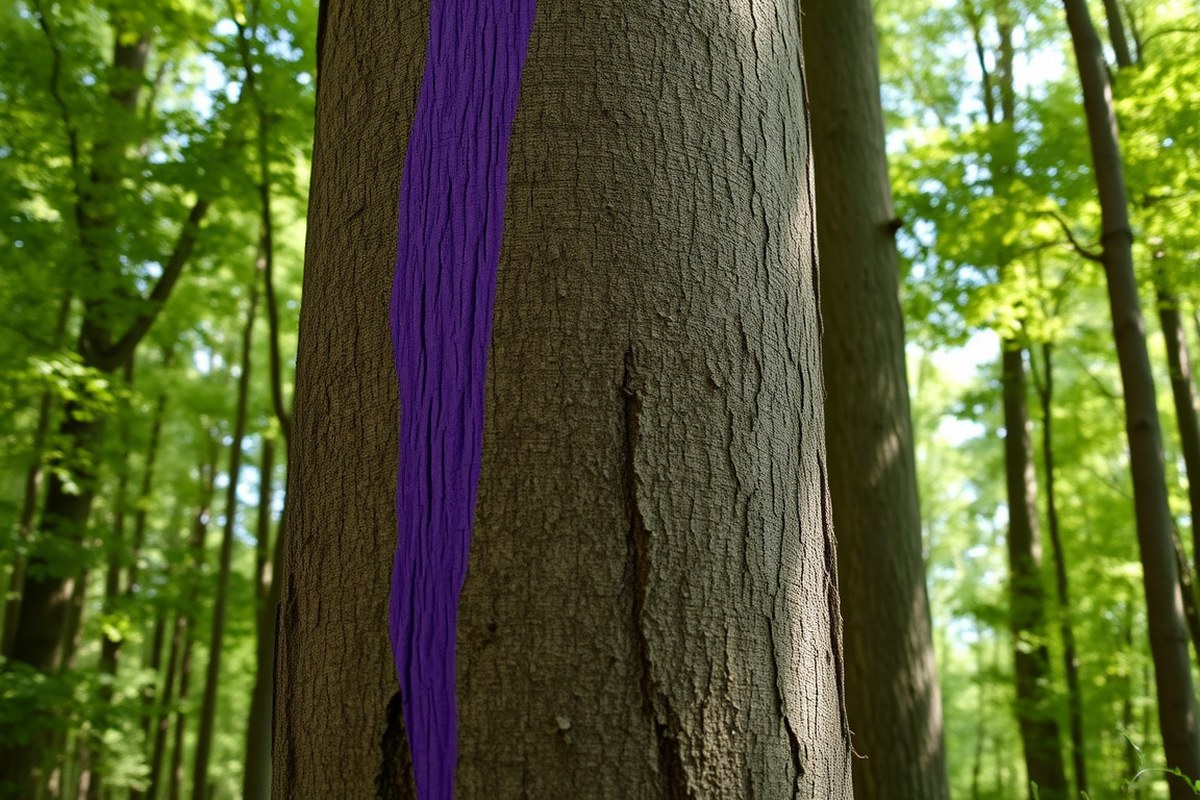
What does purple paint mean on trees? Purple paint marks usually indicate private property boundaries, serving as a legal alternative to traditional “No Trespassing” signs. These vertical purple stripes warn hikers, hunters, and visitors that they are approaching or crossing private land. Noticing this paint helps you respect property lines and avoid unintentional trespassing.
Typically, the paint appears as vertical strips about 8 inches long and 1 inch wide, placed at eye level on trees or posts along property lines. Recognizing these markings early can prevent legal trouble and unwanted entry onto private land.
Key Takeaways
- Purple paint marks are commonly vertical stripes 8 inches high and 1 to 2 inches wide on trees or posts.
- The paint markings must be visible, usually placed 3 to 6 feet above ground for clear sight.
- These marks replace physical “No Trespassing” signs to flag private property boundaries legally.
- States regulate the spacing of paint marks along boundaries, typically 15 to 25 feet apart.
- Ignoring purple paint boundary marks can result in fines up to $2,500 and possible jail time.
- Reapplying paint regularly keeps markings visible and maintains their legal effectiveness.
What Does Purple Paint on Trees Indicate?

Purple paint on trees mainly marks where a property line lies and warns people not to enter without permission. Landowners use vertical purple stripes, typically 8 inches wide and 3 feet tall, painted at eye level on boundary trees or posts. This visual marker indicates that the area beyond is private land and unauthorized access could be considered trespassing. In several states, this purple paint serves as a lawful substitute for conventional “No Trespassing” signs.
Using purple paint instead of signs comes with several benefits. Paint markings are more durable and less likely to be stolen, vandalized, or damaged by weather. They provide a consistent, highly visible indicator that can be seen from a distance along wooded or rural borders where signs might be obscured or less permanent. Applying paint along the property limits simplifies boundary identification for neighbors, hikers, hunters, and others who might wander near the edges of private land.
The legal weight of purple paint markings depends on state laws that explicitly recognize them as equivalent to posted no trespassing signs. In states like Texas, Montana, and Idaho, where purple paint laws exist, the markings must follow specific standards. For example, Texas requires marks to be 12 to 18 inches from the ground, at least 8 inches long, and visible, with an expected duration of at least three years. Montana mandates a continuous line of paint applied every 100 feet along the property line. Properly applied and maintained according to local rules, purple paint carries the same legal force as a standard “No Trespassing” sign. Trespassing beyond purple paint boundaries can lead to fines or criminal charges just as it would with posted signage.
To implement this marking, a landowner should first verify local or state requirements regarding the height, length, and spacing of the paint marks. Applying vertical lines using durable, weather-resistant purple paint ensures the marks remain visible for several years, often around one to three years before reapplication may be needed. The process typically involves walking the property boundary and painting every marked tree or post to create a clear, continuous boundary indicator. Landowners often choose a paint designed specifically for forestry or property marking, which usually costs between $15 and $30 per quart and covers multiple trees depending on the application thickness.
Properly applied purple paint on trees provides a cost-effective, legally recognized method to communicate private property boundaries and restrict unauthorized entry. Neglecting to maintain these marks or failing to follow legal standards can reduce their visibility and weaken their legal standing. Visitors who encounter purple paint should understand it is a clear signal that the area is private and respect the property owner’s rights to avoid trespassing consequences.
Which States Enforce Purple Paint Laws and How Do They Vary?
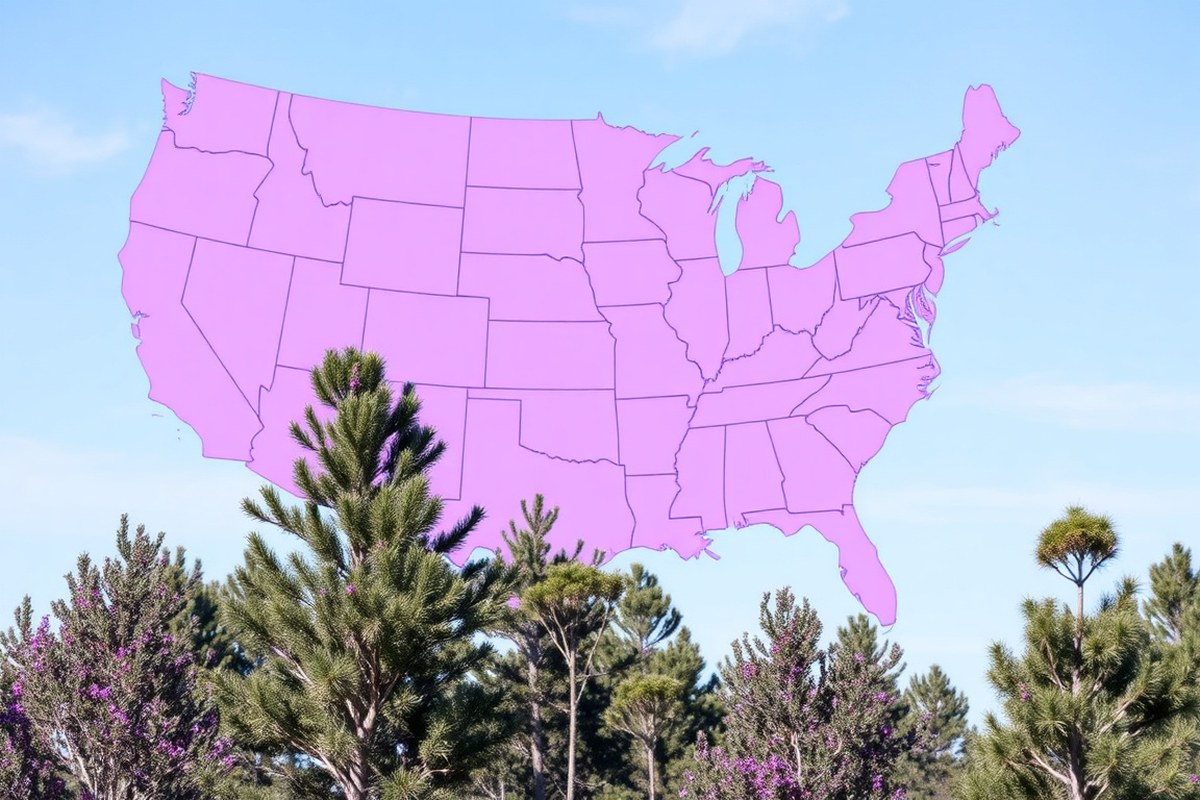
Purple paint marks on trees are legally recognized as a property boundary and no-trespassing sign in over 20 U.S. States. States have adopted specific purple paint laws or regulations to provide a clear, simple way for landowners to mark boundaries, especially in rural or wooded areas where posting physical signs might be difficult. However, marking requirements such as paint size, placement, and frequency vary by state, which affects how you should apply and interpret these purple lines.
| State | Purple Paint Law/Regulation | Marking Specifications |
|---|---|---|
| Texas | Texas Department of Agriculture’s “Purple Paint Law” (since 1990s) | Marks about 8 inches long, 1-2 inches wide, 3-5 feet above ground |
| Pennsylvania | Enforced by Pennsylvania Game Commission (PGC) and Department of Conservation | Similar size markings; acts as a legal trespassing warning |
| Florida | Officially recognized no-trespassing indicator via purple paint | State-specific size/distance rules; typically matches those in Texas |
| Maine | Uses purple paint for no-trespassing signage; regulated under state law | Marking size rules vary; consult local guidelines |
| Arkansas | Legally equivalent to posted signs for no trespassing | Standard paint mark dimensions and placement mandated |
| Oklahoma | Recognizes purple paint as official no-trespassing marker | Markings must meet state size and height requirements |
Other states have adopted purple paint laws or similar regulations, but some choose different colors like orange, blue, silver, yellow, or red to mark property boundaries or restricted areas. In certain states without formal purple paint laws, such as New York, landowners are starting to use purple paint for boundary marking, but without legal codification, these marks might not carry the same enforceable weight.
Always check your particular state’s official rules before applying purple paint; improper marking can fail to provide legal protection and may lead to disputes or penalties.
The differences in marking size and placement are important because they ensure the purple paint is clearly visible and legally recognized. For example, most states require paint marks to be roughly 8 inches long and 1 to 2 inches wide, placed about 3 to 5 feet above ground. The distance between marks also matters; regularly spaced markings help people understand where property limits begin and end.
Understanding these variations matters when you apply purple paint for boundary marking or interpret its presence on land you’re visiting. Proper compliance with state rules means purple paint can substitute for traditional no trespassing signs, offering an affordable and universally readable method to prevent unwanted entry onto private land.
How to Recognize a Valid Purple Paint Marking on Trees
Valid purple paint markings on trees follow specific standards that help you tell them apart from random marks or paint stains. These markings are carefully sized, positioned, and spaced along property boundaries to serve as clear no-trespassing signs. Recognizing these features ensures you understand the intended message and avoid confusion with other purple paint uses or accidental stains.
Standard Dimensions of Purple Stripes
Legitimate purple paint marks on trees usually consist of vertical stripes rather than random blotches or splashes. These stripes are about 8 to 12 inches tall and roughly 2 to 3 inches wide, which makes them easy to see without overpainting the tree. The paint should be durable and opaque to withstand weather changes and remain visible over time.
Typical purple paint markings appear as solid vertical lines or rectangles rather than dots, horizontal lines, or irregular shapes. The uniformity of these marks helps differentiate legal boundary indicators from paint drips, graffiti, or natural discolorations such as fungi or bark stains.
Correct Height Above Ground
Properly applied markings sit between 3 to 4 feet above the ground or about 36 to 48 inches high on the tree trunk. This height ensures the marks are at eye level for most adults passing by, improving visibility for hikers, hunters, and surveyors alike. Some states or regions recommend slightly lower placement, around 12 to 18 inches, especially in areas where snow cover or underbrush limits sight lines closer to the ground.
The consistent height across boundary lines helps confirm the paint’s purpose as a property marker rather than a random decoration or incidental paint transfer. It also enables law enforcement or land managers to verify boundaries without ambiguity.
Spacing and Interval Guidelines
Spacing between individual purple paint marks depends on the terrain and land use but generally follows guidelines designed to maintain continuous visual warning. Typical intervals range from 20 to 50 feet between painted trees or posts, creating an unbroken line to indicate the property boundary clearly.
For uneven or heavily wooded terrain, marks might occur closer together to maintain visibility, especially around bends, corners, or areas with dense vegetation. Frequent intervals prevent accidental crossing and reduce disputes about exact boundary locations.
- Marks appear as vertical solid stripes 8, 12 inches tall and 2, 3 inches wide
- Paint applied between 36, 48 inches above the ground, or sometimes 12, 18 inches in snowy areas
- Spacing ranges from 20 to 50 feet apart depending on visibility
- Consistent height and shape differentiate legal marks from random paint or stains
- Use of durable, weather-resistant paint ensures long-lasting visibility
- Authorized personnel typically apply these marks per local regulations
Checking these characteristics helps you recognize a legitimate purple paint property boundary mark. This knowledge aids in respecting property rights and avoiding unintentional trespassing on private land.
Other Uses of Purple Paint on Trees Beyond Property Boundaries
Purple paint on trees can signal more than just property boundaries. Utility companies often use purple paint to mark trees for removal, especially when tree limbs or trunks interfere with power lines or other infrastructure. These markings are typically accompanied by other colors like orange or yellow that indicate the location of underground cables or pipelines. When you see purple paint in this context, it usually means the tree is scheduled for cutting to maintain safety around utilities.
Environmental or forestry management teams also apply purple paint to designate trees selected for treatment, such as thinning or pruning. This practice helps foresters identify specific trees in a large area without using physical tags or flags that can be lost or damaged. These marks guide crews in managing forests for health, fire risk reduction, or habitat improvement. The purple paint used here is durable and weather-resistant, costing roughly $3 to $7 per tree, depending on the paint type and application method.
Distinguishing purple paint used for property marking from utility or arborist purposes can be tricky. Typically, property boundary markings are applied as vertical lines about 8 to 12 inches long at eye level on the side facing the property line. Utility-related purple paint may appear next to other painted marks, such as orange for underground cables or red for electrical lines, often in clustered patterns near infrastructure. Arborist or forestry-related markings may include numbers or additional symbols indicating treatment schedules or tree conditions.
If you encounter purple paint on trees and are unsure of its purpose, check for other painted colors nearby or signs indicating utility work. Contacting local utilities or forestry departments can clarify intentions behind the markings. For example, a utility company will provide information if the paint signals tree removal for power line clearance. Being proactive can prevent misunderstandings, such as mistakenly assuming a tree is flagged for property boundary when it is marked for removal or special care.
Using purple paint for these alternative purposes matters because it provides a clear, low-cost way to communicate specific instructions related to tree management or infrastructure safety. The paint’s high visibility and durability help crews identify targets efficiently and reduce errors. Problems can arise if marks fade quickly, overlap with other colours, or if unauthorized painting occurs, which complicates interpretation and leads to costly mistakes like unintended tree cutting or property disputes.
Legal Implications and Trespassing Penalties Related to Purple Paint
Purple paint on trees serves as a legally recognized boundary marker that replaces traditional “No Trespassing” signs in many states. This marking notifies the public and hunters that entry beyond the paint is prohibited without permission from the landowner. Using purple paint addresses issues such as signs being damaged, removed, or obscured, offering a more permanent and visible boundary indicator. The paint itself must meet specific size and placement requirements in each jurisdiction to be legally enforceable.
Penalties for trespassing beyond purple paint markings vary by state but often include fines ranging from $50 to several hundred dollars. In some cases, repeat violations or trespassing with intent to commit a crime can lead to increased fines or even misdemeanor charges. The legal standing of purple paint means that law enforcement and courts treat these markings as official no-entry notices. Landowners may report violations, and offenders can be prosecuted similarly to those ignoring posted signs.
These laws protect private landowners, including farmers, hunters, and recreational property holders, by enabling them to mark their property with minimal cost and maintenance. They also provide clear guidance to hikers, hunters, and outdoor enthusiasts, helping avoid accidental trespassing and potential confrontation. Landowners choosing to use purple paint must ensure the markings follow state standards, for example, paint lines are typically required to be at least 8 inches long and placed 3 to 5 feet above the ground at intervals of 100 to 200 feet along the property line.
Adopting purple paint eliminates the need to install and maintain multiple physical signs, which can be expensive and susceptible to weather or vandalism. It also helps maintain the natural aesthetics of the land, important for properties valued for their outdoor or recreational use. However, landowners should carefully consider the paint’s visibility during different seasons and lighting to ensure it serves its legal function effectively. Poorly maintained or inconsistently applied markings risk being challenged in court.
Check your state’s specific requirements for purple paint markings before painting; failure to comply may invalidate your boundary notice and limit legal protection.
While purple paint replaces traditional signs legally in the states that recognize it, it does not give broader property usage rights to the public. Trespassing laws and penalties apply equally whether the boundary is marked with paint or signs. In some jurisdictions, these laws also cover hunting restrictions indicated by purple paint, making it a useful tool for landowners who want to control access for recreational or safety reasons. These protections extend to heirs, lessees, and tenants of the property as well, reinforcing the right to exclude unauthorized visitors.
This approach benefits both parties by reducing disputes and clarifying boundary lines in a way that is easy to recognize. Outdoor enthusiasts should respect purple paint marks as serious warnings of private property boundaries to avoid fines or legal trouble. Staying informed about your local laws ensures you understand your rights as a landowner or as a guest in the outdoors, making purple paint a valuable legal instrument in property management and outdoor recreation regulation.
Step-by-Step Guide to Applying Purple Paint on Trees Legally
Applying purple paint to mark property boundaries requires specific materials, placement, and maintenance to meet legal standards. Follow the correct steps and check local rules before starting to ensure your markings are clear, lasting, and enforceable.
Choosing the Right Paint and Tools
Select a high-quality, exterior-grade purple paint formulated for outdoor use on wood surfaces. Typically, oil-based or latex-based paint works well, but confirm it meets your state’s color and durability requirements. Using paint designed for tree marking can help it adhere better and resist fading from sun and rain.
Gather tools such as a paint brush or spray applicator, gloves, and protective clothing. Avoid using roller brushes or large paint pads, as small, precise marks are often legally required. A ladder or step stool may be necessary for higher marks on larger trees.
Marking Location and Size Requirements
Consult your local or state statute for specific instructions on where and how to paint. Common regulations require vertical stripes at least 8 to 12 inches tall and 1 to 3 inches wide, typically placed at eye level, about 4 to 5 feet above the ground on the side facing adjacent properties. Marks should appear on trees visible from property lines or common access paths.
Many laws specify spacing between marks, often between 100 and 250 feet along the boundary line. Maintaining these intervals creates a continuous visual boundary without gaps that could confuse trespassers. Avoid painting on dead trees or sensitive environmental areas to prevent complications.
Maintaining and Refreshing Marks
Paint will naturally fade over time due to weather exposure. Plan on inspecting the marked boundaries annually and refreshing the paint at least every 2 to 3 years to maintain visibility and legal effectiveness. More frequent reapplication might be needed in areas with heavy sun, rain, or snow.
Maintain a simple log noting the dates and locations of paint application and refreshes. This record can help prove that you properly marked your property if disputes arise. Avoid over-painting, which can confuse property lines or damage tree bark.
- Check local laws. Verify the exact size, color shade, and placement requirements for purple paint boundary marks in your area before purchasing materials.
- Purchase proper paint. Choose exterior-grade, durable purple paint specifically formulated for marking trees or wood surfaces.
- Prepare tools. Gather a small paintbrush, gloves, ladder or step stool if needed, and protective clothing.
- Select trees. Identify trees along your property boundary, focusing on healthy, visible trees at eye level on the boundary side.
- Apply paint. Paint vertical stripes measuring roughly 8 to 12 inches tall and 1 to 3 inches wide, spaced as required (usually 100 to 250 feet apart), on each tree.
- Allow drying. Let paint dry fully according to product instructions to avoid smudging and ensure durability.
- Document. Record the date and locations of painted trees in a log to track maintenance.
- Inspect regularly. Check marks annually and refresh paint every 2 to 3 years to keep boundaries visible and legal.
How to Respond When You Encounter Purple Paint While Hiking or Hunting
Seeing purple paint on trees means the land you are approaching is privately owned, and entering without permission could be trespassing. The vertical purple stripes, usually about 8 inches long and 1 inch wide, serve as a legal notice indicating property boundaries. For hikers and hunters, recognizing these marks tells you to stop and respect the landowner’s rights. Avoid crossing beyond the painted trees unless you have explicit permission from the owner. These marks are intended to prevent disputes and ensure safety by clearly marking where public access ends.
You should treat purple paint marks as a firm boundary. The simplest rule to follow is: if you see purple paint on a tree, do not enter. This applies whether you are hiking, hunting, or foraging. The paint replaces fences or “No Trespassing” signs in many rural areas and is recognized by law in states like Texas. Entering marked areas without consent risks legal consequences and conflicts with property owners. Even if there are no signs other than the paint, the presence of purple stripes means the property is off-limits.
When unsure about the exact property lines or what the paint means in a certain area, you should contact local authorities or the landowner whenever possible. You can reach out to the county assessor’s office or a local land management agency to verify boundaries. Hunters might also contact the local wildlife or agricultural department for guidance. Avoid guessing or assuming access rights based on incomplete information; confirming the boundaries helps prevent unintended trespassing. When the marked tree is on your property and you have questions about the paint, it’s best to contact the utility company or the responsible party for the marking.
Respecting purple paint is not only about legality but also about maintaining good relationships in the outdoors. Stay on approved trails and public land, observe posted warnings, and seek permission for private land access. Planning to continue your activity near a marked boundary means you should plan your route carefully or get permission beforehand. In situations where no contact information is available, err on the side of caution and avoid crossing purple paint boundaries. This approach keeps you safe, legal, and respectful of landowners’ rights.
By following a clear decision rule, stop at purple paint, verify boundaries if unsure, and avoid entering without permission, you protect yourself from potential trespassing charges and uphold ethical outdoor conduct. This simple action takes no more than a few minutes of checking resources or making calls but can prevent bigger problems. Doing so respects private property and fosters positive outdoor experiences for everyone involved.
Common Misconceptions and How to Avoid Mistakes with Purple Paint Marks
Not every purple mark on a tree means no trespassing, but many do. Some marks might be natural stains or unrelated to property boundaries. Being cautious about how you respond to purple paint can prevent misunderstandings and legal issues.
Distinguishing Paint from Natural Stains
Purple paint usually stands out because it forms distinct, uniform marks or stripes on tree trunks, often applied at consistent heights or intervals along property lines. Natural stains, like sap discoloration or fungal growth, tend to be irregular and patchy without a clear pattern or sharp edges. You can sometimes notice a slight texture difference since paint creates a smooth, dry layer, while natural stains soak into the bark or wood.
To check if a mark is paint, you can gently rub it with a damp cloth or rinse with water. Fresh paint will resist washing off, while some stains may fade or dissolve slightly. Avoid using harsh chemicals or scraping aggressively, as this can harm the tree’s bark or spread unwanted chemicals in the environment.
How to Confirm Markings with Local Authorities
Reach out to your local or county land management office to learn whether purple paint on trees in your region marks property boundaries or serves other purposes. Many states require landowners to use purple paint to identify their land, giving these markings the same legal weight as no-trespassing signs. Local offices often have maps or legal documents to help you understand these paint marks accurately.
Spotting unfamiliar purple paint on trees during a hike or hunt means contacting a nearby ranger or the landowner to confirm if crossing is allowed and avoid trespassing. They can confirm whether the marks indicate private land, restricted zones, or perhaps a different purpose like forestry treatments or herbicide application.
Avoiding Trespassing and Property Disputes
Respecting purple paint marks by not crossing them without permission reduces conflicts and legal trouble. Unsure what a purple paint mark signifies? Stay on established public paths or get direct permission from the landowner before proceeding. Ignoring purple paint may lead to criminal trespass charges in many states where these markings hold legal weight.
For landowners applying purple paint, ensure marks are placed every 100 to 300 feet at a consistent height, visible from common access points. Clear, well-spaced marks help others recognize boundaries and prevent accidental entry. Avoid placing paint in places where natural discoloration might confuse viewers.
Never ignore purple paint on trees near your path; when uncertain, ask for permission or keep out to avoid legal trouble.
Step-by-Step Action Plan for Handling Purple Paint on Trees
Use these steps to correctly interpret and respond to purple paint markings on trees in your area.
- Before you hike or hunt: Check local laws about purple paint markings to understand their meaning and legal weight in the state you’ll be in. This helps you avoid unintentional trespassing.
- Day 1 on site: Watch for purple paint marks on trees to identify property boundaries or restricted areas. Spotting these early keeps you aware of limits to your access.
- Within your visit: Respect purple paint marks by staying out of those marked areas unless you have explicit permission. Compliance protects you from trespassing penalties.
- After your visit: Report any unclear or suspicious purple paint markings to local land management or property owners. This aids community safety and land use clarity.
- Before applying paint yourself: Consult your state’s guidelines on using purple paint for boundary marking. Following the official process ensures your markings are legally recognized.
- After applying paint: Keep documentation of where and when you marked trees with purple paint. This can serve as proof if disputes arise.
- Ongoing: Educate friends and other outdoor enthusiasts about purple paint meaning and legal responsibilities. Awareness reduces accidental trespassing and misinterpretation.
Frequently Asked Questions
Why Do Some Utility Companies Use Purple Paint on Trees?
Utility companies apply purple paint to mark areas with underground lines like fiber optics or water, helping avoid accidental damage during digging. Call before you dig services can provide more info on local utility markings.
How Tall Should Purple Paint Markings on Trees Be?
Purple paint marks are generally about 3 feet long and 8 inches wide, placed at eye level to ensure visibility. This sizing is common in states with purple paint laws to clearly indicate property boundaries.
Can Purple Paint Indicate Environmental Protections on Trees?
Yes, purple paint sometimes marks trees or areas protected for environmental reasons, like conservation zones or preservation efforts. This helps land managers enforce rules against cutting or altering these marked trees.
Are Purple Paint Markings Recognized Nationwide in the US?
Purple paint laws and recognition vary by state; not all states have legal backing for these markings. Always confirm local regulations before relying on purple paint as a no-trespassing sign.
Can Purple Paint on Trees Be Removed Legally by Anyone?
Typically, only the property owner or authorized personnel can remove purple paint on trees, as it’s a legal marker for boundaries or protections. Removing it without permission may lead to penalties.
How Long Has Purple Paint Been Used for Marking Property Lines?
The practice began in the 1990s in Texas and gradually spread as an alternative to signs for marking no-trespassing zones. It offers a durable and less intrusive way to communicate private boundaries.
Key Points to Remember
Purple paint on trees serves as a clear, legal boundary signal to keep trespassers off private property. Recognizing these marks and acting accordingly protects you legally while respecting landowners’ rights. Take time to understand local laws where you explore and stay alert for these visual clues to boundaries. Next, plan a hike or hunt with this knowledge in hand to stay safe and lawful on the land.