How to Make a Car Door Sign: A Complete Guide with Materials & Design Tips
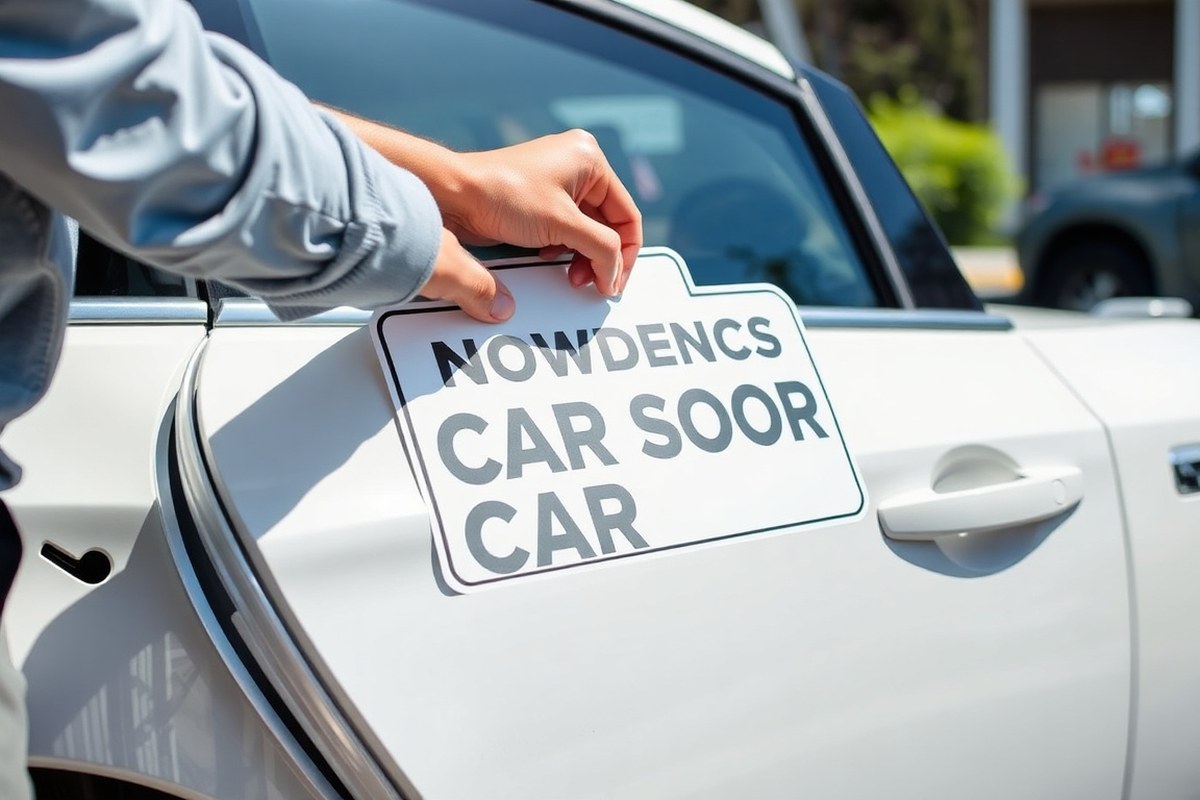
Knowing how to make a car door sign begins with choosing durable materials and the right size for clear visibility. Use heavy-grade magnetic sheeting or vinyl to ensure your sign sticks well and lasts through weather changes. Start by measuring your car door precisely to create a sign that fits perfectly and attracts attention without obstructing views.
Key Takeaways
- Select vinyl or heavy-grade magnetic sheeting for long-lasting car door signs that withstand weather conditions.
- Measure your car door carefully before designing to ensure the sign fits without covering windows or handles.
- Standard sizes like 12″ × 18″ work well on most car doors for clear, unobtrusive visibility.
- Design simple, bold graphics with high contrast colors to improve readability from a distance.
- Use die-cut shapes like rectangles or squares that suit your vehicle’s style and space.
- Apply signs on clean, dry surfaces to maximize adhesion and avoid bubbles or peeling.
How to Make a Car Door Sign Step-by-Step

Making a custom car door sign involves a clear process of designing your graphic, printing it on the right material, and applying it carefully to your vehicle’s door. Starting with an accurate design ensures your message is visible and professional, while proper printing and application maintain the sign’s durability and appearance on your car. Following the right steps helps avoid bubbles, misalignments, or fading, which can weaken the impact of your advertising.
Use an online design tool to create your car door sign. Choose the shape and size that fit your car, common sizes include 12″ × 18″ magnets or 12″ round and square shapes. Incorporate your logo, contact info, or a call to action using the templates available. After your design is complete, you can print it yourself on blank sheets suitable for adhesives or magnets, or order professional printing and delivery. Professional services typically check your file and produce full-color, weather-resistant signs printed on flexible magnetic sheets or vinyl decals.
- Create Your Design: Start by selecting your sign size and shape online from options like 12″ × 18″ rectangle or smaller 8″ × 16″ sets. Use the design tool to add text, logos, and images. Keep the layout simple, using large fonts and high-contrast colors for readability. Save your design to your account if you want to edit or reorder later.
- Choose Printing Method: Decide between printing at home or ordering professionally. For DIY printing, use blank adhesive or magnetic sheets designed for standard inkjet or laser printers. Professional printing costs typically start around $20 for design services, with magnets and decals printed on durable materials that resist weather and UV rays.
- Prepare the Car Door: Clean the door surface thoroughly with soap and water, then wipe with a degreaser or rubbing alcohol. Make sure the surface is dry and free of dust or wax to ensure better adhesion or magnetic grip.
- Print or Receive Your Sign: If printing yourself, follow your printable media instructions carefully and let your sign dry completely before handling. If ordering, inspect the printed sign upon arrival to confirm colors, size, and condition match your design.
- Apply the Sign: For magnetic signs, place the magnet flat on the steel door and press evenly from the center outward to avoid air bubbles. For adhesive decals, align the sign and slowly apply it while smoothing with a squeegee or credit card to prevent wrinkles or trapped air.
- Check Placement and Fit: Step back and visually confirm the sign is straight and fully visible from typical viewing angles. Adjust immediately if needed before adhesive sets or magnet grips fully.
- Allow Time to Settle: Let adhesive decals cure as per manufacturer instructions, usually 24 to 48 hours, before washing or exposure to severe weather. Magnetic signs can be removed and repositioned easily but should be cleaned regularly to maintain suction and avoid rust.
Choosing the Right Materials for Your Car Door Sign

Selecting the right material for your car door sign depends on how long you want the sign to last, how easy you want it to be to apply and remove, and the type of vehicle you have. Two common materials are heavy-grade magnetic sheeting and vinyl sheets, each offering different benefits for vehicle advertising.
Magnetic signs usually come in 20 mil thickness and attach quickly to steel car doors. They support full-color printing from your artwork and peel off in seconds without tools, making them excellent for temporary signage that you can swap between vehicles or remove on weekends. Their magnetic backing is safe on paint but requires a flat metal surface for a strong hold. Always remove magnets periodically to clean the area and let the paint breathe, preventing potential damage from dirt or moisture trapped underneath.
Vinyl signs use waterproof sheets with strong permanent adhesive and UV resistance for longer-lasting outdoor use. They’re suited for vehicles where magnets won’t stick, like aluminum-bodied cars, and can be applied to flat areas with minimal curves. Easy Stick Vinyl is a popular option for non-magnetic surfaces, giving a secure bond while removing cleanly without damaging the paint. Vinyl signs generally offer better durability against weather and fading but need more attention during application to avoid bubbles and wrinkles.
| Material | Thickness | Adhesion Type | Durability | Surface Suitability | Paint Safety | Typical Use Case |
|---|---|---|---|---|---|---|
| Heavy Grade Magnetic Sheeting | 20 mil | Magnetic | Temporary (weeks to months) | Flat steel surfaces only | Safe if regularly cleaned and removed | Temporary or weekend removals |
| Waterproof Vinyl Sheets | Variable (~3-5 mil) | Strong permanent adhesive | Long term (months to years) | Flat or slight curves, steel or aluminum | Safe if removed properly | Permanent or long-term signage |
| Easy Stick Vinyl | Variable | Removable adhesive | Medium term (months) | Non-magnetic metal (aluminum) | Designed for paint safety | Non-metal or aluminum vehicles |
Magnetic signs cost roughly between $30 and $100 depending on size and full-color print, while vinyl signs vary more widely based on custom size and design complexity. If you expect to change signs frequently or share signage across multiple vehicles, magnetic material offers the best flexibility with no risk to your paint when cared for correctly. Vinyl is a better fit if you want signage that withstands rough weather and stays put for longer periods.
Regularly remove magnetic signs to clean the car door surface and avoid moisture buildup that can damage the paint over time.
Using vinyl requires smooth application on a clean, dry surface to avoid air bubbles and ensure maximum adhesion. For aluminum-body vehicles, the Easy Stick Vinyl option allows safe, temporary advertising with clean removal, especially useful if magnets won’t stick. Make sure to measure the flat areas on your door away from handles or curves to select the right size and avoid peeling edges.
Measuring and Designing Your Custom Car Door Sign
Accurately measuring your car door and selecting a clear design ensures your custom sign fits perfectly and communicates your message well. You’ll want precise measurements of the door’s flat surface and a design that’s easy to read from a distance. Using templates can speed up the process, but customizing your own design helps it match your branding and car style.
Measuring the Door Surface Correctly
Begin by cleaning the area of the door where the sign will go, so you can see any contours or edges clearly. Use a tape measure to record the width and height of the largest flat area on the door’s exterior, avoiding handles, mirrors, and curves. Measure in inches for printing services based in the US, and note any areas to avoid, like trim or indentations that might distort a flat sign. Check your measurements twice to avoid costly errors. Write down these key points:
- Total width and height of the flat door section
- Distances from door edges to handles and other obstacles
- Curvature or irregular surfaces that might affect sign placement
- Space left for lettering or logos without overcrowding
- Clearance to ensure door functionality isn’t compromised
Including a small margin of about 0.25 to 0.5 inches around the sign edges prevents it from appearing cramped or peeling at the curves.
Design Elements That Improve Readability
The design must be visible from a distance, especially if the vehicle moves through traffic or parks in busy areas. Use high-contrast colors between the background and text or graphics. For example, white text on a dark background, or vice versa, works well in almost any lighting.
Large, bold fonts like sans-serif styles improve readability. Keep text sizes above 1.5 inches tall for messages viewed from 10 feet or more. Limit the number of fonts to one or two to avoid clutter. Clear icons or logos placed alongside text grab attention without reducing readability.
Simplicity increases impact. Avoid complicated backgrounds or excessive wording. Focus on your business name, phone number, and a brief tagline if needed. This approach reduces confusion and keeps your sign memorable.
Using Templates vs Creating Your Own Design
Starting with customizable templates saves time and provides tested layouts for business signs and safety notices. These templates often come with placeholder text and balanced graphic positions, ensuring your sign looks professional. You can adjust colors, fonts, and icon placement to fit your brand.
Custom designs provide full control but require more effort in layout and typography. Many printing services offer design assistance, contacting you within one to two business days to help finalize your artwork. Saving your designs allows you to reorder or update your sign easily in the future. Consider these options based on your needs:
- Template use for quick, polished results with minimal design experience
- Custom design for unique branding elements or complex messages
- Consulting professional design support when unsure about layout or visibility
Magnetic Car Door Signs: How They Work and When to Use Them
Magnetic car door signs stick to vehicles by using magnetic sheeting, a flexible material embedded with tiny magnetic particles. This sheeting creates a strong hold when placed on a ferromagnetic surface, such as steel or iron. The thickness of magnetic sheeting varies, but common options range from 20 to 30 mils (0.5 to 0.75 millimeters), which balances durability and flexibility. The adhesive side typically carries your printed design, made from vinyl or laminated materials for weather resistance. This combination lets you apply your custom sign to the car door with a firm grip that won’t damage the paint.
Magnetic signs work best on cars with steel doors because the magnetic particles attract to the metal surface. Signs will not adhere properly to aluminum, fiberglass, or plastic panels. Most passenger cars today have steel doors, but some trucks or light-duty vans might use aluminum or composite materials. Before ordering magnetic signs, check the metal content on your vehicle’s door. This will save you time and money by choosing a sign suited for your surface.
One of the biggest advantages of magnetic car door signs is their easy removal and repositioning. You can simply peel the sign off and place it on another steel surface without leaving residue or harming the paint. This makes magnetic signs perfect if you run a small business with multiple vehicles or want to switch signs between vehicles periodically. It also lets you “go incognito” by removing the sign when you want a less noticeable look. A 12″ by 24″ sign fits well on most truck or van doors, providing ample space for logos and contact information without overpowering the door’s appearance.
Despite their convenience, magnetic signs do have limitations. They can lose strength in extreme weather conditions, such as prolonged heat above 120°F or freezing below 32°F. Strong winds or high speeds may cause edge lifting or vibration. Magnets do not stick well if the surface is dirty, uneven, or has paint damage. Maintenance includes regular cleaning both the car door and the magnet to ensure maximum adhesion. Magnetic signs tend to cost between $20 and $100 depending on size and print quality, making them an affordable advertising option compared to printed vinyl decals or wraps.
Magnetic signs are the best choice if you need a temporary or portable advertising solution, want to protect your vehicle’s paint from adhesive residues, or operate several vehicles sharing the same branding. Avoid using magnetics if the door is non-metallic, warped, or you require a sign that withstands long-term exposure without adjustment. In those cases, permanent vinyl decals or wraps may provide better durability despite being less flexible.
Preparing Your Car Door Surface Before Applying the Sign
Cleaning and preparing the car door surface is essential for making sure your sign sticks properly and lasts a long time. Dirt, dust, grease, or moisture on the door can prevent good adhesion for decals or cause magnets to slide, reducing the sign’s visibility and durability. A smooth, dry, and flat surface helps the sign lay evenly without bubbles or edges peeling up prematurely.
Start by washing the car door with mild soap and water. Use a soft cloth or sponge to remove any dirt and road grime. Rinse the area well and dry it completely with a clean microfiber towel. Avoid using harsh chemicals or abrasive scrubbers, as they can damage the paint or leave residues that interfere with adhesion.
After washing, wipe the surface with isopropyl alcohol (rubbing alcohol) on a lint-free cloth to remove any leftover oils or wax. This step is especially important before applying adhesive decals or stickers. Let the door air dry for at least 10 minutes to ensure all moisture evaporates.
Inspect the surface closely. Avoid applying signs over damaged paint, rust spots, or uneven panels. Such imperfections reduce how well decals stick and can cause magnets to catch on rough patches. Signs last longer when placed on painted metal doors without dents or chips.
- Clean with mild soap and water, then rinse thoroughly.
- Dry completely with a microfiber towel.
- Wipe down with isopropyl alcohol to remove oils and wax.
- Wait 10 minutes for the surface to dry before applying.
- Avoid rusty, chipped, or uneven areas on the door.
- Do not apply signs to aluminum or plastic panels if using magnets.
Preparation affects the longevity of your sign noticeably. Properly cleaned surfaces allow decals to adhere firmly for years and keep magnets from slipping or scratching the door paint. Skipping steps can cause bubbling, peeling, or magnet fading due to improper contact.
Do not try to apply aftermarket signs when the surface or air temperature is below 50°F; cooler temperatures reduce adhesive effectiveness and increase the risk of sign damage.
For magnetic signs, check that the door panel is magnetic steel. Aluminum, fiberglass, or plastic will not hold magnets at all. Decals and stickers require a dry surface free from waxes, so rechecking the area just before application can save you from adhesion problems later. Taking 10 to 15 minutes for proper cleaning and drying is a small investment compared to replacing a damaged or lifted sign.
Design Tips for Effective and Visible Car Door Signs
Effective car door signs use color, font, size, and layout to ensure your message grabs attention and is easy to read, even from a distance. Prioritize high contrast, clear fonts, and a clean design that includes only essential details so drivers and pedestrians can quickly understand your information.
Choosing High-Contrast Colors
Select colors that create strong contrast between text and background to improve visibility. For example, black text on a white or yellow background works well in daylight and low-light conditions. Avoid colors that blend together or are difficult to distinguish, such as dark blue on black or red on green.
Use UV-resistant inks or laminates for your sign to keep colors bright and prevent fading from sun exposure. This durability is especially important if your vehicle is parked outdoors for long periods. For heavy-duty sites with moisture or chemicals, consider materials rated for abrasion and weather resistance, so your colors stay vibrant.
Selecting Readable Fonts and Sizes
Choose simple sans-serif fonts like Arial, Helvetica, or Futura for clear readability. Avoid overly decorative or condensed fonts that can be hard to read quickly. Maintain a minimum font size of 2 inches tall for your primary message to ensure visibility from 20 feet away or more. Secondary text, such as contact details, should be at least 1 to 1.5 inches tall.
Organize text in a hierarchy: the business name or main offer in the largest font, followed by your phone number or website in a smaller size. Keep line spacing generous to prevent crowding. Align text left or centered rather than justified to maintain clean edges and simplify reading.
Including Key Information Without Clutter
Simplicity fosters quick comprehension, so limit your sign to 3 to 5 essential elements. Include your logo to build brand recognition but keep it small enough not to overpower text. Add a phone number or website, but avoid long URLs or too many contact methods. QR codes can be useful but make sure they are placed where they won’t disrupt the layout and are at least 1.5 inches square for reliable scanning.
Use bullet points or short phrases instead of paragraphs to convey information efficiently. Leave some empty space around items to guide the eye and prevent your sign from looking cramped.
- Business name or main message in the largest font
- Logo sized proportionally, not larger than 25% of total sign area
- Contact phone number or website in a clear, readable format
- Optional QR code at least 1.5 inches by 1.5 inches
- Use concise phrases and bullet points instead of full sentences
- Leave margins and space between elements for better readability
Following these guidelines will help your car door signs stand out and communicate effectively without overwhelming viewers.
Common Mistakes and How to Fix Them When Making Car Door Signs
Applying a car door sign comes with some common challenges that can affect its look and lifespan. One frequent issue is air bubbles trapped under the sign during application. These bubbles cause an uneven surface and can lead to peeling over time. Bubbling happens because dust, moisture, or improper smoothing allows air pockets to form.
To fix bubbling, start by gently peeling the sign from one corner until you reach the bubble. Then, use a flat edge like a credit card or a squeegee to press the bubble outward slowly. For small persistent bubbles, you can use a needle to prick them and then smooth out the air. Prevent bubbles by thoroughly cleaning the door surface and applying the sign slowly while smoothing with a squeegee at a 45-degree angle. Applying in temperatures between 50°F and 75°F helps the adhesive stick well without trapping moisture.
Peeling is another common problem. Signs peel when the adhesive fails or the edges weren’t firmly pressed down. This often happens if the car door wasn’t clean or was too cold during installation. To fix peeling edges, gently lift the edge, clean the area beneath with isopropyl alcohol, and reapply while firmly pressing down. For more severe peeling, replacing the sign is usually better because peeling can worsen and lead to permanent damage to the sign’s adhesive.
Damaged signs, such as those with scratches or stretch marks from wrong removal methods, are difficult to reuse. Minor scratches might be less noticeable if the sign is flat and clean, but stretching or tearing reduces adhesion and appearance severely. Avoid damage by removing signs carefully with heat from a hairdryer or heat gun on low to soften the adhesive before peeling slowly.
- Clean the door surface with soap and water, then wipe with isopropyl alcohol before application.
- Apply the sign in moderate temperatures (50°F to 75°F) to optimize adhesive performance.
- Smooth from the center outward with a squeegee to avoid air bubbles.
- Use a hairdryer or heat gun on low when removing signs to prevent stretching and tearing.
- Inspect edges for lifting after installation and press firmly if needed within the first 24 hours.
- Store spare signs flat and away from direct sunlight to prevent warping.
Signs that have been stored improperly or exposed to extreme heat and cold may lose flexibility and adhesive strength, reducing their lifespan. Good results show a smooth, flat sign with sharp edges and no bubbles or wrinkles. Watch for early signs of peeling and address with quick reapplication before permanent damage occurs. This care ensures your car door signage stays clean and professional looking for months or even years.
Removing, Storing, and Maintaining Your Car Door Sign
Removing your car door sign carefully, storing it properly, and maintaining its condition are key to keeping your investment looking good and ready for reuse. Following the right steps protects your vehicle’s paint and ensures the sign stays effective for future advertising.
Safe Removal Techniques
Signs that attach directly to your car’s paint, such as adhesive vinyl or decals, require gentle removal to avoid peeling or damaging the finish underneath. Magnetic signs offer the easiest removal but still need care to prevent scratches and rust. Here’s a step-by-step process for removing a car door sign safely without harming the paint:
- Park the car in a shaded, cool area to keep the surface temperature below 85°F, helping adhesives soften evenly.
- If using adhesive signs, heat the edges gently with a hairdryer or heat gun on low setting to loosen the glue.
- Peel the sign slowly from one corner, pulling back at a 45-degree angle to reduce stress on the paint.
- For magnetic signs, lift each corner gently without sliding them across the paint to avoid scratches.
- Remove any leftover adhesive residue using an automotive-safe adhesive remover or rubbing alcohol; test on a small spot first.
- Wash the area with mild soap and water to remove any chemicals and dirt.
- Dry the surface completely with a microfiber towel before parking or applying a new sign.
Tip: Avoid using harsh scrapers or abrasive tools; these can cause lasting paint damage when removing stuck signs.
Proper Storage Conditions
Storing your car door signs correctly prevents warping, fading, and adhesive failure that shorten the sign’s life. Signs kept in uncontrolled environments can lose their stickiness or magnetic strength. Check your storage with these guidelines:
- Store adhesive-based signs flat on a clean, dry surface to maintain shape and prevent curling.
- Keep magnetic signs away from extreme temperatures; avoid areas below 40°F or above 90°F for long periods since magnets weaken and vinyl may deform.
- Cover signs with a breathable cloth or plastic sheet to shield from dust, dirt, and sunlight, which can fade colors.
- Avoid stacking heavy objects on top of signs, which might cause permanent dents or creases.
Proper storage can extend the lifespan of your signs by months or even years, saving you replacement costs and effort.
Routine Cleaning and Care
Regular cleaning keeps your car door signs visible and professional-looking. Dirt, road grime, and UV exposure degrade the graphics and materials over time. Maintain your signs this way:
- Use lukewarm water and mild, non-abrasive soap to wipe the sign gently with a soft cloth or sponge once every one to two weeks.
- Rinse thoroughly with clean water to remove soap residues that may attract dirt.
- Dry the sign completely with a microfiber cloth to avoid water spots or streaks.
- For magnetic signs, check edges regularly for lifting or cracking and clean both the sign and vehicle surface underneath to prevent rust or paint damage.
- Store signs indoors when not in use, especially during long periods off the road or severe weather.
Warning: Avoid pressure washers or strong chemicals that can peel vinyl graphics or weaken adhesives on your signs.
Step-by-Step Action Plan for Making Your Car Door Sign
Follow these steps to create and apply your custom car door sign effectively and safely.
- Before you start: Choose your materials based on durability and visibility, such as magnetic vinyl or adhesive vinyl. Confirm the material’s compatibility with your car’s surface.
- Day 1: Measure the car door carefully and create your design using an online tool or software. Print a test on paper and hold it against your door to check size and visibility.
- Day 2: Prepare the car door by cleaning the surface with isopropyl alcohol and allowing it to dry completely. The surface should feel clean and free of residue.
- Day 3: Cut your sign to size using a sharp blade or plotter cutting tool. Make sure edges are smooth to avoid peeling later.
- Day 4: Apply the sign carefully, starting from one edge and smoothing out bubbles with a credit card or squeegee. Check for full adhesion and no air pockets.
- After 1 week: Inspect the sign for signs of peeling or lifting edges. Re-press any loose spots or apply additional adhesive if necessary.
- After 2 weeks: Wash the area gently with mild soap and water to maintain adhesion and appearance. Avoid harsh chemicals or pressure washers.
Frequently Asked Questions
What Size Car Door Sign Is Most Visible but Not Obtrusive?
A 12″ × 18″ magnet is fully visible yet unobtrusive, ideal for most car doors. This size fits well on back or side doors without blocking windows or handles.
Can I Use a Custom Die-Cut Shape for My Car Door Magnet?
Yes, custom die-cut magnets follow your logo’s outline for unique branding. Rectangles and circles are good for phone numbers, service lists, or QR codes.
How Do Magnetic Car Door Signs Adhere to My Vehicle?
Magnetic signs stick flat on steel door panels without adhesives, allowing easy removal. They won’t damage paint but require a clean, smooth steel surface to hold securely.
Can I Pair My Vehicle’s Sign with Professional Design Help?
Some services offer designer assistance for a signature look on car door decals. This helps if you want a polished design but lack graphic skills.
What Materials Ensure Longevity for Outdoor Car Signs?
Flexible magnetic sheets with full-color UV printing resist weather and fading. Vinyl decals also last but may void warranty if improperly applied.
Are Pre-Made Franchise Car Door Magnet Sets Available?
Yes, ready-made pairs exist for delivery and franchise drivers, sized to fit most doors. These simplify branding without custom design effort.
Final Thoughts
Creating a custom car door sign involves careful design, material choice, and surface preparation to ensure durability and visibility. Applying your sign with patience and proper technique makes it easy to maintain and update. Start by measuring your car door and selecting a suitable sign material that meets your advertising needs.