How Long Can a Banner Stay Up: Practical Guidelines and Legal Limits
How long can a banner stay up depends on local laws and the banner type. Legally, temporary banners often have limits from a few days to a few weeks. Practically, banners made of durable materials can last several months outdoors, but you should consider weather and location to avoid damage or legal issues. Start by checking local regulations and plot a clear timeline for your banner’s display to ensure compliance and maximize impact without risking fines or deterioration.
Key Takeaways
- Verify municipal or property rules on banner duration before installation to avoid penalties.
- Use weather-resistant materials like vinyl for outdoor banners to extend their lifespan.
- Remove banners promptly after events or campaigns to maintain a professional appearance and comply with permits.
- Temporary permits usually allow banners to stay up 14-30 days; plan displays accordingly.
- Online banner ads should run long enough to reach target impressions but refresh regularly to avoid audience fatigue.
- Choose banner size and material based on display duration and environmental exposure.
How Long Can a Banner Stay Up Legally and Practically?
Legal restrictions on banner display times vary by location but often require that physical banners not be displayed for more than 30 to 90 days without a permit. Many municipalities set specific time limits to prevent visual clutter and ensure public safety. Outdoor banners placed without permits typically can stay up for about 7 to 14 days in most U.S. Cities, but this varies widely depending on local ordinances. For example, some cities allow temporary event banners up to 30 days, while others enforce removal within two weeks. Exceeding these limits risks fines or forced removal.
For permanent or long-term banner installations, obtaining a permit is usually necessary and can require fees. Permit applications often require details about the banner’s size, location, and duration. Expect permit fees to range from $25 to several hundred dollars depending on city rules. Following these legal limits helps avoid penalties and ensures your banner campaign remains compliant and effective.
Physically, banners are best kept up for their intended campaign duration without exceeding legal limits; generally, up to 90 days is reasonable for temporary promotional banners if local rules permit. Beyond this, banners get faded, worn, and lose impact. For example, a holiday sale banner might stay visible for 30 to 60 days to target the shopping season without oversaturating viewers. Removing or updating banners regularly maintains a fresh appearance and protects your brand image.
Online banners differ since they are digital files and face no legal display limits, but practical concerns matter. Digital banner ads typically perform best when run for short bursts, ranging from one to four weeks, according to ad platform best practices. Longer durations risk ad fatigue, where users ignore the ad after repeated exposure. For websites hosting multiple campaigns, rotating digital banners every two to four weeks keeps content dynamic and maximizes click-through rates. In pay-per-impression setups, such as CPM models, optimizing display time directly affects cost efficiency and engagement.
In summary, legal rules mainly govern physical banner duration, with 7 to 90 days common depending on permits and local regulations. To ensure compliance, check city ordinances before installation. For online banners, no legal time limit exists, but refreshing ads every few weeks prevents audience disengagement. Balancing these durations supports effective advertising while respecting regulations and viewer experience.
Factors That Affect How Long Physical Banners Last
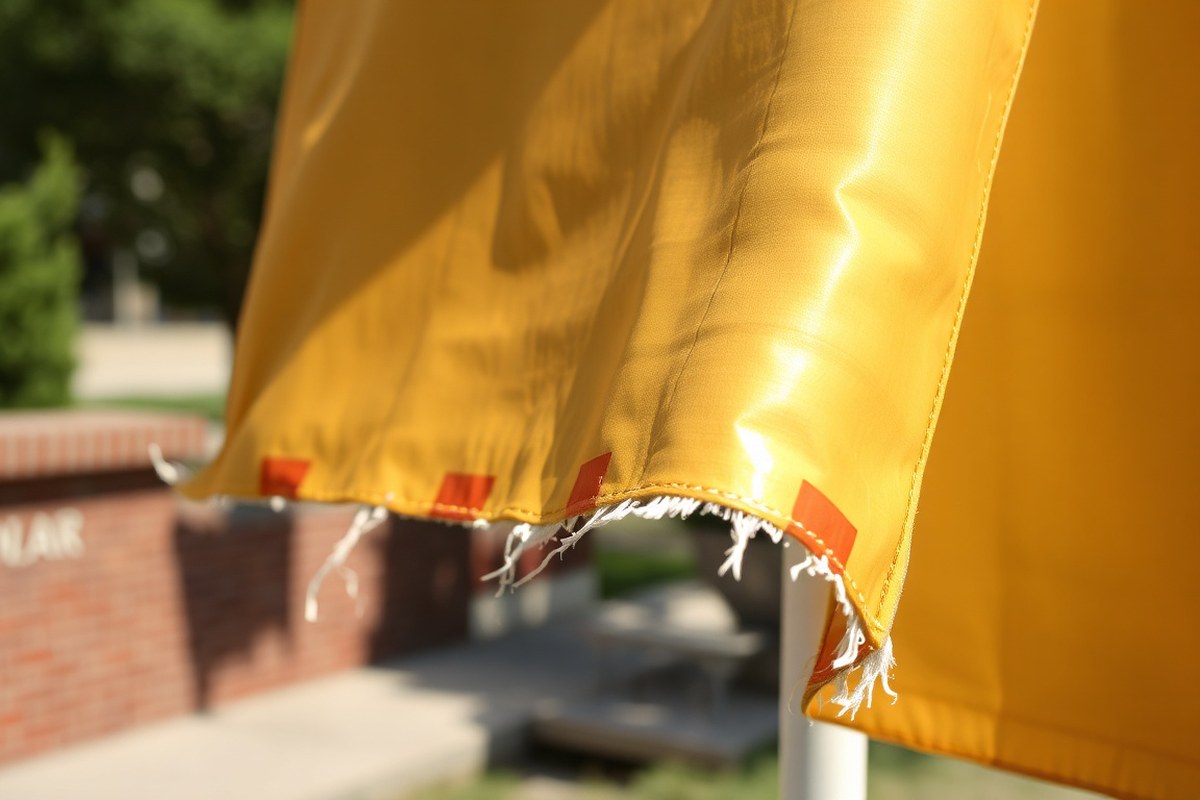
How long a physical banner lasts outdoors depends on the material, weather exposure, location, and size. These factors influence the banner’s ability to withstand sun, wind, rain, and mounting stresses over time. Choosing the right combination upfront helps extend your banner’s effective life in different outdoor settings.
Material Quality and Durability
The material you pick affects how well your banner resists fading, tearing, and water damage. Common materials include vinyl, mesh, fabric, and polyester. Vinyl banners typically last 1 to 3 years outdoors due to strong PVC construction that handles UV rays and moisture well. Mesh banners allow wind to pass through, reducing strain in gusty areas but usually last around 1 to 2 years if exposed continuously to sun and rain. Fabric and polyester last closer to 6 months to a year outdoors since they absorb moisture and degrade faster.
Choosing materials with UV inhibitors or reinforced edges can add durability. For instance, digitally printed vinyl with UV-resistant lamination can retain vibrant colors up to 3 years even in direct sunlight. Mesh works best in very windy locations but tends to fray over longer periods. Fabrics offer a premium look but require frequent replacement.
Weather Exposure Effects
Sunlight, wind, rain, and temperature fluctuations each wear down banners at different rates. UV rays break down inks and weaken material fibers, causing brittleness and fading. Constant strong winds cause ripples and stress at grommets or seams, leading to tears or detachment. Rain and humidity promote mildew and weaken stitching and coatings. Freezing and thawing cycles cause material contraction and expansion, which can crack surfaces over time.
In hot, dry climates, UV degradation is the biggest factor, while coastal locations add salt corrosion and high winds. For places with heavy rain or snow, waterproof coatings and strong mounting methods are important. Protecting your banner by placing it under partial cover or using removable fixtures for stormy seasons can extend its life.
Location and Mounting Considerations
The exact spot where you mount a banner plays a big role in durability. Banners placed on south- or west-facing walls receive the most direct sun, accelerating fading and breakdown. Locations near trees, building corners, or under awnings reduce sun exposure and wind but can trap moisture or dirt. Mounting banners tightly with proper tension reduces flapping, which causes wear at attachment points.
Using heavy-duty grommets spaced every 12 to 24 inches helps distribute wind forces evenly and prevents tearing. Avoid fixing banners with just tape or weak ties. In windy areas, reinforcement such as double stitching and wind slits improves lifespan significantly. Secure mounting lets banners stay put during weather events without damage.
Banner Size and Structural Impact
Larger banners catch more wind and strain mounting hardware, which can shorten their life. For example, a 10-foot by 20-foot banner experiences much greater wind pressure than a 3-foot by 6-foot one. This can cause stretched or torn edges, especially if mounted poorly or made from lightweight material. Smaller banners exert less stress and typically last longer in similar conditions.
Choosing heavier, thicker material and reinforcing edges with double stitching becomes more important as banner size grows. For very large banners, adding wind slits and using multiple anchor points keeps overall tension balanced, avoiding damage. If you anticipate strong winds or extended display times, downsizing the banner or switching to more durable mesh can prevent costly replacements.
Material Durability Comparison and Selection Tips
| Material | Outdoor Lifespan | Weather Resistance | Best Use Case |
|---|---|---|---|
| Vinyl (PVC) | 1-3 years | High UV, water, tear resistant | General outdoor use, long-term events |
| Mesh Vinyl | 1-2 years | Wind resistant, moderate UV | Windy locations, large banners |
| Fabric/Polyester | 6-12 months | Lightweight, poor water resistance | Short-term, aesthetic displays |
For sunny areas, pick vinyl banners with UV inhibitors and clear laminate coatings to slow fading. In windy spots, choose mesh vinyl with reinforced edges and multiple attachment points to prevent tearing. Fabric banners suit calm, covered settings or very short campaigns where appearance is important but exposure is limited.
Make sure to factor in local weather patterns when choosing banner materials, what works in dry climates may fail quickly in wet, coastal, or windy environments.
Legal Regulations and Permits for Banner Display Time
Banners typically require permits before installation, especially in public or commercial areas. Local ordinances set specific limits on how long a banner can remain displayed, reflecting concerns over safety, aesthetics, and neighborhood standards. Failure to comply with these rules can result in penalties including fines and mandatory removal.
When Permits Are Required for Banner Installation
Permits are generally needed if you plan to put a banner on public property, commercial buildings, or in locations visible from public ways. Residential properties often have fewer restrictions, but larger or commercial banners usually trigger permit requirements. Temporary event banners usually need permits from the city if they are installed outdoors or on government-owned property.
Determining the need for a permit depends on the banner’s size, location, and duration. For example, a small banner on private property that stays up less than 30 days may not require a permit in some municipalities. A good rule of thumb is: apply for a permit if your banner is larger than 32 square feet, will be displayed longer than 30 days, or is in a public right-of-way.
How Local Laws Vary on Banner Duration
Different cities and counties have varying rules on how long banners can stay up before they must be removed. Some municipalities impose strict time limits, like 15 to 30 days for temporary banners, while others allow up to 90 days or more under specific conditions. Commercial districts often have different standards than residential zones, with longer durations permitted for promotions or events.
Signs intended as permanent advertisements may be subject to different regulations from temporary banners. Some locations limit temporary banner display to no more than four occurrences per year, each lasting no longer than 30 days. These laws reflect efforts to keep neighborhoods tidy and reduce visual clutter.
Penalties for Violating Banner Time Limits
Failure to comply with banner display time limits can lead to enforcement actions by local authorities. Common penalties include ticket fines ranging from $50 to $500 per violation. Repeat offenders might face higher fines or legal action requiring a court appearance. In most cases, the city will also order the removal of banners that exceed time restrictions.
Ignoring removal notices increases the risk of additional penalties and may lead to property liens or the cost of forced removal billed to the banner owner. Keeping proof of permit approval and adhering to removal deadlines helps avoid these problems.
Permit Requirements by Banner Type
Permit rules differ depending on the banner’s purpose, size, and location. Here is a checklist covering the most common types of banners:
- Temporary event banners: Usually require a permit if displayed on public property or streets; duration limited to 15-30 days.
- Commercial banners on storefronts: Larger banners often need a permit; display duration capped at 30 to 90 days depending on the municipality.
- Construction site banners: Permits often required along with proof of project timeline; duration tied to project length.
- Residential banners: Typically exempt if small and short-term; check local zoning for exceptions.
- Political or campaign banners: Subject to local campaign laws; usually limited to a few weeks surrounding election dates.
How to Apply for a Banner Permit
Start by contacting your city or county building or planning department to learn specific requirements. Most agencies require a completed application form with details about banner size, location, materials, and display dates. You may need to provide drawings or photos showing where the banner will be installed.
Permit fees vary widely, commonly ranging from $25 to $150 depending on the municipality and banner size. After submission, approval can take from a few days to a couple of weeks. Once approved, keep the permit on site for inspection.
Failure to obtain the permit before installation risks fines and forced removal. To avoid this, use this short script to verify permit needs: “I am planning to install a [size] temporary banner at [address]. Can you confirm if a permit is required and what application steps I must follow?”
How Long Should Online Banner Ads Stay Visible?
Online banner ads typically stay visible anywhere from a few weeks up to a couple of months, depending on platform rules and campaign goals. Most ad networks have minimum and maximum display times, for example, Google Ads campaigns often run continuously but recommend rotating creatives every two to four weeks to avoid ad fatigue. Rotating banners regularly keeps your audience engaged and helps you measure which creative or message works best.
For maintaining effectiveness, rotate banner ads every 2 to 4 weeks. This timeline allows you to gather enough performance data without letting your ads become stale. You should update either the visuals or the call-to-action in each rotation cycle. If your budget or campaign is limited, a 14-day rotation provides a good balance between exposure and freshness.
Campaign length varies by industry and objective. Short promotional campaigns like event announcements or sales often last 2 to 4 weeks, while brand awareness efforts may run 3 to 6 months or longer. Digital media companies or fundraising campaigns might run banners continuously but adjust creatives monthly to maintain audience interest. Consider your goals first, then plan your banner duration and rotations accordingly. Below is a comparison table showing typical campaign durations and rotation practices on popular platforms suitable for small business owners, advertisers, and marketers:
| Platform | Typical Campaign Length | Recommended Banner Rotation |
|---|---|---|
| Google Ads | 1-3 months | Every 2-4 weeks |
| Facebook Ads | 2-4 weeks for sales; 3-6 months for branding | Every 14 days |
| LinkedIn Ads | 1-2 months | Every 3 weeks |
| Programmatic Platforms | Ongoing with monthly creative refresh | Monthly rotation |
To set up an effective online banner schedule, start your campaign with a clear end date or budget limit. Create at least two or three versions of your banner content, either changing images or headlines. Monitor click-through and conversion rates weekly. At the end of the rotation period, pause or remove lower-performing banners and replace them with fresh creatives. This cycle ensures your ads don’t lose effectiveness by showing the same message for too long.
Failing to rotate banners can lead to ‘ad blindness,’ where users stop noticing your ads altogether. Also, longer campaigns without adjustments risk poor performance and wasted advertising spend. With proper planning, rotating your online banners every two to four weeks keeps your campaigns dynamic and your audience engaged while adhering to typical network rules.
Different Types of Banners and Their Typical Lifespans
Banners vary widely in material and intended use, which affects how long they can remain displayed before showing wear or becoming ineffective. Vinyl banners are the most common for outdoor advertising, known for their durability and weather resistance. They typically last between 6 months to 3 years depending on exposure to sun, wind, and rain. Mesh banners, made of perforated vinyl, are ideal for windy locations and can last about 1 to 2 years outdoors. Fabric banners, usually polyester, are best suited for indoor environments or short term outdoor use; they tend to last up to 1 year but fade faster when exposed to direct sunlight. Digital banners, displayed on screens, last as long as the device functions, often years, but their content needs frequent updating to remain relevant.
Your choice of banner type depends on location, weather conditions, and campaign length. Vinyl suits long-term outdoor use but costs more upfront, typically around $5 to $8 per square foot. Mesh trades some visual clarity for better wind tolerance and cost similarly to vinyl. Fabric is less expensive, roughly $3 to $6 per square foot, but best kept indoors. Digital banners require investment in hardware and software and are ideal for dynamic messaging in high-traffic indoor spaces or storefronts.
| Banner Type | Material | Typical Lifespan | Best Use Case | Replacement Timeline |
|---|---|---|---|---|
| Vinyl | PVC | 6 months to 3 years | Long-term outdoor | Replace annually or when fading/cracking appears |
| Mesh | Perforated PVC | 1 to 2 years | Windy outdoor areas | Replace every 1 to 2 years or if ripping occurs |
| Fabric | Polyester | Up to 1 year | Indoor or short outdoor events | Replace after 6-12 months or color fading |
| Digital | LCD/LED Screens | Several years (device life) | Indoor high-traffic dynamic content | Update content regularly; hardware replacement as needed |
To keep banners looking sharp and effective, monitor them at least every 3 to 6 months. Look for fading, wrinkles, cracks, or tears as signals it’s time to replace or reprint. Regular cleaning and proper installation can extend life. For example, vinyl banners left in direct sunlight in southern climates may need replacement closer to the 6-month mark, while vinyl used in shaded or cooler areas might last near 3 years. Fabric banners fade mostly due to UV exposure, so using UV-protective sprays can marginally extend lifespan but won’t eliminate the need for replacement after several months outdoors.
Practical tip: Always factor in your campaign duration and local weather when choosing banner types, and schedule replacements before wear visibly impacts your brand image.
How to Plan Banner Duration for Events and Campaigns
Plan banner duration so it aligns with your event schedule and marketing goals. Installing banners too early or leaving them up too long can reduce impact or violate rules. Follow a step-by-step timeline for installation, maintenance, and removal to keep things on track.
Pre-Event Installation Timing
Install banners close enough to the event date to maximize visibility but allow time for any unexpected delays. Most marketers recommend putting banners up 3 to 7 days before the event starts. This time frame lets your target audience notice the banners without making them stale.
For multi-day events, consider that banners installed over a week early may lose urgency, so balance early placement with relevance. Also check local regulations as some areas limit how early banners can be displayed before an event.
During Event Maintenance Tips
Keep banners looking fresh during the event by regularly inspecting for damage or dirt. Assign staff or vendors to check daily, especially in outdoor locations prone to weather wear. Small repairs or cleaning within the event’s duration maintain your professional image.
If your event is longer than a week, plan a mid-event banner replacement or refresh, especially if banners are exposed to harsh sun or rain. This improves engagement and prevents banners from looking worn out.
Post-Event Removal Schedule
Take banners down promptly after the event to avoid fines, clutter, or loss of impact. Removal within 24 to 48 hours post-event is common to keep public areas tidy and comply with most local ordinances. Leaving them longer can confuse your audience and waste advertising budget.
For campaigns tied directly to a sale or promotion, remove the banners as soon as the event concludes to prevent sending outdated messages. Plan removal logistics in advance to avoid delays or extra storage costs.
Coordinating with Permits and Vendors
Check permit requirements early to confirm installation and removal dates allowed by local authorities. Some cities require notifications or specific time windows for banner displays. Apply for permits at least 2 weeks before installation to avoid last-minute issues.
Work closely with vendors on timelines for print, delivery, installation, and removal. Confirm dates in writing and schedule contingency days for weather or delivery delays. Standard vendor response times are 3 to 7 business days for printing and 1 to 3 days for installation. Follow this timeline template for event banner management:
- Confirm event dates: Know your event start and end, including setup days.
- Apply for permits: Submit permit applications 2 weeks before installation to secure approval.
- Order banners: Place print orders 3 weeks before installation to allow production and shipping.
- Schedule installation: Plan to install banners 3 to 7 days before the event begins.
- Perform maintenance checks: Arrange daily inspections and cleanings throughout the event.
- Plan mid-event refresh: For events longer than 7 days, replace or clean banners at week’s midpoint.
- Arrange removal: Organize removal within 24 to 48 hours after the event wraps up.
- Confirm vendor coordination: Communicate all dates with vendors and reconfirm 2 days before each milestone.
Common Mistakes in Banner Duration and How to Avoid Them
Banners that stay up far longer than necessary can lose their effectiveness and even harm your brand image. A banner left for months after a campaign ends may appear outdated or neglected, causing viewers to ignore it or associate your business with poor upkeep. Timing your banner display wrong can miss peak audience exposure, reducing ad impact. For example, a banner meant for a summer event should be taken down promptly after to keep messaging fresh and relevant.
Poor maintenance also harms banner longevity and visibility. Dirt, fading, tears, or curling edges make banners hard to read and visually unappealing. This damages your professionalism and lowers engagement. Regular checks help catch wear early and extend your banner’s usefulness. Neglecting maintenance may lead to costly premature banner replacement or lost advertising value. Here are key maintenance tips and fixes to keep banners effective and decide when to replace them:
- Clean banners monthly with mild soap and water to remove dirt and grime.
- Apply UV protectant spray if outdoors to slow fading from sun exposure.
- Fix small tears and frayed edges with vinyl patch kits or reinforced tape.
- Inspect mounting points weekly and tighten or replace hardware if loosened.
- Roll banners instead of folding for storage to prevent creases and damage.
- Replace banners showing more than 20% fading or multiple tears to maintain professionalism.
- Schedule removals immediately after campaign dates to prevent outdated messaging.
You can visually judge banner damage, but having set standards helps maintain quality. For example, a banner outdoors exposed to harsh weather typically needs replacement every 6 to 12 months depending on material and sun exposure. Indoor banners, shielded from elements, might last 1 to 3 years if well maintained. Setting clear timeframes and inspecting regularly avoids overextending display, keeping campaigns fresh and impactful.
When to Call a Professional for Banner Installation and Removal
Installing and removing banners can pose significant risks if done without proper knowledge or equipment. DIY banner setups often involve working at heights, using heavy tools, and securing materials in challenging locations. Falls, electrical hazards near power lines, and improper anchoring can lead to accidents or damage to property. When banners are displayed for extended periods, the risk increases as weather conditions like wind, rain, or sun exposure may weaken installations, causing banners to fall unexpectedly.
Many local governments require the use of licensed professionals for banner installation and removal, especially for commercial or large-scale outdoor banners. These laws aim to ensure safety and compliance with regulations, such as weight limits, zoning rules, and structural codes. Certified installers are familiar with obtaining necessary permits and following rules about how long a banner can legally stay up. They also know which materials and techniques will hold up best over the banner’s display period.
Professionals extend a banner’s durability by using high-quality mounting hardware and weather-resistant fasteners. They also conduct thorough site assessments to determine the safest placement and ensure proper tension to avoid damage from wind or sagging. In long-term installations, pros regularly inspect and maintain the banner, tightening or replacing components as needed to prevent failure or safety hazards. Use this checklist to decide when you should call a professional for your banner project:
- Banner height exceeds 12 feet or requires ladder or lift use
- Installation near electrical wiring, traffic, or pedestrian paths
- Compliance with local permit or certification laws is needed
- Banner size is larger than 50 square feet or made of heavy materials
- Long-term display exceeding 30 days planned
- Site conditions include high winds, uneven surfaces, or difficult access
- Lack of proper tools or experience for secure mounting
When hiring a professional installer, verify their licensing and insurance coverage. Ask for references or examples of previous installations similar in scale to your project. Get detailed written quotes that include labor, equipment, and any permit fees. Confirm they offer post-installation inspections and maintenance services to support banner longevity and safety throughout the display period.
Always prioritize safety by hiring a professional if your banner installation involves heights, electrical risks, or complex permits to avoid costly accidents and legal issues.
Your Step-by-Step Banner Duration Plan
Follow these steps to manage your banner display times effectively and within legal limits.
- Before you hang the banner: Check local regulations and secure any necessary permits for banner display duration. This prevents fines and ensures compliance.
- Day 1: Install the banner securely using professional help if needed. Confirm the banner is visible, stable, and meets size and placement rules.
- Week 1: Review banner condition daily for physical wear or damage, especially in outdoor settings. Replace or repair if graphics fade or fabric tears.
- After 2 weeks: Evaluate digital banner engagement metrics to decide if online ads should run longer or need replacement to maintain effectiveness.
- Before the event or campaign ends: Plan banner removal or renewal considering event dates or campaign milestones to avoid overstaying and waning impact.
- Immediately after the event: Remove physical banners promptly to comply with permit requirements and maintain a professional appearance.
- Monthly check: Inspect permanent or long-term banners for damage, dirt, or weather effects, replacing them every 3 to 6 months as needed to keep your message sharp.
Frequently Asked Questions
How Often Should You Update Your Banner Design to Maintain Effectiveness?
Update your banner design every 3 to 6 months to keep it fresh and engaging. This prevents ad fatigue and helps maintain audience interest, especially if your campaign runs long or the design style becomes outdated.
Can Banner Size Impact How Long People Notice the Ad?
Larger banner sizes typically catch attention longer because they are more visible. Consider standard pixel dimensions that fit your website layout while maximizing exposure without overwhelming the content.
Does the Placement of a Banner Affect How Long It Stays Effective?
Yes, banners placed “above the fold” or at the top of a page generally attract more views for longer periods. Placement near related content can also improve engagement and justify keeping the banner up longer.
Is There an Ideal Time of Day to Display Online Banner Ads for Better Retention?
Display online banner ads during peak traffic hours, usually mid-morning or early evening. This timing maximizes visibility and engagement, which can affect how long you should keep the banner running.
Do Seasonal Trends Influence How Long You Should Keep Banners Up?
Seasonal trends do affect banner duration; keep seasonal banners up only for the relevant event or holiday period. Switching too late can confuse customers and reduce campaign effectiveness.
Should You Test Different Banner Durations for New Campaigns?
Testing different banner durations helps identify the optimal time to engage your audience. Run short tests with varying display lengths to find the best balance between impact and cost.
The Bottom Line
Balancing legal requirements with practical display time helps your banners achieve their purpose without causing issues. Taking the time to monitor and adjust banner duration ensures your message stays visible and effective. Start by confirming local permit rules for your next banner to stay on the right track.