No Lifeguard on Duty Sign Requirement: Complete Rules, Materials & Installation
The no lifeguard on duty sign requirement means you must display clear, visible signage warning swimmers about the absence of a lifeguard. Signs must use current mandated wording like “NO LIFEGUARD ON DUTY” and age-related supervision warnings to comply with state regulations and ensure safety. Start by selecting signs that meet your state’s codes and local rules to avoid violations or safety risks.
Key Takeaways
- Use signs manufactured from durable, rust-proof .080″ aluminum with reflective sheeting for maximum longevity and visibility.
- Comply with state regulations, such as California’s Code Regs. §§ 3120B.4 and 3120B.7, which mandate specific wording on signs.
- Include “NO LIFEGUARD ON DUTY” plus supervision instructions, like “Children should not use pool without adult supervision.”
- Select sign sizes based on pool location visibility needs; common sizes include 12″x12″ and 18″x18″ with high-intensity prismatic or OmniCube™ materials.
- Install signs in prominent areas where pool users gather, including entrances and near pool decks, following MUTCD guidelines.
- Update signs after legal language changes to maintain compliance and avoid discrimination claims related to outdated wording.
What Are the Legal Requirements for No Lifeguard Signs?
Federal regulations do not specifically demand “No Lifeguard on Duty” signs at pools. Instead, these requirements mostly come from state and local guidelines. For example, California mandates in its Code of Regulations Sections 3120B.4 and 3120B.7 that public and community association pools post such signs. This applies to any pool or spa managed by your association or facility. The sign must read exactly “NO LIFEGUARD ON DUTY” and include the phrase “Children under the age of 14 shall not use pool without a parent or adult guardian in attendance.”
Not all pools are required by law to post “No Lifeguard on Duty” signs. Private residential pools that are not open to the public or part of a common interest development may not fall under these regulations. However, many facility managers and homeowners associations choose to install the signs as a safety precaution and to limit liability. Public pools, community pools, and spas generally must display the signs prominently. This ensures everyone using the pool understands that no professional supervision is present and that users assume responsibility for their own safety.
To meet California’s legal standards, signs should be placed in visible locations near all pool entrances and key activity areas. The required wording is set in Code Regs. § 3120B.4 and must be fully displayed on the sign, without alteration. Many signs available commercially follow this format with black text on a white background, using reflective materials to ensure visibility both day and night. The typical sign size per these guidelines is around 18 inches by 18 inches, made from durable aluminum for outdoor conditions. Installation must also align with local municipal or county ordinances, which can add further placement or material standards.
The signage’s presence does not guarantee safety, but it fulfills the legal duty to warn pool users. Failing to have compliant signs can lead to citations, fines, or increased liability if accidents occur. California updated the required wording in 2019, replacing older language to avoid discrimination and improve clarity. Therefore, signs that only say “No Lifeguard on Duty” without the additional phrase about children under 14 are insufficient for compliance.
Costs for compliant signs vary, typically ranging from $30 for a smaller 12″ x 12″ version to over $60 for a larger reflective aluminum sign measuring 18″ by 18″. While the expense is modest, the real investment is in risk management and legal compliance. The customer ordering the signs is responsible for ensuring the product meets all applicable federal, state, and local regulations. You should verify that any signs you install adhere strictly to these rules to avoid penalties and maintain a safe environment.
How to Comply with State Differences in Sign Requirements
Several states require specific wording and formats for no lifeguard on duty signs to meet local pool safety regulations. These differences stem from diverse legal frameworks and public safety priorities. States such as California, Florida, Texas, and New York have notable variations in mandatory language, bilingual requirements, and sign layout that pool owners and facility managers must follow to stay compliant.
California’s updated rules stand out by removing any age-specific prohibition on unsupervised children and instead using advisory language. This change responds to federal and state fair housing laws prohibiting discrimination against families with children, a detail many community associations may overlook. Also, California requires that pool and spa rules align with the updated sign verbiage to avoid legal conflicts.
Bilingual signs are mandatory in some jurisdictions with significant non-English-speaking populations. For instance, California commonly requires English and Spanish text on no lifeguard signs to ensure clarity for a wider audience. Other states may have similar demands depending on local demographics or official language laws. The table below compares key state requirements for no lifeguard signs, highlighting wording, mandatory languages, and unique notes.
| State | Mandatory Wording | Bilingual Requirement | Unique Requirement or Note |
|---|---|---|---|
| California | “No lifeguard on duty. Children should not use pool or spa without adult supervision.” | English and Spanish | Updated advisory language replaces prohibitive terms; pool rules must match sign wording to avoid discrimination |
| Florida | “No lifeguard on duty. Swim at your own risk.” | Typically English only | Common for outdoor pools; sign must be visible from pool entrance |
| Texas | “No lifeguard on duty. Swim at your own risk.” | English required; Spanish optional | Local jurisdictions may require additional hazard warnings |
| New York | “No lifeguard on duty. Swim at your own risk.” | Primarily English; bilingual encouraged in diverse areas | Signs must comply with size and reflectivity standards |
| Illinois | “Warning, no lifeguard on duty. Swim at your own risk.” | English only | Sign must be posted at all pool entrances |
Ensuring you have the correct sign requires verifying both state and local regulations. The content and format may influence your liability and safety compliance. Using durable materials such as rust-proof aluminum with reflective sheeting aids long-term visibility and meets standards like MUTCD specifications.
Check for regular updates in your state’s pool safety codes and update signs promptly to avoid compliance issues and legal risks.
Cost considerations include purchasing signs made with weather-resistant materials and mounting hardware suitable for your facility’s surfaces. Mounting holes, adhesive backing, or bracket options help secure signs in place. Portable sign options are available when only temporary display is needed, such as when a lifeguard takes a break.
Not matching your signs’ verbiage to your state’s requirements can create legal vulnerabilities, especially if it conflicts with discrimination laws or local safety codes. Therefore, reviewing signs as regulations evolve and ensuring bilingual clarity where required improves safety communication and legal protection.
What Wording and Symbols Must No Lifeguard Signs Include?
No lifeguard on duty signs must display specific wording to clearly warn swimmers that no professional supervision is present. Required text typically includes explicit phrases about the absence of a lifeguard and cautions about swimming risks, especially for children. Adding symbols improve understanding, and bilingual text ensures communication with a diverse pool audience.
Required Text Phrases
Signs at public pools, community improvement districts (CIDs), or spas must include clear and direct language about no lifeguard presence. The most common phrase used is “No Lifeguard On Duty.” Additional warning statements about risks and supervision are often mandatory, particularly to protect children and non-swimmers. Here are wording templates adapted for different settings:
- Public Pool: “No Lifeguard On Duty, Swim at Your Own Risk.”
- CID-managed Pool: “No Lifeguard On Duty. Adults Must Supervise Children.”
- Spa or Hot Tub: “No Lifeguard On Duty, Use Spa at Your Own Risk. Children Under 14 Must Be Supervised.”
Statements about children are often required because drowning risks are higher for young swimmers. Clear mention of supervision responsibilities helps reduce liability and prevent accidents. The size and font of the text should be large enough to read easily from a short distance, typically 2 to 4 inches tall, using bold, high-contrast colors like white on red or black on yellow.
Recommended Symbols and Icons
Including universally recognized icons improves sign effectiveness by communicating the message regardless of language or literacy. Common symbols for no lifeguard signs include a red circle with a diagonal line crossing out a lifeguard chair or a swimmer figure. Adding hazard symbols, like a warning triangle, can emphasize caution.
These icons should be simple and bold, sized to complement the text without cluttering the sign. Combining symbols with text enables clearer understanding, which is especially important in areas with diverse populations or frequent visitors unfamiliar with local languages.
- Red crossed-out lifeguard chair or whistle icon
- Warning triangle with an exclamation point
- Adult supervising child symbol
- Swimmer silhouette with a diagonal prohibition line
Placement of these symbols next to or above the text improve visibility. Signs with symbols generally cost slightly more than text-only versions but improve compliance and safety outcomes.
Bilingual and Non-Discriminatory Language Updates
Signs should include bilingual text when your pool serves a community with significant non-English speakers. Spanish is typically the second language for most US locations, but other languages may be necessary depending on your area’s demographics. The phrase “No Lifeguard On Duty” and the safety warnings should be accurately translated to maintain clarity and legal protection. Example bilingual wording:
- “No Lifeguard On Duty, Swim at Your Own Risk” / “No hay salvavidas en servicio, nade bajo su propio riesgo.”
- “Adults Must Supervise Children” / “Los adultos deben supervisar a los niños.”
- “Children Under 14 Must Be Supervised” / “Los niños menores de 14 años deben ser supervisados.”
Using inclusive and non-discriminatory language prevents alienating any group and supports clear communication for safety. Avoid slang, idiomatic expressions, or culturally specific terms that may confuse readers from different backgrounds. For liability and compliance, consult local regulations or a professional translator to ensure accuracy and appropriateness.
Which Materials and Sizes Are Best for No Lifeguard Signs?
No lifeguard on duty signs must endure outdoor conditions without degrading or losing legibility. Choosing the right material provides lasting durability and meets regulatory standards, which often specify resistant metals or heavy-duty plastics. Aluminum, particularly 5052-H38 alodized aluminum, offers excellent corrosion resistance and strength, making it a popular choice for permanent signs. Thickness around 0.080 inches (roughly 2 mm) balances stiffness with ease of installation. For smaller, temporary signs, rigid PVC or polyethylene can suffice but may fade or crack over time.
Size requirements typically depend on where and how the sign is viewed. A minimum size of 12 by 18 inches is common to ensure readability from a distance. Larger sizes like 18 by 24 or 24 by 30 inches improve visibility in bigger facilities or high-traffic pool zones. Signs placed near entrances or pool gates benefit from these larger dimensions, especially when regulatory agencies require clear warnings. Thickness should remain consistent around 0.080 inches to prevent warping or bending.
Reflective finishes greatly improve visibility during low-light conditions, including early morning or evening. The most common option, engineer-grade reflective sheeting used in traffic signage, ensures the sign is clearly seen under vehicle headlights or pool area lighting. This is critical at community pools and facilities operating near dusk. Failure to use reflective materials can reduce the sign’s effectiveness and may not meet local compliance rules. Non-reflective signs work only if the pool area is well-lit 24/7.
| Material | Thickness | Durability | Reflectivity | Typical Use |
|---|---|---|---|---|
| 5052-H38 Alodized Aluminum | 0.080 inches (2mm) | High corrosion resistance and strength | Compatible with engineer-grade reflective sheeting | Permanent outdoor signs |
| Rigid PVC | 0.080 to 0.125 inches | Moderate; may crack or fade in sun | Limited to none | Temporary or indoor use |
| Polyethylene | Variable thickness | Good weather resistance but less rigid | Not commonly reflective | Short-term outdoor signs |
Installing a 12 by 18-inch aluminum sign with an engineer-grade reflective finish is the standard for pool facilities aiming for code compliance and maximum visibility. Prices for these durable signs typically start around $30 to $50 depending on customization and reflective quality. Costs may increase for larger sizes or signs with additional weatherproof coatings. Avoid overly thin or uncoated plastic signs outdoors, where exposure to sun and moisture fades and weakens the materials quickly. Ensuring your sign meets these material, size, and reflectivity standards reduces liability and improves safety communication.
How and Where Should No Lifeguard Signs Be Installed?
Proper installation of no lifeguard on duty signs requires placing them at eye level near pool entrances and along the pool perimeter. Use sturdy mounting hardware designed for outdoor use and ensure the signs face the main approaches for maximum visibility.
Mounting Height and Placement Rules
Place signs at a height between 5 and 7 feet from the ground, which aligns with average eye level for adults and ensures easy readability. Position the signs close to all pool entry points and along high-traffic areas to alert users before they enter the water.
Consider sightlines from various angles including pool deck, walkways, and parking areas. Avoid placing signs where they may be blocked by landscaping, pool equipment, or seasonal furniture. Repeat signs along longer pool perimeters so people do not miss important safety information.
Recommended Hardware and Methods
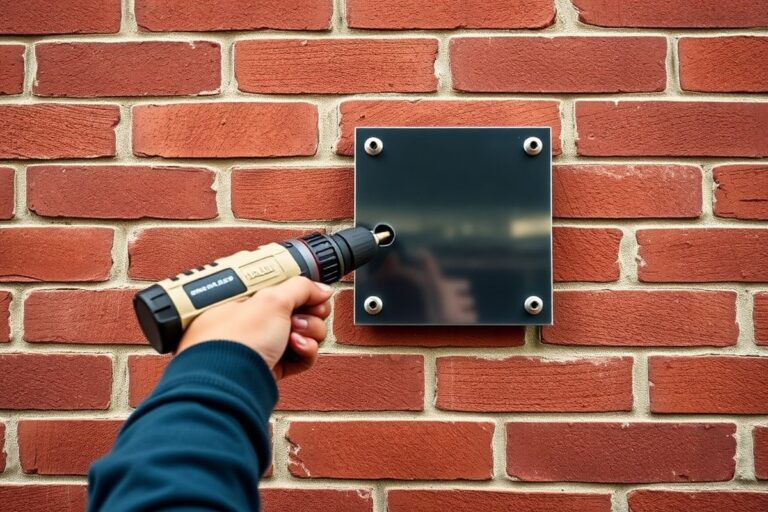
Use corrosion-resistant fasteners like stainless steel or coated screws to handle exposure to moisture and chemicals. Signs often come with pre-punched 3/8-inch holes spaced on the top and bottom to make installation straightforward.
Attach signs securely to rigid surfaces such as metal posts, walls, or fences. For installation on posts, use bracket mounts or U-bolts sized to fit the post diameter. When mounting to walls, use wall anchors appropriate for the surface material to prevent loosening over time. Here’s a checklist for a proper installation:
- Confirm the sign location meets height and placement guidelines
- Select stainless steel or weatherproof fasteners
- Use drill with appropriate bits for pilot holes
- Secure sign using pre-punched 3/8-inch holes
- Double-check sign is level and firmly attached
- Test visibility from multiple approach angles
Visibility and Environmental Tips
Ensure the sign surface faces direct lines of sight from approaching pedestrians. Use signs with glare-resistant coating or colors that stand out against the background. Avoid placing signs where direct sunlight or shadows make reading difficult.
Opt for materials rated to withstand UV radiation, moisture, and temperature fluctuations, especially in climates with freezing winters or intense sun exposure. Regularly inspect the signs for fading, damage, or loosening from wind or vandalism to maintain clear communication.
Check signs seasonally for wear and reposition if landscaping growth starts obscuring them.
When Are Portable or Temporary No Lifeguard Signs Appropriate?
Portable or temporary No Lifeguard On Duty signs work well for short-term or changing conditions where permanent signage doesn’t fit. Commonly used during lifeguard breaks, swim lessons without supervision, maintenance periods, or temporary pool closures, these signs alert swimmers that no one is actively monitoring the pool. This reduces liability risks and prompts swimmers to be more cautious when entering the water. Using portable signs also helps meet basic safety guidelines when constant lifeguard coverage isn’t feasible.
Several types of temporary signs are suitable, each with its pros and cons. You can use a folding A-frame sign that stands on the pool deck, which is easy to move and store. Retractable banner stands or lightweight poster frames with the required No Lifeguard On Duty text and symbols also work. For very short-term needs, laminated printed sheets displayed on existing fixtures can serve, though these might not meet all states’ durability or visibility standards.
- Folding A-frame signs: Portable and weather-resistant, good visibility; cost ranges from $25 to $60.
- Retractable banner stands: Tall and noticeable, ideal for events; higher cost around $80 to $150.
- Laminated printed sheets: Cheapest option, quick to produce, but may not be weatherproof or durable.
- Magnetic or suction cup signs: Attach to pool gates or fencing; easily repositioned but smaller and less visible.
- Electric or LED signs: Very visible, especially at night; require power source and have higher costs ($200+).
Ensuring temporary signs comply with safety guidelines involves checking local regulations for wording, symbol size, and language. Many states require the sign to be highly visible from multiple points around the pool and use clear, simple wording such as “No Lifeguard On Duty, Swim at Your Own Risk.” The sign’s material should withstand outdoor exposure, ideally water-resistant and UV-protected to remain readable and intact during use. Signs placed during lifeguard breaks must be put up before the guard leaves and taken down once they return to comply with safety monitoring rules.
Effective placement is important. Position portable signs at all pool entrances and areas where swimmers first approach the water. Avoid placing signs too close to the pool’s edge where they can be overlooked or blocked. Monitor signs regularly for wear, fading, or damage, replacing them as needed to maintain clear warnings. Temporary signs cost less than permanent metal signs, but repeated use and replacement can add up, so balance your option choice with your facility’s budget and operational needs.
Common Mistakes and How to Fix No Lifeguard Sign Issues
Incorrect wording on no lifeguard on duty signs can lead to noncompliance with local and state regulations. Avoid vague phrases like “Swim at your own risk” without clearly stating no lifeguard presence. Signs should explicitly say “No Lifeguard on Duty” and may require additional disclaimers depending on state law. Misleading or incomplete language risks legal liability and confuses pool users about safety responsibilities.
Sign placement frequently causes issues. Signs must be visible from all entrances and common gathering points to ensure everyone sees them before entering the pool area. Placing signs too high, behind obstacles, or on doors that remain closed restricts visibility. This mistake can cause swimmers to assume supervision is present and lead to unsafe behavior.
Maintaining signs is essential. Over time, exposure to weather or pool chemicals can fade text or damage materials, decreasing legibility. Regular inspections, at least monthly, help identify when cleaning or replacement is needed. Waiting too long to repair or replace a sign can lead to costly violations during safety inspections.
- Use clear, exact wording like “No Lifeguard on Duty” without distracting or vague phrases.
- Install signs at eye level near all pool entrances and high-traffic areas.
- Check signs monthly for fading, peeling, or physical damage and replace when illegible.
- Use durable, weather- and chemical-resistant materials to extend sign lifespan.
- Avoid placing signs behind furniture, plants, or structures that block visibility.
Fixes for these issues start with verifying that your sign wording complies with the most recent local regulations; consult your state’s public health or safety department websites for samples. Measure entrances and commonly used pool areas to identify optimal sign locations that face approach paths directly. Choose UV-resistant plastic or coated aluminum signs designed for outdoor pool environments, which can cost between $20 and $60 depending on size and features.
Updating signs proactively prevents safety gaps. Over time, pool policies or laws may change, requiring wording adjustments. Keep a compliance checklist and schedule to review all posted safety signage yearly. Confirm that any rewritten signs meet legal standards before installation. Failure to keep signs up-to-date might result in fines or increased liability if an incident occurs without clear posted warnings.
How to Choose the Right No Lifeguard on Duty Sign for Your Facility
Choosing the right no lifeguard on duty sign depends on your facility type, the environmental conditions at the site, and your budget. Focus on selecting materials and sizes that match exposure levels, prioritizing durability in harsh settings and cost-efficiency where appropriate. Including clear language and universal symbols improves safety communication for diverse users.
Facility Type and Environment Considerations
Indoor pools with controlled environments can use less durable materials like plastic or lightweight metal since signs face minimal weathering. Outdoor pools require weather-resistant materials such as aluminum or heavy-duty PVC, which withstand sun, rain, and temperature swings between -10°F and 110°F. Facilities in public or high-traffic areas should choose larger, highly visible signs, typically at least 18 by 24 inches, to ensure the message stands out. Consider your facility’s typical exposure and user base when picking size and material:
- Indoor community pools: lightweight, smaller signs (12×18 inches) with plastic or acrylic
- Outdoor commercial pools: heavy-duty metal signs (18×24 inches or larger)
- Schools and parks: reflect high visibility needs with bold print and symbols
- Seasonal or temporary pools: use portable, weather-resistant signs that can be stored off-season
- Pools in sunny climates: UV-resistant coatings for longer-lasting clarity
- Locations with high vandalism risk: consider tamper-resistant or bolted signs
Matching these factors ensures the sign remains effective and compliant throughout its life.
Cost vs Durability Trade-Offs
Durable signs cost more upfront but last several years longer, reducing replacement frequency and long-term expense. For example, an aluminum no lifeguard sign might cost $40 to $70 but last over 10 years, while plastic signs cost $10 to $20 and may need replacing every 2 to 3 years. Weigh replacing cheaper signs against investing in durable ones, especially for outdoor or high-use locales.
| Sign Type | Approximate Cost | Expected Lifespan |
|---|---|---|
| Aluminum with UV coating | $40-$70 | 10+ years |
| Heavy-duty PVC | $30-$50 | 5-7 years |
| Plastic (indoor use) | $10-$20 | 2-3 years |
Invest in durability when exposure is high or safety compliance is strict, and lean toward lower-cost options indoors or short-term use. Inspect signs yearly, especially if using lower-cost materials, to avoid fading or damage.
Replace signs immediately if text or symbols become unreadable to maintain compliance and safety.
Improving Signs with Language and Symbols
Bilingual signs or those with universally recognized symbols improve safety communication across diverse user groups. Selecting signs combining clear wording with pictograms ensures users understand the no lifeguard warning without language barriers. Facilities in regions with high non-English speaking populations usually require bilingual signs, often English-Spanish. Use a checklist to decide on language and symbol needs:
- Determine the primary languages of pool users and staff
- Check local regulations for required languages
- Select signs with clear, standard symbols like a swimmer and lifeguard icon crossed out
- Choose high-contrast colors to improve readability
- Ensure symbols comply with ADA and local signage standards
- Consider adding QR codes linking to safety instructions in multiple languages
Applying these criteria helps you deliver the message effectively and meets legal and cultural expectations.
Step-by-Step Action Plan for Installing No Lifeguard on Duty Signs
Follow these steps to make sure your no lifeguard signs meet legal standards and keep your pool area safe and compliant.
- Before You Install: Check your state’s specific regulations on no lifeguard signs to confirm wording, size, and placement requirements. Knowing your state rules ensures compliance from the start.
- Day 1: Select durable materials suitable for your pool environment, such as weather-resistant aluminum or high-grade plastic. Confirm visibility by choosing sizes recommended by your state or similar facilities.
- Day 2: Order or purchase signs with the exact required wording and symbols. Double-check spelling and graphic accuracy to avoid common mistakes noted in safety reviews.
- Day 3: Identify high-traffic and easily visible locations around the pool area for installation, like entrances and near pool decks. Proper placement maximizes sign effectiveness and safety awareness.
- Day 4: Secure professional installation or use proper tools to ensure signs are mounted firmly and at correct heights according to guidelines. Test visibility from key pool vantage points.
- Week 2: Inspect the installed signs under various lighting and weather conditions. Confirm they remain clear and legible in sunlight, shade, and after rain.
- Ongoing: Schedule regular monthly checks to maintain sign condition and compliance. Replace any faded or damaged signs promptly to avoid safety or legal issues.
Frequently Asked Questions
Are There Specific Font Size Requirements for No Lifeguard on Duty Signs?
Yes, many local regulations specify a minimum font size for visibility, often at least 1 to 4 inches tall. This ensures the sign can be easily read from a distance, improving safety by alerting swimmers effectively.
Can “No Lifeguard on Duty” Signs Be Combined with Other Warnings?
Yes, signs often include additional instructions like age restrictions or supervision requirements. Combining messages can improve clarity but avoid overcrowding the sign to maintain readability and compliance.
Is Reflective Material Necessary for No Lifeguard Signs?
Reflective materials are recommended for visibility during low light or nighttime. Using prismatic reflective aluminum improve safety by making the sign noticeable at all hours, especially near pools open after sunset.
Do No Lifeguard Signs Need to Be Bilingual?
In some jurisdictions, signs must include multiple languages to accommodate local populations. Check local laws to know if adding a second language improves communication and covers your legal obligations.
Are Temporary No Lifeguard Signs Legally Acceptable?
Temporary signs are allowed when properly placed and visible during times no lifeguard is present. They must meet the same visibility and wording standards as permanent signs to ensure swimmer awareness.
What Maintenance Is Required for No Lifeguard on Duty Signs?
Signs need regular cleaning, inspection for damage, and replacement if faded or unreadable. Proper upkeep ensures continuous compliance and effectiveness in warning swimmers about the lack of supervision.
Wrapping Up
Proper installation and maintenance of no lifeguard on duty signs are essential for pool safety and legal compliance. Installing signs that meet specific state requirements protects both your guests and your facility from liability. Start by reviewing your local rules today, then choose signs designed for your environment and install them in visible locations to keep everyone informed and safe.