Why Are House Numbers Important for Emergency: Fast Response Tips & Best Practices
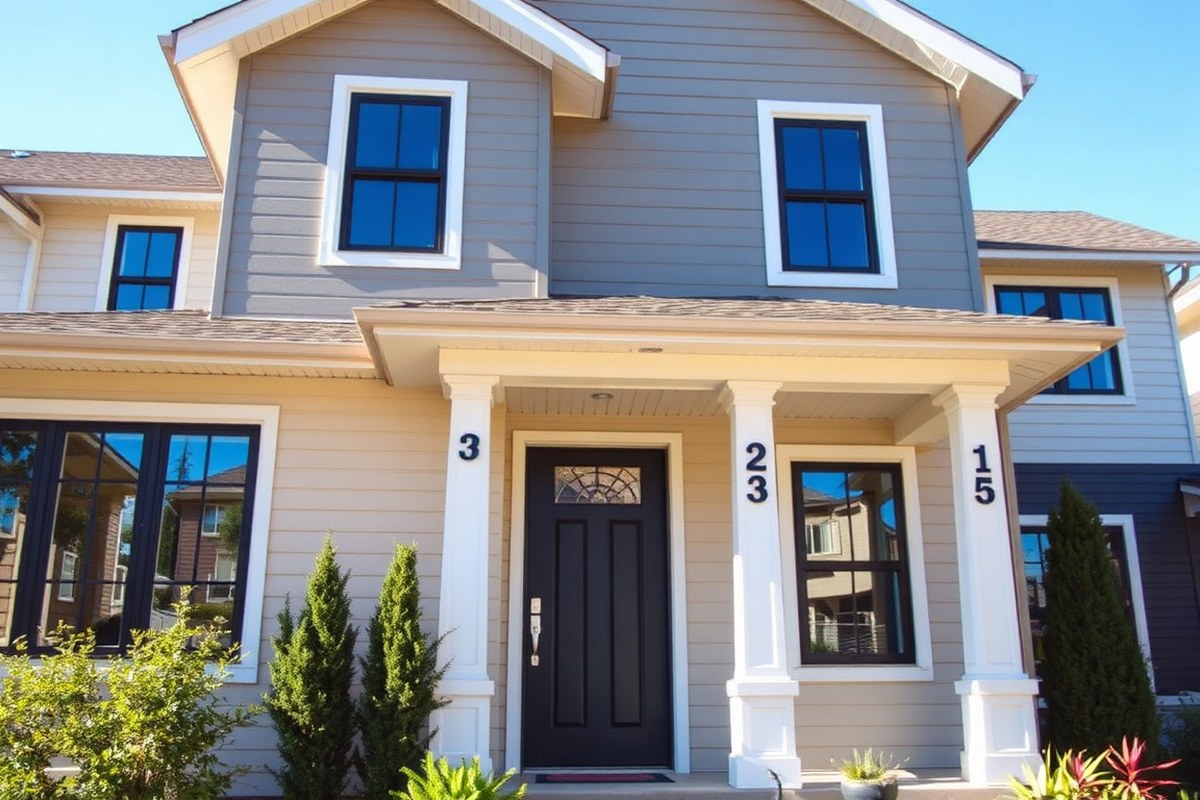
Why are house numbers important for emergency? Clear and visible house numbers help emergency responders locate your home quickly during urgent situations, potentially saving lives. Emergency crews rely on distinct numbering to avoid delays when every second counts. Start by ensuring your house numbers are large and easy to see from the street.
Key Takeaways
- Use house numbers at least 4 inches tall for easy visibility from the street.
- Place numbers where they show clearly from all directions, such as on a mailbox or gate post if your home is set back.
- Choose contrasting colors for numbers to stand out against the background of your house or sign.
- Consider reflective or illuminated numbers to improve visibility at night and in low light.
- Consult local regulations to meet any legal standards for house number display and placement.
- Avoid common mistakes like faded paint, blocked views, or small fonts that hinder identification.
Why Are House Numbers Essential for Emergency Response?
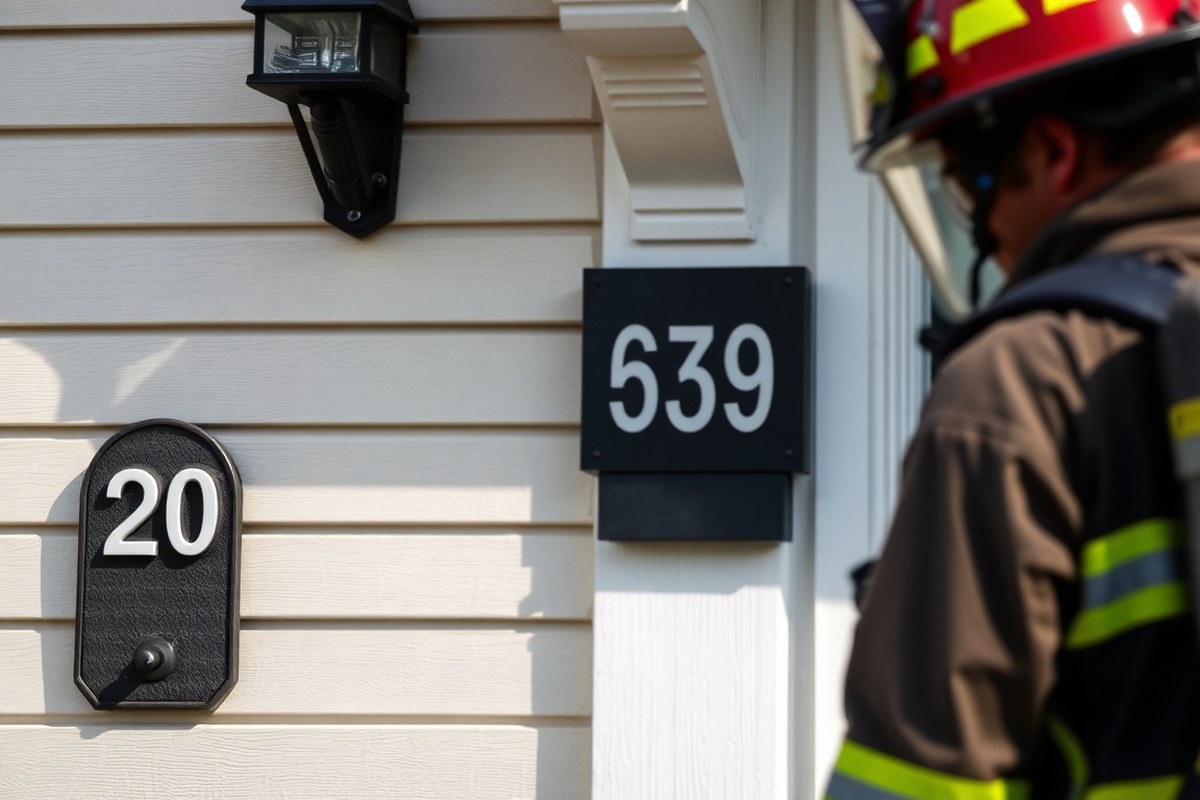
Visible house numbers are critical for emergency services because they enable firefighters, paramedics, and police officers to locate your home quickly during urgent situations like fires or medical emergencies. Without clear, legible numbers, responders waste valuable minutes searching for the correct address, which can delay life-saving interventions. Emergency personnel often operate under intense pressure, so having an easily identifiable house number directly contributes to efficient and effective response times.
House numbers significantly impact emergency response times. When emergency responders arrive, they rely on clear numeric signs to confirm the correct location immediately. If numbers are missing, weather-worn, painted the same color as the house, or displayed in hard-to-read fonts, responders face difficulties. According to Robert Wiseman from the Howard County Fire and Rescue Department, such issues have slowed dispatch teams by several minutes. During a critical emergency, every minute counts, so even a brief delay caused by unclear house numbers can have serious consequences.
When house numbers are absent or illegible, emergencies become more dangerous. Emergency crews may need to stop and ask neighbors for directions or search multiple streets before locating the right building. This wastes time that could otherwise be spent administering aid and controlling hazards. In some rural or densely built areas where houses sit far apart or street layouts are confusing, the lack of clear numbers can cause responders to miss the address entirely, forcing them to return or send additional teams. This increases risk for those in distress and wastes public resources.
Making sure your house numbers are visible and readable from the street is a practical step you can take to aid emergency responders. Clear numbers reduce response times, especially if they are illuminated or use reflective materials for night visibility. Communities near Lake Tahoe, for example, offer residents a $25 rebate to help cover the cost of updating house numbers after cases showed response delays.
Strong house numbers do not require expensive or complicated installations. Simple changes, like repainting worn digits with contrasting colors or installing numbers of at least 4 inches tall in a plain font, can improve visibility dramatically. This small investment increases safety for everyone using your address to respond in an emergency. When prompted by emergency responders or local fire departments, taking such steps becomes more than convenience, it saves time and may save lives.
Where and How to Place House Numbers for Maximum Visibility
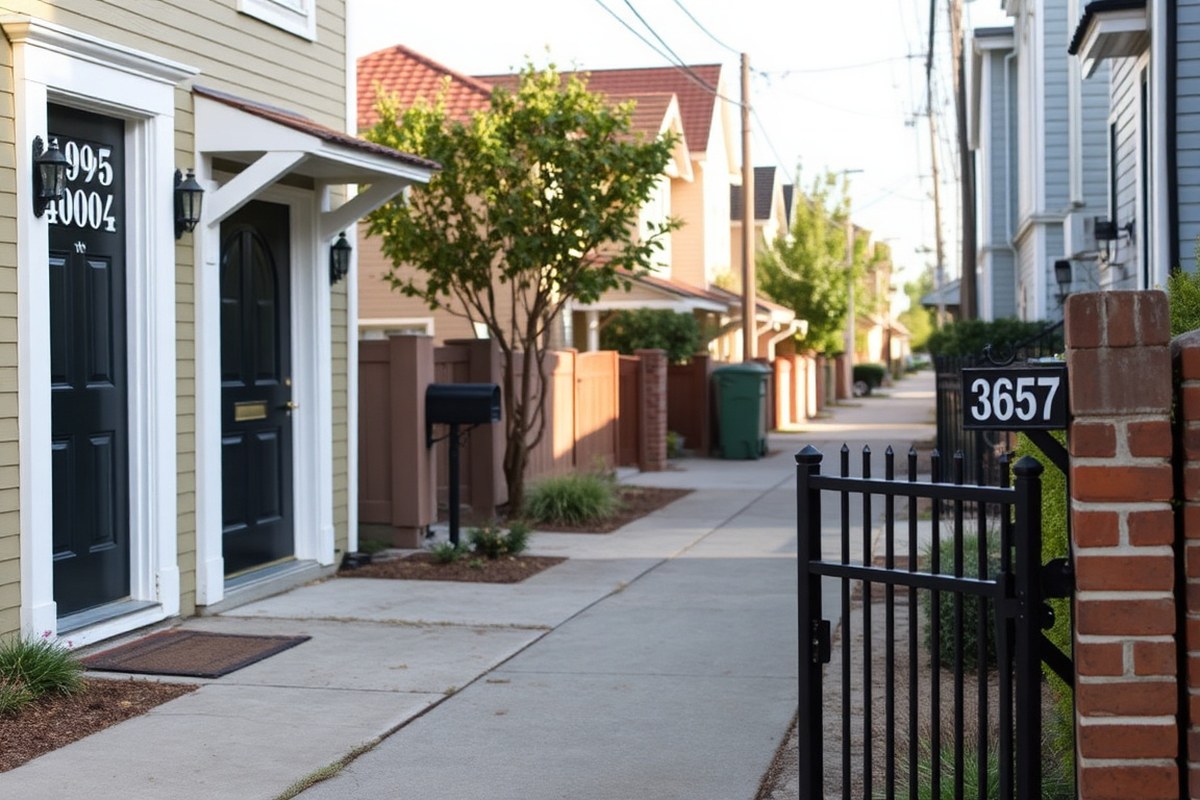
Post house numbers where they are easy to spot from the street or road since emergency personnel need to locate your home fast. The best places are by the front door or on the porch, especially when visible from the street. For houses located farther than 45 feet from the front boundary, put numbers on a gatepost, fence, mailbox, or another visible spot close to the driveway entrance. This helps responders identify your address quickly when arriving from the street.
Multiple entrances or driveways on your property require house numbers at each one to prevent any mix-ups. Marking only one entrance can delay emergency response, so prioritize the primary access route, then add numbers to secondary drives if needed.
Rural homes or properties where GPS signals might be unreliable rely on visible signage more than most. Numbers painted on the curb or placed on a highly visible post at the street opening help emergency personnel who use plot maps rather than GPS. Reflective paint or plaques also improve visibility in low light conditions.
- Mount numbers at least 3 to 4 feet above the ground for easy visibility from vehicles.
- Use contrasting colors between numbers and their background to improve readability.
- For homes set far back from the street, put large, easy-to-read numbers on the mailbox or a planter near the road.
- Install numbers at every driveway or entrance used for vehicles.
- Keep numbers clean and free from dirt or foliage that might obscure them.
- Consider painting numbers on the curb if roadside display isn’t possible.
- Use lighting or reflective materials to ensure numbers are visible at night.
Make sure your house numbers are not blocked by trees, bushes, or decorations, as this can delay emergency help.
Proper placement combined with size and color gives first responders a clear target. Regularly check that your numbers remain visible after seasonal changes or construction projects nearby. Installing numbers on stable fixtures like metal posts or brick walls helps keep them secure and noticeable over time. Taking these steps reduces response times and helps emergency personnel locate your home without unnecessary delays.
Choosing the Right Size, Color, and Materials for House Numbers
Selecting house numbers with the right size, color, and material helps ensure they are easy to spot in emergencies. Numbers must be clear against the home’s exterior and withstand weather to stay visible year-round. Practical choices in these areas make it easier for first responders, visitors, and delivery drivers to find your address without delay.
Minimum Size Requirements and Recommended Sizes
House numbers should be at least 4 inches tall to meet common local regulations aimed at consistency and visibility. Choosing numbers between 4 and 6 inches tall is generally best for easy reading from the street without being too large for your home’s scale. Larger sizes improve visibility at greater distances but might look out of place on smaller homes.
For multi-story buildings or properties set far back from the road, consider numbers up to 8 inches tall. Check local ordinances as some cities require minimum sizes or even illuminated numbers for safety reasons.
Color Contrast Examples for Better Visibility
Contrast is key to quick recognition. House numbers should sharply differ from the background they are mounted on. For example, white numbers on dark siding or black numbers on a light-colored wall create the ideal distinction. Reflective or lighted numbers improve visibility further during nighttime or poor weather conditions.
Using colors that blend with your house’s exterior, like dark blue numbers on navy siding, reduces readability. Always choose colors that stand out and consider reflective paint or materials if your numbers are placed in shaded or poorly lit spots.
Durability and Visibility Comparison of Common Materials
Material choice affects both longevity and clarity. Metals like brass and stainless steel resist weather well but may need polishing to maintain visibility. Acrylic and plastic numbers often include reflective finishes that boost nighttime readability but can fade under harsh sun exposure. Wood offers aesthetic appeal but deteriorates faster in rain and sun unless sealed properly. Here is a comparison table showing material characteristics that influence house number performance:
| Material | Visibility | Durability | Cost | Reflective Options |
|---|---|---|---|---|
| Brass | Good, non-reflective | High, resists rust | Moderate to high | No |
| Stainless Steel | Good, slightly reflective | Very high, rust-proof | Moderate to high | No |
| Acrylic/Plastic | Excellent with reflective finishes | Moderate, can fade | Low to moderate | Yes |
| Wood | Variable, depends on paint | Low to moderate, weather sensitive | Low to moderate | No |
Materials that maintain contrast and resist wear reduce the chance that your numbers will become hard to see over time. Choose the option that fits your budget and climate while allowing for easy cleaning and upkeep to keep your house number clear year-round.
Illumination and Reflective Options to Improve Night-Time Visibility
Illuminated or reflective house numbers drastically improve visibility at night or in poor lighting, helping emergency responders find your home quickly. Proper lighting or reflective materials reduce delays by making your address stand out from the street, especially when visibility is limited.
Types of Lighting Suitable for House Numbers
Lighting options vary based on your home’s layout and the location of your house numbers. Installing a small, focused light above or near the numbers is one of the most effective methods to ensure they are visible after dark. This could be a low-voltage LED light, which uses less energy and can last for years.
Another common choice is motion-activated lights. These switch on automatically when someone approaches, minimizing electricity use while ensuring that the numbers light up right when needed. Consider lights with a warm white or neutral light to avoid glare that can make numbers harder to read.
Use of Reflective Paint and Numbers
Reflective house numbers or paint reflect the headlights of approaching vehicles and streetlights, providing visibility without the need for electric lighting. This can be particularly useful in rural areas where street lighting is scarce or in situations where running electrical wiring is difficult.
Applying reflective paint to your existing numbers or replacing your numbers with reflective material costs around $10 to $30 for a set, offering a cost-effective option to improve visibility in low-light conditions. Make sure the reflective surface is clean and not covered by dirt or damage, as this will reduce its effectiveness.
Installing Solar-Powered Illuminated Signs
Solar-powered lights offer a convenient and energy-efficient way to keep your house numbers visible all night without wiring or electricity costs. These units include a solar panel that charges a battery during the day and powers LED lights at night.
These signs are easy to install and usually require mounting the numbers on a post or surface where they receive adequate sunlight for charging, typically at least 4 to 6 hours daily. Solar options vary in price from $20 to $60 based on size and brightness but can save money on electricity and maintenance over time. Follow these steps to install solar-powered illuminated house numbers effectively:
- Choose a location with direct sunlight exposure during the day, avoiding shaded or covered spots.
- Select house numbers designed with integrated solar LED lighting or add a compatible solar light fixture.
- Clean the surface where you plan to mount the numbers to ensure proper adhesion or secure attachment.
- Mount the numbers securely using screws or strong adhesive, depending on the surface.
- Install the solar panel at the optimal angle for sun exposure, often facing south in the Northern Hemisphere.
- Test the lighting after sunset to confirm the LEDs illuminate the numbers clearly.
- Regularly clean the solar panel and numbers to maintain light absorption and reflective effectiveness.
Legal Standards and Local Guidelines for House Number Display
Most local governments require house numbers to be clearly displayed to help emergency responders find your home quickly. These rules often specify the size, style, placement, and visibility of your house numbers to ensure they can be seen from the street day or night. Following them not only meets legal requirements but also supports faster emergency response, potentially saving lives.
The exact size of house numbers usually depends on local ordinances but commonly falls between 4 and 6 inches tall for visibility from the road. They must contrast in color with their background, making it easier to read from a distance. Emergency personnel need to identify your address quickly, so plain, bold, and reflective numbers are often recommended or required.
Placement rules commonly specify that numbers should be mounted on the front of the house, near the main entrance, or on a mailbox if it’s visible from the street. They should face the street they serve and be unobstructed by bushes, decorations, or snow. Some areas require duplicate numbers to be placed on both the house and the mailbox. Your home is set back on a long driveway; placing a second sign near the street or driveway entrance might be necessary.
Local councils may also restrict the style or font of numbers. Ornate or overly stylized fonts can be hard to read from the road and may violate guidelines. Consistent style and placement on all address signs on your property help avoid confusion. Considering replacing your house number with a name or removing numbers altogether means you should check with your local council first. Unauthorized changes can lead to fines or orders to restore proper signage.
Following these rules involves checking your city or town’s official website for address display guidelines. Many municipalities provide clear instructions, often free, and some offer inspections or assistance. Costs include buying compliant numbers and mounting hardware, generally between $10 and $50. Installing numbers yourself is straightforward with basic tools, but some may prefer professional help for proper placement and fastening. After installation, walk or drive the route emergency responders would take to confirm visibility at different angles and times of day.
Always verify local regulations before altering your house numbers, since incorrect display can delay emergency services and result in penalties.
Common Mistakes with House Numbers and How to Fix Them
Common issues with house numbers often reduce their visibility during emergencies, delaying response times. Faded paint is one of the top problems. Over several years, exposure to sunlight, rain, and snow breaks down the paint, causing the numbers to blend into siding or walls. Repaint numbers every 2 to 3 years with exterior-grade paint designed for outdoor use. Choose colors that sharply contrast with the background to maintain clear visibility.
Another frequent error involves poor contrast. Numbers that closely match their surface color or are too thin fail to stand out from a distance. Use bold typeface numbers at least 4 inches tall. Dark colors, like black, on light surfaces or white on dark surfaces usually provide the best contrast. During replacement, consider vinyl or metal numbers with a matte finish to avoid glare that obscures digits.
Obstruction is a common problem that homeowners often overlook. Overgrown shrubs, tree branches, or parked vehicles can block the view of numbers from the street. Trim foliage monthly during the growing season, and ensure numbers remain fully exposed. Avoid placing house numbers behind gates or inside glass boxes without illumination.
- Inspect house numbers twice a year, spring and fall, for fading, damage, or obstruction.
- Use at least 4-inch tall numbers with strong color contrast against the mounting surface.
- Clean numbers and the surrounding area regularly to remove dirt and grime.
- Trim vegetation monthly and clear snow accumulation during winter.
- Choose durable materials such as metal or UV-resistant plastic to withstand weather.
- Repaint or replace numbers every 2 to 5 years depending on material and exposure.
- Consider installing solar-powered or battery-operated lights to boost nighttime visibility.
Many homeowners try to save money by using stickers or lightweight plastic numbers, which quickly fade or peel away. Investing in rust-proof metal numbers costing around $10 to $30 offers longer-lasting visibility. Proper mounting using screws instead of adhesives also prevents numbers from falling or twisting out of view.
Untimely maintenance can lead to emergency responders missing or delaying locating a property. A quick fix includes establishing a regular schedule to check and update house numbers. Have a clear spot visible from the street and well-lit for all hours. These small efforts matter when every second counts in an emergency.
How Emergency Responders Use House Numbers Alongside Modern Technology
Emergency responders rely on visible house numbers to pair the physical address with location data from GPS and dispatch maps effectively. When a 911 call is placed, dispatchers immediately use the caller’s information and GPS coordinates from the phone to pinpoint the approximate location. However, GPS can sometimes be inaccurate, especially in rural or densely populated areas where addresses are close together or GPS signals are weak. Clear and unobstructed house numbers provide a important confirmation that responders are heading to the right location without wasting time.
Dispatchers cross-check the GPS coordinates with addresses displayed on their digital maps to verify the correct destination. When house numbers are prominently displayed and easily readable from the street, responders can quickly match the dispatch map information to the physical property. This process takes just seconds but can save several minutes that might otherwise be lost driving around or stopping to verify locations. Minutes can be critical in medical emergencies, fires, or violent crimes.
In cases where house numbers are ambiguous, confusing, or missing entirely, responders face delays or errors in finding the right house. Sometimes multiple houses share a similar number, or numbers are worn out, hidden behind trees, or mounted at unclear angles. Emergency responders may try to contact the caller again for clarification or rely solely on GPS, which increases response time. To avoid this, your house number should be displayed in a straightforward, unobstructed manner aligned with the street visible to crews arriving by car.
When house numbers are missing or hard to read, dispatchers might have to send responders on a broader search within the neighborhood, which can delay medical treatment or firefighting. Some localities have programs encouraging homeowners to improve address visibility, and responders often carry handheld devices to double-check addresses against emergency records. The cost to install clear, standardized house numbers is usually low, ranging from $10 to $50, depending on the materials, and the investment can save lives by reducing response times.
For different situations, such as rural areas where houses may be far apart or hidden behind landscaping, responders rely more heavily on GPS and dispatch mapping. In urban or suburban settings, clear house numbers play a more prominent role since GPS accuracy tends to be better, but the close proximity of buildings makes visible numbering important to avoid confusion. Dispatchers and responders continuously update and improve mapping databases, but a visible house number remains the simplest and most effective way to ensure rapid location identification.
Community Efforts and Homeowner Actions to Improve Address Visibility
Clear, visible house numbers are essential for community safety. Local efforts and individual homeowner actions help ensure emergency responders and delivery services find addresses quickly. Coordinated campaigns and regular maintenance play key roles in improving address visibility.
Organizing Community Visibility Campaigns
Neighborhood groups and homeowner associations can lead campaigns to promote visible house numbers. These efforts usually involve educating residents on proper placement, size, and contrast, and encouraging replacement or upgrades where needed. Campaigns can also include bulk ordering of standardized numbers or reflective decals for affordability. Steps to organize a successful campaign include:
- Partner with local authorities to understand regulations and best practices
- Distribute flyers or emails explaining why visible numbers matter for safety
- Schedule community workshops or open forums to guide residents on number placement
- Offer group discounts on house numbers or address plaques
- Coordinate with local hardware stores or sign companies for supplies
- Establish a house number check day where volunteers help inspect visibility
Visible numbers reduce emergency response times by several minutes, which can be critical during fires, medical emergencies, or crimes.
Getting City or Fire Department Support
Local fire departments, police stations, and municipal offices often support efforts to improve address visibility. They can provide specific guidelines, help verify whether numbers meet legal requirements, and sometimes offer free or discounted signage programs.
To get assistance, contact your city’s fire prevention office or non-emergency police department line. Many cities list resources on their official websites. Public safety officials may also participate in awareness drives or help distribute reflective number kits.
Delivery services also benefit from clear house numbers. Drivers can navigate more efficiently, reducing late or missed packages, and improving neighborhood satisfaction. Supporting these services reinforces the value of maintaining good address visibility throughout your community.
Routine Checks and Maintenance Reminders
Regularly inspecting and maintaining house numbers is essential to keep them visible year-round. Weather, paint fading, overgrown vegetation, dirt, or damage can diminish the numbers’ legibility, especially from the street or in poor lighting conditions. Homeowners should:
- Schedule a visibility check at least twice yearly, ideally during spring and fall
- Trim bushes and trees that block sightlines from the street
- Repaint or replace numbers if they become faded, chipped, or rusted
- Clean numbers and reflective surfaces to remove dirt or debris
- Install or replace illumination or reflective options ahead of darker months
Establish a reminder system using phone alerts or calendar entries to prompt these checks. A well-maintained house number ensures emergency responders don’t waste critical seconds locating your home.
Keep your numbers free from obstructions; even a small branch or shadow can delay emergency response.
Step-by-Step Action Plan for Improving Your House Number Visibility
Follow these steps to ensure your house numbers help emergency responders find you quickly and safely.
- Day 1: Check your current house numbers from the curb and driveway entrances. Confirm you can clearly see them from the street without obstruction.
- Day 2: Measure your house number size and compare it to local regulations or general recommendations, such as 4 inches tall for suburban homes. Replace smaller numbers as needed.
- Day 3: Select high-contrast colors like white numbers on a dark background or black on a light surface. Ensure numbers use non-reflective or reflective materials based on your lighting conditions.
- Day 4: Install house numbers on the front of your home and at any driveway entrances. Position them at eye level, avoid shadows or blocked views, and secure them firmly.
- Day 5: Add illumination options such as battery-powered LED lights or solar spotlights focused on the numbers to improve nighttime visibility.
- Week 2: Test visibility again after dark and during different weather conditions. Ask a neighbor or friend to view the numbers from the street and provide feedback.
- Month 1: Inspect your numbers for wear, fading, or damage. Clean or replace them as needed to maintain visibility year-round.
- Ongoing: Participate in community efforts by encouraging neighbors to maintain visible house numbers to strengthen overall emergency response effectiveness.
Frequently Asked Questions
Why Do Emergency Responders Rely on House Numbers?
Emergency responders depend on house numbers for quick location identification, which reduces response time in critical situations. Clear numbers prevent delays that could impact safety during an emergency.
Can Poorly Visible House Numbers Delay Emergency Services?
Yes, poorly visible house numbers can cause significant delays for emergency personnel finding your home. This increases risk during urgent medical or fire situations.
What Makes House Numbers Easier for Emergency Crews to Spot?
Contrast with the background and proper illumination make house numbers easier to spot. High visibility helps responders find your home fast, especially at night or in bad weather.
Are House Numbers Important for Rural Homes in Emergencies?
Absolutely, rural homes especially benefit from clear house numbers due to longer distances and less street lighting. Visible numbers help emergency teams avoid confusion and wasted time.
How Often Should I Check My House Numbers for Emergency Readiness?
You should check house numbers at least twice a year to ensure they remain visible and intact. Seasonal changes and weather can wear down numbers or block visibility.
Can Landscaping Affect Emergency Responders’ Ability to See House Numbers?
Yes, overgrown bushes or trees can hide house numbers and slow emergency responders. Regular trimming around your address numbers ensures quick and easy visibility.
Wrapping Up
Clear, visible house numbers can significantly speed up emergency response times by guiding responders directly to your location. Taking the simple step today to assess and upgrade your house numbers sets the foundation for safer outcomes in emergencies. Start by examining your numbers tonight from the street to see if they stand out as they should.