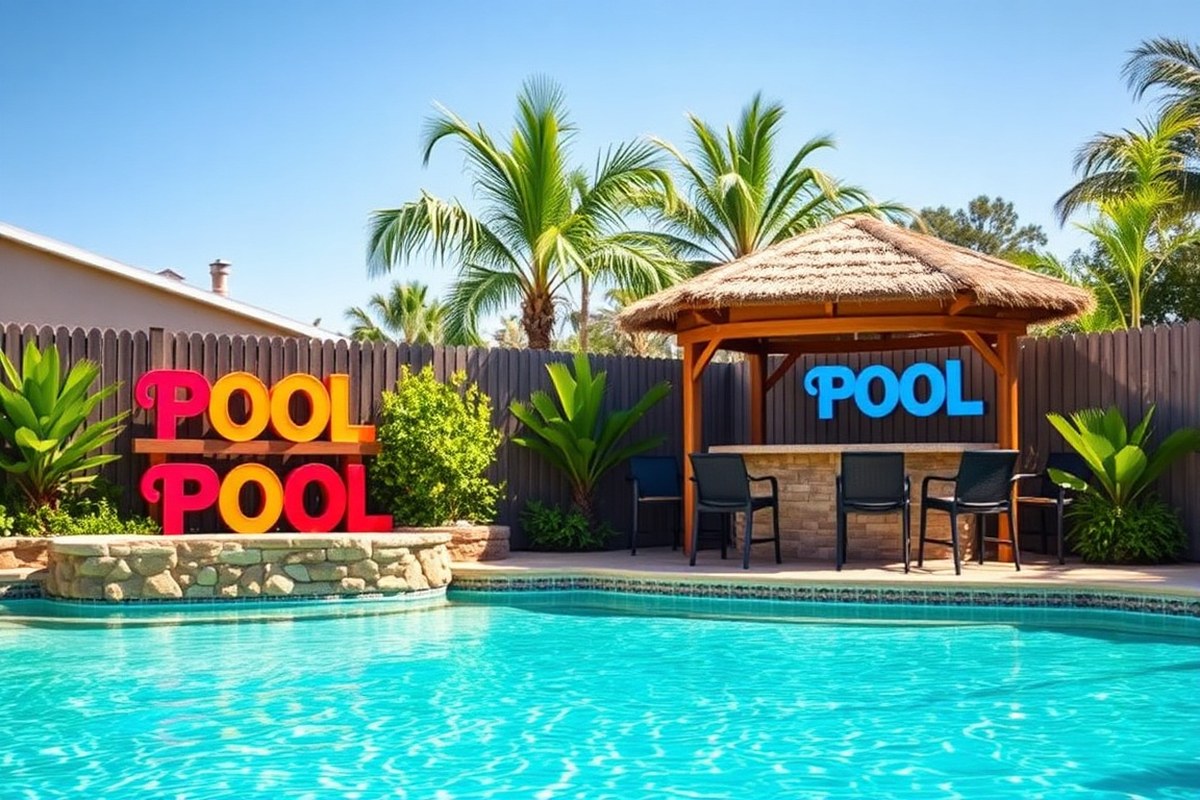
Pool Sign Ideas: Creative and Practical Options for Every Poolside
Pool sign ideas help you communicate rules, add personality, and boost safety around your pool. Choosing the right type and material ensures signs last through sun and water exposure while fitting your style. Start by selecting durable signs designed for outdoor use to avoid frequent replacements.
Key Takeaways
- Select 4mm corrugated plastic with UV-resistant ink for pool signs to withstand humidity, sun, and outdoor conditions up to 18 months.
- Use customizable signs with your specific pool rules or branding for clear and legal compliance messaging.
- Incorporate family names or fun messages with wooden or chalkboard signs to personalize your pool area.
- Consider vertical 12″ x 18″ signs for stacked messages, ideal for multiple pool locations or HOA standards.
- Retro metal signs add vintage charm without sacrificing outdoor durability.
- Match sign sizes and designs across a property for a cohesive and professional look.
Types of Pool Signs and Their Uses

Pool signs fall into several key categories, each serving a distinct purpose around your pool area. Safety signs emphasize rules and precautions like no diving, maximum occupancy, and pool hours. These ensure swimmers follow legal and recommended guidelines, helping prevent accidents. Decorative signs create a relaxed atmosphere with beach or tropical themes, often used for pool party bars or tiki bars. Personalized signs display family names or custom messages, adding a unique touch to your poolside space. Fun signs incorporate humorous quotes or playful images to improve the social vibe during gatherings.
Choosing the right type depends on what you want to communicate. For safety, include clear, concise rules such as “No Running,” “Swim at Your Own Risk,” or “Children Must Be Supervised.” For a pool party bar or tiki bar area, signs with vibrant colors and messages like “Tiki Bar Open” or “Drink Responsibly” work well. Personalized signs are ideal for marking ownership or celebrating your pool’s name, for example, “The Johnson Family Pool.”
- Safety Signs: Pool rules, emergency instructions, depth markers
- Decorative Signs: Tropical themes, beach motifs, festive colors
- Personalized Signs: Family names, custom quotes, monograms
- Fun Signs: Humorous sayings, playful warnings, party messages
The table below compares these types by typical use cases to help you decide which fits your pool setting best.
| Type | Primary Use | Recommended Content | Ideal Location |
|---|---|---|---|
| Safety Signs | Informing and enforcing pool rules | No diving, max occupancy, pool hours, emergency info | Main pool entrance, visible from pool deck |
| Decorative Signs | Improving atmosphere | Beach or tropical imagery, welcoming messages | Near pool parties, lounge areas, tiki bars |
| Personalized Signs | Custom identification and personal style | Family names, pool names, personalized quotes | Pool gate, patio walls, by seating areas |
| Fun Signs | Adding humor and lightheartedness | Funny rules, playful sayings | Pool party bars, social zones, cabanas |
To apply these signs effectively, match the messaging with the sign’s purpose and location. Safety signs should use simple language and large, readable text in durable, weather-resistant materials to maintain visibility and comply with local regulations. Decorative and fun signs can use vibrant colors and creative fonts but still need to endure sun and moisture. Personalized signs typically cost more; for example, custom metal or rustic signs priced between $70 and $250 reflect craftsmanship and materials. Choose sizes like 12″ x 18″ for rules signs or wider formats for hours and guest policies to suit visibility from different pool areas.
Combining these sign types in your pool area creates a balanced environment that is safe, welcoming, and uniquely yours. Using clear safety messages alongside decorative and personalized touches provides practical benefits while improving the poolside experience for family and guests.
Choosing Durable Materials for Outdoor Pool Signs

Choosing the right materials for your outdoor pool signs ensures they stay clear, legible, and attractive despite constant exposure to the sun, water, and pool chemicals. Durable materials that resist fading, warping, rust, and corrosion are essential for long-lasting performance by the poolside.
Among the best materials, heavy-duty metal with corrosion-resistant coatings can withstand harsh weather and pool chemicals without significant wear. Acrylic signs offer a weather-resistant option with a sleek look that complements modern pool areas. Plastic options like coroplast are more affordable but typically last only 12 to 18 months outdoors. Wood is less common for pool signs because it tends to warp or degrade when exposed to moisture and sunlight. LED signs provide visibility day and night but require electricity and maintenance.
| Material | Pros | Cons | Durability Outdoors | Typical Cost Range |
|---|---|---|---|---|
| Metal (with corrosion-resistant coating) | Rust-proof, weatherproof, long-lasting, professional look | Heavier, higher upfront cost | 5+ years with proper installation | $70, $125 per sign |
| Acrylic | Weather-resistant, modern appearance, resistant to fading | Can crack with impact; some UV fading over time | 3, 5 years | Varies, typically comparable to metal |
| Plastic (Coroplast) | Inexpensive, lightweight, easy to customize | Less durable, fades and warps under sun and water | 12, 18 months | Under $50 |
| Wood | Natural look, customizable | Prone to warping, rotting, and fading outdoors | Less than 2 years without heavy treatment | $50, $100 depending on treatment |
| LED | Visible day & night, eye-catching | Requires electrical supply, maintenance | 3, 7 years depending on quality | $150 and up |
Keeping your outdoor pool sign in top condition goes beyond material choice. Using UV-resistant coatings, mounting signs away from direct water spray, and cleaning them regularly with gentle, non-abrasive cleaners reduce damage. Tightening screws and checking for rust spots annually also prolong lifespan. Signs made of metal or acrylic provide the best balance of durability and aesthetics for long-term use, especially in residential or community pools where clarity and safety reminders are important.
Protect metal signs by applying a clear sealant once a year to prevent corrosion, especially near saltwater pools.
For short-term events or seasonal setups, low-cost plastic signs can work, but expect to swap them out annually for clear visibility. Metal signs with rust-proof finishes or durable acrylic are better for long-term pool signs because they resist sun, water, humidity, and chlorine without losing shape or color for years.
How to Customize and Personalize Pool Signs
Pool signs can be fully customized to match your style, pool rules, or family personality. You can add specific text, choose the size and style that fits your space, and even include names, logos, or themed artwork. Whether you buy a custom sign or create one yourself, there are plenty of options to make your pool signage unique and functional.
Personalization Options Available
Custom pool signs come in various materials and sizes to fit your needs. The most common size is the 18×24 inch yard sign, but smaller and larger formats are also available depending on your space and message. You can personalize the text to include safety rules specific to your pool, your family name, or even your pool’s name for a welcoming touch.
Adding logos or themed art like mermaids, flamingos, or hibiscus designs lets you coordinate the sign with your pool’s décor. Metal and wooden options offer different looks: metal signs often provide durability and a modern or retro feel, while wooden signs bring a warm and natural vibe. Some custom signs also come with grommets for easy hanging on fences or railings, a practical detail for poolside installation.
DIY Pool Sign Creation Tips
Creating your own pool sign is a straightforward way to personalize your space at a lower cost. Chalkboard signs allow you to change messages frequently, adding humor or notes for guests and family members. For a longer-lasting sign, customizing wooden or metal material with paint or vinyl lettering works well. Here’s a step-by-step process to make a custom DIY pool sign:
- Pick your base material such as plywood, a chalkboard, or a ready-made metal blank.
- Design your message and graphics on paper or using design software for accuracy.
- Choose weather-resistant paint, stencils, or vinyl decals suitable for outdoor use.
- Transfer your design onto the sign surface carefully, using stencils or freehand painting.
- Seal the completed sign with a clear outdoor sealant to protect from moisture and sun damage.
- Attach hardware like hooks or grommets to mount your sign on a fence, wall, or post.
- Position the sign in full view but protected from direct water splash if possible.
Diy signs cost less but may require more time and patience to achieve professional-looking results. Materials with UV and weather resistance improve longevity significantly. Avoid thin, untreated wood or indoor paints that deteriorate with poolside humidity.
Custom LED vs. Traditional Signs
LED or digital pool signs provide bright, changeable messaging which can be useful for variable rules or alerts. They tend to be more expensive upfront, with prices ranging from a few hundred to over a thousand dollars depending on size and features. LED signs also require power sources and may need more maintenance compared to traditional signs.
Traditional custom signs made from metal, wood, or durable plastic remain popular for their simplicity and classic appearance. They don’t need electricity and can last for years with proper care. Digital signs often work best for commercial or community pools where messages change frequently, while homeowners usually prefer static signs for straightforward communication and personal style.
Optimal Placement Strategies for Pool Signage
Place pool signs where they’re easily seen upon approach to ensure safety and compliance. Locate main safety and rule signs near entrances or gates leading to the pool area. This gives swimmers and guests a clear view of expectations before entering the pool zone. Use 24 by 18 inches for these signs to maintain legibility from about 10 to 15 feet away.
Depth markers and secondary safety notices work well in a 9 by 12 inch size and should be installed along the pool’s perimeter at eye level. Markers placed every 10 to 15 feet on the pool edge help users gauge water depth accurately. Use H-wire stakes to install signs in grassy areas around the pool, especially if walls or fences do not offer enough space. This method stabilizes signs and avoids damage to walls.
Decorative and humorous signs add personality and create an inviting atmosphere. Position these signs away from critical safety messages so they do not compete for attention. Consider placing a funny sign by pool loungers or near outdoor seating where it can lighten the mood without distracting from the main safety rules. For different pool sizes, here’s a quick placement checklist to optimize signage:
- Main rule sign (24×18”) at each entry gate or door to the pool area
- Depth markers (9×12”) spaced every 10, 15 feet around the pool perimeter, mounted at eye level
- Secondary safety signs near equipment areas, e.g., pumps or heaters
- Decorative or humorous signs in seating zones or poolside dining spaces
- Use H-wire stakes for signs in grassy pool surrounds
- Ensure signs are mounted or staked so they face common walking paths or lines of sight
- Avoid placing signs in shaded or glare-prone spots to maintain visibility at all times
For smaller pools, limit the number of signs to reduce clutter but prioritize entry and depth marks. Larger pools need multiple depth markers and extra rule signs if they have multiple access points. Signs should be weather-resistant, especially metal options, to withstand sun exposure, humidity, and pool chemicals.
Signs that are too small or poorly positioned reduce clarity and increase safety risks. Conversely, oversized signs can overwhelm the space and detract from the poolside décor. Balancing visibility, size, and design helps maintain order, prevents accidents, and complements the look of your outdoor living space.
Safety Messaging and Legal Requirements for Pool Signs
Choosing the right pool sign for safety means including clear, legally required information that matches local regulations and HOA rules. Signs must show essential safety instructions, emergency contact details, and comply with any community or municipal mandates. Following these guidelines helps you avoid fines and keeps everyone informed and protected.
Essential Safety Information to Display
Your pool sign should include clear, easy-to-read rules outlining hours of operation, age limits, guest policies, and prohibited actions such as diving or running. Use bold fonts with contrasting colors so the text stands out for quick visibility. A standard size for supplementary notices is 6 inches by 18 inches, ideal for placing emergency contact numbers or lifeguard hours below a main rules sign. Templates exist that cover common pool safety topics; starting with one ensures you don’t miss critical points.
Include information on proper conduct, such as no glass containers and adult supervision for children, to prevent accidents. Display these rules where pool users gather, like near gates or seating areas, ensuring guests know what’s expected upfront. Clear instructions reduce confusion and help pool owners meet local safety recommendations.
Legal and HOA Compliance Guidelines
Pool sign requirements vary by municipality and HOA, but nearly all require visible signage listing safety rules and emergency procedures. Local laws may mandate specific wording or sign sizes, so check with your city’s building or health department before installing signs. Many pools also need signs specifying lifeguard hours or stating that no lifeguard is on duty.
HOA rules often have additional standards such as uniform sign styles or approved wording. You can request custom signs from manufacturers that follow these criteria to ensure your signs won’t be rejected. Costs for custom compliant signs vary, but expect to spend $50 to $150 depending on size and material. Staying within legal and HOA guidelines prevents costly fines or forcing sign removal.
Emergency Contact and Lifeguard Notices
Include a clear emergency phone number on every pool sign, visible at all times. This should be large enough to read from a distance, using bold font and contrasting background colors. If lifeguards are present, post their hours prominently, many pools use separate narrow 6″ by 18″ signs for this beneath the main rule board.
For pools without lifeguards, include a notice stating “No Lifeguard on Duty” to alert swimmers to take extra caution. These signs support legal messaging requirements and encourage responsible behavior. Regularly update contact numbers and lifeguard schedules to keep information current and avoid confusion during emergencies.
Always verify local municipal and HOA signage regulations before ordering pool signs to ensure compliance and avoid costly replacements.
Creative and Humorous Pool Sign Ideas
Adding humorous or themed pool signs is a great way to inject personality into your pool area while keeping messages clear. Using playful sayings and creative visuals helps visitors feel welcome and relaxed, making your outdoor space more inviting. At the same time, these signs serve an important role by capturing attention, sometimes humor is the best way to encourage compliance with pool rules without sounding strict.
To create humorous pool signs, start with fun phrases that fit the pool vibe. Choose wording that’s lighthearted but still directs behavior or highlights pool etiquette. Here are some examples that work well on signs around the pool:
- “Water you doing? Swim safe and have fun!”
- “No running, unless you’re training for the Olympics”
- “Pool closed for mermaid practice”
- “Caution: Frequent cannonballs ahead”
- “Swim at your own risk, and happiness”
- “Float on, friends. Chill zone in progress”
- “Warning: May cause extreme relaxation”
When designing these signs, match colors and fonts with your existing pool decor to create a cohesive look. For instance, coastal themes pair well with light blues and sandy tans, along with rustic or distressed fonts for a beachy feel. Tropical themes may use vibrant greens and bright accent colors with playful script fonts. Adding whimsical characters like starfish, dolphins, or pool floats can improve the theme and draw further smiles.
Reusable chalkboard signs offer a smart option if you like to update messages frequently. These let you write new greetings or event details quickly without the cost and waste of new signs. For example, a chalkboard template for a pool party could read, “Today’s Splash Hours: 3 PM to 7 PM, Dive In!” in bright chalk markers. Change it for birthdays, holidays, or casual weekend moods easily.
Setting up your custom or chalkboard signs typically costs around $20 to $50 each, depending on size and materials, with chalkboards often reusable for years. Ensure they’re made of weather-resistant materials or placed under some cover to maintain visual appeal and legibility over time. Poor quality signs may fade quickly, making messages unclear and defeating their purpose.
Keeping pool signage fresh and fun, while following basic safety reminders through humor and theme, encourages guests to respect the space. By blending playful language with your pool’s look and using flexible sign options, you keep the vibe lively and inviting without sacrificing clarity.
Common Pool Sign Mistakes and How to Avoid Them
Common mistakes with pool signs include picking materials that fade or degrade quickly, crowding too many words or images on one sign, and placing signs where they are hard to see or read. Avoiding these errors ensures your pool signs are both attractive and effective, clearly communicating rules or adding style without confusion.
Poor Material and Colors
Choosing the wrong materials means your pool sign may fade, peel, or become unreadable due to sun exposure, water, and humidity. Signs made without UV-resistant inks or protective coatings lose vibrant colors within months. Using low-quality plastics or untreated wood also leads to warping and damage. Select materials specifically designed for outdoor use, like aluminum with UV-resistant coatings or marine-grade acrylic, which can last several years near water.
Colors matter for both readability and durability. High-contrast schemes, such as white text on dark blue or black backgrounds, improve visibility. Avoid pastel or neon colors that can fade quickly or reduce legibility when wet or shaded. Proper color choices help signs stay clear and stylish, preventing early replacement costs of $50-$150 per sign depending on size.
Cluttered or Confusing Messages
Overloading a pool sign with too much text, multiple fonts, or excessive graphics makes it difficult to grasp the message at a glance. Pool users and guests may miss key safety rules or directions if they have to spend extra time deciphering the sign. Combining artistic style with clear messaging requires balance, limit wording to essential information and use simple, readable fonts like Arial or Helvetica. Here’s a quick checklist for creating well-designed pool signs:
- Keep the message concise, ideally fewer than 12 words
- Use no more than two font styles to maintain clarity
- Include universal symbols or icons to reinforce text
- Choose contrasting colors for text and background
- Allow sufficient spacing between lines and around edges
- Proofread for errors and get feedback from someone unfamiliar with the pool
A good example shows “No Diving” in large white letters on a solid dark blue background with a simple diving icon. A poor example displays “Please Do Not Dive into Pool Area Because of Safety and Liability Reasons” in various fonts, colors, and small text size, making it confusing and easy to ignore.
Incorrect Size and Placement
Signs that are too small or placed in low-traffic or obstructed areas often fail to communicate their message effectively. A sign that blends into the surroundings or is hung where people don’t naturally look is wasted. Too large signs can overwhelm and reduce the decor appeal near your pool. Follow these steps to pick the right size and place pool signs effectively:
- Measure the typical viewing distance, signs should be readable from at least 10 feet away for common pool areas
- Choose sign sizes proportionate to viewing distance: generally, 8″ by 12″ up to 12″ by 18″ works well outside residential pools
- Identify natural sightlines such as near entrances, on pool fences, or beside seating areas
- Ensure signs are mounted securely and exactly at eye level or slightly above (approximately 5 to 6 feet from the ground)
- Avoid placing signs behind plants, umbrellas, or pool equipment
- Use multiple signs for larger pools or areas with several entrances
For example, a poorly placed “No Lifeguard on Duty” sign tucked behind a tall bush will be missed. A well-placed sign is visible immediately on arrival, with clear wording and vibrant colors that stand out from the background.
Accessories and Installation Tips for Pool Signs
Mounting hardware for pool signs varies depending on the sign type, material, and pool setting. Grommets are metal or plastic rings embedded in vinyl or flexible signs. They make it easy to hang signs with zip ties, bungee cords, or hooks. Grommets work well for lightweight, temporary signs and can be positioned on fences, gates, or railing near the pool.
Stakes are ideal for lawn or dirt areas around in-ground pools. For example, metal stakes driven 6 to 12 inches deep provide sturdy support for rigid aluminum or plastic signs. Stakes keep signs visible without permanent mounting and allow repositioning. Use wide, flat-head stakes or two stakes per sign for stability in windy areas.
Frames suit heavier, larger, or permanent pool signs. Aluminum or steel frames with rust-resistant coatings stand up to poolside moisture and sun exposure. Frames either bolt directly to concrete, wood posts, or can be mounted on sturdy walls. Installing a frame involves pre-drilling holes, using appropriate anchors (like expansion bolts for concrete or lag screws for wood), and sealing around mounting points to prevent water damage.
Zip ties offer a quick and inexpensive way to attach signs to fences or railings. For metal chain link fences, use UV-resistant zip ties every 12 to 18 inches along grommeted edges. Replace zip ties annually to prevent brittleness or breakage from sun exposure. Zip ties do not hold well on wooden fence slats or smooth surfaces without grommets or holes.
- Vinyl signs: use grommets plus UV-resistant zip ties for easy mounting on fences or railings.
- Metal signs on lawns: install with two metal stakes driven at least 6 inches deep for stability.
- Heavy aluminum or wood signs: mount on rust-resistant metal frames bolted into concrete or wood posts.
- Temporary signs: attach with removable adhesive hooks for short-term use without damage.
- Signs on gates: secure with padlocks and chains or heavy-duty zip ties for vandal resistance.
- Poolside walls: use expansion anchors and rust-proof screws for heavy or framed signs.
- Plastic signs: lightweight and flexible, need grommets or frames depending on size and location.
Start installing by selecting the right location, confirming that the surface can support your chosen mounting method, and gathering matching tools and hardware. For signs mounted on walls, check for electrical lines or plumbing behind surfaces before drilling. Mark holes using a level to keep signs straight. For fence mounting, thread zip ties through grommets, pull tight, and trim excess.
Professional installation is beneficial for large or heavy signs, especially metal ones requiring drilling into concrete or wood posts. Experts will ensure proper anchors, waterproofing, and compliance with pool safety codes. Installation costs for professionals vary but typically range from $100 to $300 depending on complexity. Hiring a professional reduces risk of sign damage, structural harm, or safety hazards.
Use corrosion-resistant hardware like stainless steel screws or coated anchors to extend the life of pool sign installations exposed to water and chemicals.
Step-by-Step Action Plan for Your Pool Signs
Start improving your pool area with clear, creative, and safe signage by following this simple plan. Each step helps you take practical action and see results fast.
- Before You Start: Identify key messages your pool needs, such as safety rules and personalization ideas, ensuring compliance with local laws.
- Day 1: Choose durable materials suited for your climate, like weather-resistant metal or plastic, to make sure signs last through seasonal changes.
- Day 3: Customize your signs with personal touches, such as colors, fonts, or graphics, to fit your poolside style and get feedback from family members.
- Day 5: Decide on optimal sign placement, like near entries or poolside gates, and install signs at eye level for visibility and safety effectiveness.
- Day 7: Add necessary accessories like mounting hardware or protective coatings, then test stability and legibility from various distances.
- Week 2: Gather input on your signs’ clarity and impact from guests or regular pool users, adjusting if needed to prevent confusion or ignore warnings.
- Week 3: Inspect signs for wear or damage, replacing as needed to maintain safety standards and preserve your pool area’s look.
Frequently Asked Questions
What Materials Keep Outdoor Pool Signs Looking Good in Harsh Weather?
Signs made from waterproof PVC, aluminum, or acrylic resist fading and damage, keeping them clear and attractive for years. Choosing these materials helps ensure your sign withstands sun, rain, and pool splashes without frequent replacements.
How Do I Add a Personal Touch to Pool Signs Without Professional Help?
Use weather-resistant vinyl lettering or waterproof markers for DIY customization. This allows easy updates and creative designs reflecting your style without costly services.
Where Is the Best Spot to Place Pool Safety Signs for Maximum Visibility?
Place signs near pool entrances and common gathering spots where swimmers or guests must see them before entering. This ensures safety instructions and warnings are noticed and followed promptly.
Can Funny Pool Signs Still Communicate Important Safety Messages?
Yes, combining humor with clear wording keeps attention and makes messages more memorable. Use witty phrases but include direct safety information to balance fun with seriousness.
What Are Good Options for Mounting Pool Signs Without Causing Damage?
Use adhesive hooks, suction cups designed for outdoor use, or freestanding mounts to avoid drilling into surfaces. These methods keep pool areas intact and allow easy repositioning.
How Can I Prevent Pool Signs from Being Stolen or Moved?
Secure signs with tamper-proof screws or heavy bases to discourage theft and accidental moves. Anchoring signs firmly protects your investment and keeps important messages consistently visible.
Final Thoughts
Clear, attractive pool signs help keep your space safe and inviting. Start with one sign that communicates a key safety rule or personal message, then build your collection from there. Installing thoughtfully made signs protects everyone and reflects your style by the water.


