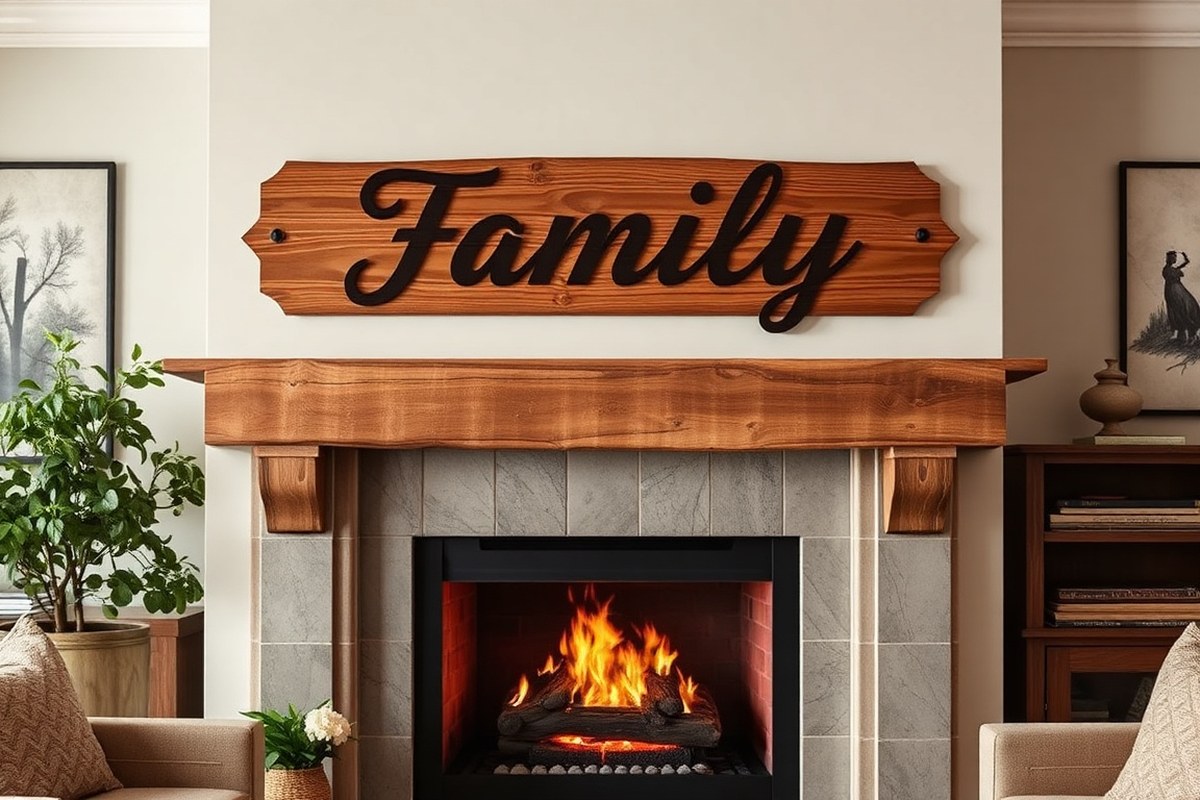
What to Put on a Family Sign: 9 Essential Ideas for Perfect Personalized Decor
Deciding what to put on a family sign starts with choosing the family name, which personalizes the piece and makes it meaningful. Adding an established date or a heartfelt phrase can deepen the connection and create a warm, welcoming atmosphere. Start by selecting key elements that reflect your family’s identity and values to make the sign truly special.
Key Takeaways
- Include the family last name prominently to ensure the sign’s purpose is clear and personal.
- Add an established date, such as a wedding year, to celebrate your family’s history.
- Choose a simple, meaningful phrase like “Home is where love grows” to convey warmth.
- Consider including first names when the sign represents multiple family members.
- Monograms are a stylish way to combine initials and create a classic look.
- Use clear, readable fonts to make sure your sign can be enjoyed from a distance.
1. What to Put on a Family Sign: Key Elements Explained
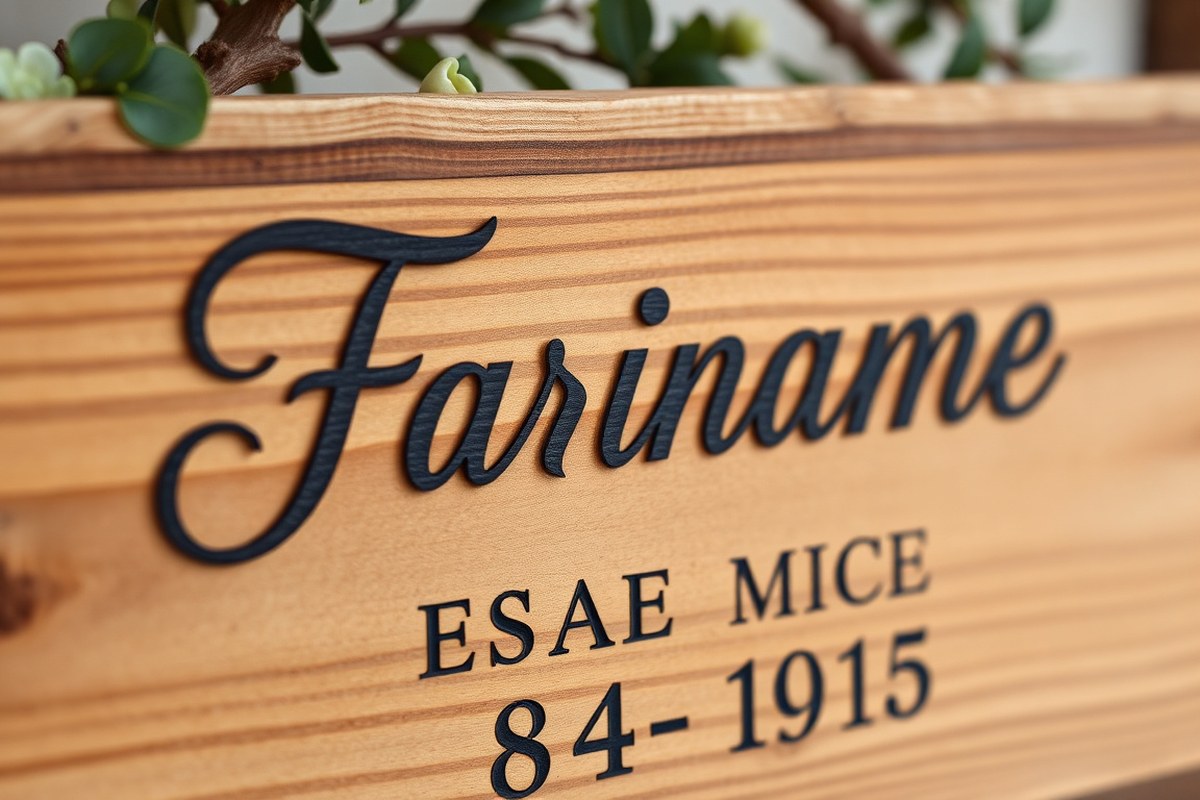
A family sign typically centers on the last name as its core information, clearly identifying who lives in the home. Choosing to display just the last name works well for a simple, elegant look, especially in spaces like above a doorway. This approach keeps the message straightforward and timeless. For example, a wood sign might feature “The Johnsons” in flowing script, costing around $79 for a framed style, offering an attractive yet cost-effective choice. Adding only the last name allows the sign to represent the entire family rather than individuals.
Some family signs include first names to highlight specific members or relationships. Including first names works best when the sign’s focus is on a couple or a particular set of family members, such as “Taylor & Brandon.” This personalization suits signs that commemorate a wedding or a new household shared by partners. Pairing first names with an established or wedding date adds a meaningful timestamp, showing when the family was founded. For example, a sign might read “Taylor & Brandon” with a small raised heart between the names and the date “Est. 2021” underneath. Adding first names typically raises the cost slightly; monogram signs incorporating initials can cost around $85 due to the complex design.
Including an established or wedding date is common and adds a layer of significance. The date can be the year the family was formed, the wedding date, or the year they moved into the home. Deciding on the date depends on what story you want the sign to tell. For a newly married couple, a wedding date emphasizes the beginning of their journey together. For a multigenerational household, an established year marks family continuity and legacy. The date is usually placed below the last name or the first names, often in a smaller font to complement the main text.
Quotations and phrases can personalize a family sign further but should be chosen carefully to keep the sign uncluttered. Short, meaningful phrases or greetings like “Home Sweet Home” or “Gather Here” add warmth and character without overwhelming the design. Including quotes is optional, and the decision should consider the available space and overall style. Some signs, such as seasonal or holiday-themed ones, integrate words like “Merry Christmas” along with family names and icons, providing a festive touch.
Monograms serve as a stylish visual element on family signs. A monogram sign usually features a large initial representing the family name, placed prominently at the center or top of the sign. This initial immediately draws attention and creates a classic, personalized look. The monogram is often accompanied by the full family name and an established date underneath. Monograms suit those wanting a traditional or formal style and work well for wall displays. Since monogram signs often demand more craftsmanship and detail, they are generally priced higher.
A useful rule when choosing which elements to include is to start with the family last name, then add one meaningful detail: either first names for a couple, an established date, a monogram, or a short phrase. Avoid combining too many elements to keep the sign clear and visually balanced. For example, a clean design might say “The Roberts” in script with “Est. 2018” below, while a sign for a couple could read “Emily & Jake” with a heart and date. This way, the sign reflects your family’s identity without clutter or confusion.
2. Popular Family Sign Styles: Comparing Design and Wording Options
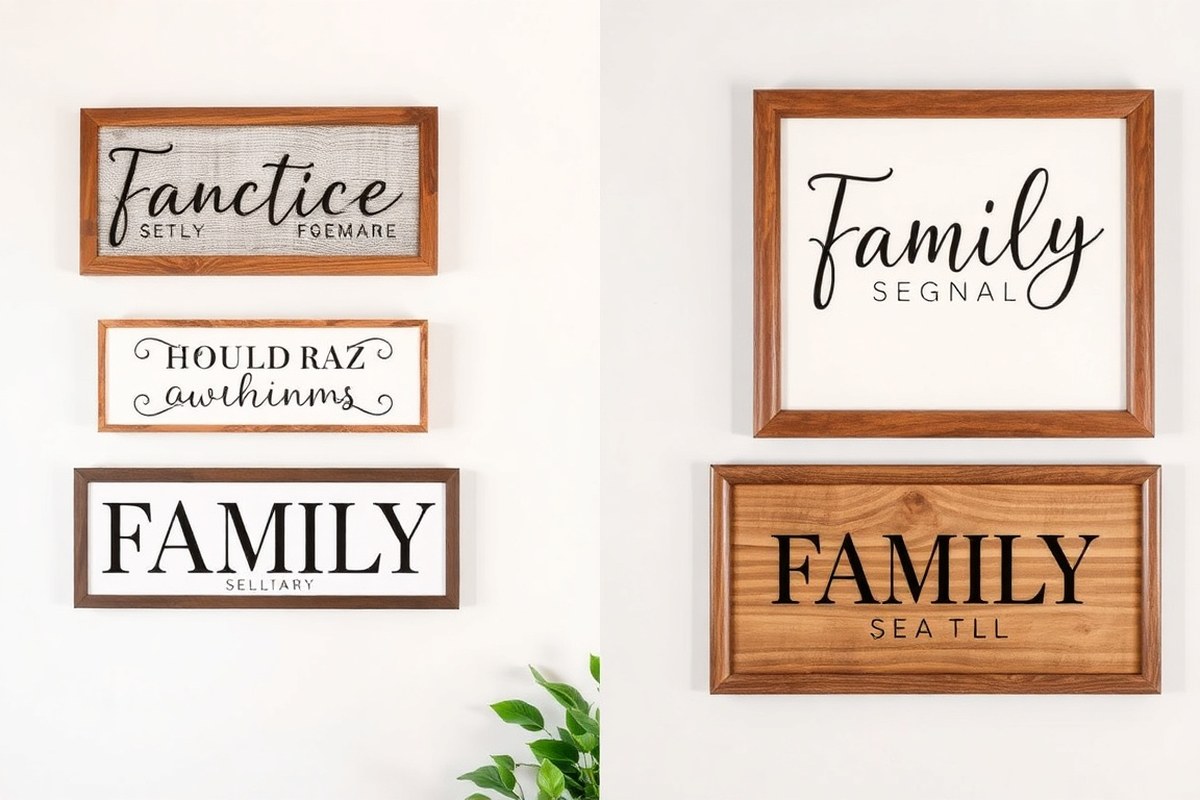
Choosing a family sign style affects both the message it conveys and how well it fits into your home’s décor. For instance, a framed family name sign typically features raised black script on a white backer, combining classic elegance with strong contrast. This suits living rooms or entryways with traditional, neutral tones. Block letters present the family name in tall capitals with a date centered between two horizontal lines, lending boldness and clarity; this style works well in modern or industrial spaces. Script signs offer elegance and fluidity, ideal for cozy kitchens or dining rooms.
Monogram signs focus on a visually striking split-letter design, usually a single or combined set of initials. These signs emphasize style over a full name, making them unique conversation starters that blend smooth into smaller spaces or minimalist décor. Established signs include the family’s founding date, often paired with the last name, grounding the message in legacy and timelessness. Outlined styles use line art or borders to add subtle texture without overwhelming a space, fitting well into casual or rustic homes.
The choice of wording often narrows with style. Full last names and dates are common in block and framed signs, while monograms keep it simple, using just initials. Script styles can include family mottos or phrases like “Home Is Where My Boys Are,” catering to more personalized messages. Established signs explicitly highlight origins, such as “Established 1997,” to immortalize family heritage.
| Style | Typical Wording | Price Range | Ideal Placement |
|---|---|---|---|
| Framed | Last Name in Black Script | $99.99 to $124.99 | Entryway, Living Room |
| Block Letters | Last Name in Caps with Date | $69.99 to $87.49 | Kitchen, Workspace |
| Script | Family Name with Wedding Date | $69.99 to $87.49 | Dining Room, Kitchen |
| Monogram | Initials Only | Varies widely* | Hallway, Small Spaces |
| Established | Last Name + “Established” + Year | $69.99 to $174.98 | Living Room, Fireplace Mantle |
| Outlined | Family Name or Motto | Varies* | Casual Rooms, Entrances |
*Price varies depending on size and customization options. For example, wreath or swashy signs have price ranges like Tk 11,400.00 to Tk 36,000.00, reflecting additional design details.
Keep your family sign message clear and simple to ensure it fits the chosen style and space without overcrowding the design.
Framed and block letter signs often work well as realtor closing gifts because they combine style with a clear family message. For rooms with lots of natural light, high-contrast styles like framed script stand out best. In smaller areas or minimalistic homes, monogram signs make a subtle but personal statement without overwhelming the space. Outlined and established signs add personality and a sense of tradition, fitting homes that favour rustic or farmhouse décor.
Choosing the right style depends on the message you want to send and where you plan to hang the sign. Balancing design, wording, and room style ensures your family sign complements your home and celebrates your family’s identity effectively.
3. Where and How to Hang a Family Sign for Best Impact
Family signs create a warm and personal touch when placed thoughtfully around your home or outside. The best spots balance visibility and décor style, while mounting securely helps preserve your sign’s look over time. Choosing the right materials and mounting methods adjusts for indoor versus outdoor conditions.
Indoor Placement Ideas
The most popular indoor spaces for family signs include the entryway, living room, and kitchen. These areas offer high visibility for guests and family members, welcoming everyone with a personal message or family name. Hanging a family sign near the front door creates an inviting atmosphere, while placing it above a mantel or on a prominent wall in the living room makes it a centerpiece.
Bathrooms and hallways are less common but can work well for smaller or themed signs, such as a family kitchen sign or holiday messages. Avoid overly humid areas like bathrooms without good ventilation if the sign material is wood, as moisture can cause warping or mold over time.
Outdoor Hanging Tips
Outdoor family signs should typically be placed near the front yard, porch, or on a fence where visitors can see them clearly. Popular spots include beside the front door, garage, or above house numbers. Position the sign under an overhang or porch roof when possible to protect it from direct rain and sunlight.
To hang outdoor signs safely, use mounting hardware designed for exterior use such as stainless steel screws or weather-resistant hooks. Avoid adhesives alone, as they may fail with temperature changes or moisture. Ensure the wall or surface is sturdy and clean for the best long-term hold.
- Choose shaded areas or add a clear protective coating to UV-sensitive signs
- Use waterproof caulk to seal mounting holes and prevent water damage
- Install signs at eye level, usually 4 to 6 feet off the ground for best visibility
- Secure mounting points to studs or masonry for heavier or larger signs
- Consider wind exposure; mount signs firmly or add braces in windy regions
Regularly inspect the sign and mounts for rust, looseness, or fading so you catch any issues early.
Material Considerations for Longevity
Choosing materials suited to your display location significantly extends the life of your family sign. Indoors, wood, canvas, and lightweight metals work well and provide rich visual warmth. For outdoor use, metals like aluminum or weather-treated wood resist warping and corrosion better.
Look for signs with UV-resistant finishes or protective acrylic coatings when exposed to sunlight. These coatings reduce fading and chalking, maintaining crisp colors and lettering. Outdoor metal signs often come powder-coated to resist rust and dirt.
Mounting hardware should match the material and location: stainless steel or galvanized screws prevent rust outdoors, while drywall anchors are suitable indoors. Never hang heavy wood signs with nails alone; use wall anchors rated for at least 20 pounds to avoid damage.
4. How to Personalize a Family Sign for Different Family Structures
Personalizing a family sign means acknowledging the specific makeup of your household. For blended families or those with multiple surnames, combining names can create an inclusive and meaningful message. Phrases like “The Johnson-Smith Family” or “The Martins & Lee Crew” work well. Alternatively, a template like “Together Since [Year], The [Surname] & [Surname] Family” creates a unified feel while respecting both family lines. Including the year you formed the family adds a sentimental touch and marks your unique beginning, which often resonates on a deeper level. Signs like the “Perfect Blend” from Tailored Canvases, priced around $100 to $125 before sale discounts, specifically cater to these blended family themes.
Single-parent households benefit from wording that highlights strength and warmth without implying a traditional two-parent setup. Options such as “Home is Where Mom Is” or “The [Parent’s Name] Family” are clear and heartfelt. Including children’s names can deepen the connection, especially in signs like “You, Me, and the Girls,” where kids’ names may be added below or alongside the main text. This approach lets every family member feel seen. When adding children’s names, keep the font size legible but balanced with the main family name to maintain visual harmony. Expect to pay more for additional customization like extra names, which can range from about $10 to $20 extra depending on the vendor’s pricing.
Extended families often want to include grandparents, cousins, or pets, making the sign feel like a collective home base. You might use wording such as “The Andersons & Co.” or “The Thompson Family and Fur Babies” to convey inclusiveness. When pets are part of the family, adding their names or using playful phrases such as “Home of the Browns, Dogs, Kids & Love” gives the sign personality. Nicknames and initials can be appropriate, but consider clarity and timelessness. Using nicknames like “Grandy” or initials like “J.D.” might be charming for a sign displayed at home but could confuse visitors or future family members if too informal. A balanced template for pets and kids might read: “The Clark Family, Sarah, Mike, Jake & Bella.”
Including initials instead of full names works well if space is limited or if you want a minimalist look. For example, “The S Family” with a small plaque listing each member’s initials underneath can be elegant and personal. Remember, legibility is key for signs typically sized from 18 to 24 inches wide, as smaller fonts may be hard to read from a distance.
Good results come from a clear plan: decide the main message (family name or concept), choose which members to highlight, and work with your sign maker to ensure proper spacing and font choices. Common mistakes include overloading the sign with too many names or using cursive fonts that complicate readability. Tailored Canvases and similar providers allow you to preview your design before ordering, ensuring the wording fits well and the design suits your space. Prices typically range from $100 to $250 depending on size and detail.
Personalizing a family sign means matching the text to your household’s story. Craft concise, inclusive wording that honors your unique family structure and adds names thoughtfully. This attention to detail ensures your sign becomes a cherished fixture, reflecting who lives beneath your roof.
5. Choosing the Right Date for Your Family Sign: Wedding, Established, or Other?
The date on a family sign carries meaning beyond just a number; it marks the moment your family’s story truly began. “Established” or “Est.” often appears on these signs to represent the year that milestone occurred. This can be the year you got married, the year you moved into your current home, or another important occasion that symbolizes your family’s start.
Choosing which date to feature depends on what feels most significant to your family. Many couples select their wedding date to honour the moment they officially became a family. Others prefer the year they bought or moved into their home, especially if the sign is intended to emphasize the household rather than the family unit itself. For blended families or unique situations, the date might mark when everyone came together under one roof or the year a child was born. The key is selecting a date that represents your family’s journey in a meaningful way.
You can choose to display just the year or include a full date with day, month, and year. Including the full date can add a personal touch, but it requires more space and careful design to avoid cluttering the sign. For example, a simple layout might read: Johnson Family
Est. 06.12.2010 This format keeps the date clear but concise. If space is limited or the design leans toward minimalism, just the year works well: Johnson Family
Est. 2010
When placing the date on the sign, it commonly goes below the family name or phrase, in a smaller font size to avoid competing with the main text. Using a lighter color shade or thinner font for the date helps maintain visual balance. For a sign about 12 inches wide, the date line might be 1 to 2 inches tall, depending on overall font choice.
Costs for including a date vary by sign size, material, and customization. Adding a date usually doesn’t increase prices dramatically, as it’s just additional text, but complex full dates may require more detailed engraving or printing, which can add $10 to $25 depending on the vendor. Typically, adding a simple “Est.” and a year falls within the standard price range for personalized signs.
Good results come from selecting a date that resonates with your family and placing it where it complements rather than overwhelms the design. Avoid putting the date too close to the edges or mixing it with busy graphic elements. Signs that clearly show the established date invite guests to recognize your family’s history and make the space feel lived-in and welcoming. Using “Est.” before the date is optional but common, as it suggests the family’s foundation year. For example: The Smiths
Est. 1995 This wording is simple, classic, and easy to understand. For a full date without “Est.,” the sign could say: The Smith Family
December 10, 1995 This version adds formality but requires more precise spacing.
Choose a date for your family sign that feels meaningful to all members; avoid overly long or complicated dates that can crowd the design and reduce readability.
6. Fonts, Colors, and Materials: Styling Tips for Family Signs
Choosing the right fonts, colors, and materials shapes the overall appeal and longevity of your family sign. Pick fonts that balance readability with style, coordinate colors to blend with your home’s look, and use materials suited for your sign’s location, indoor or outdoor. These factors ensure your sign looks great and lasts as intended.
Font Choices for Readability and Style
Fonts on family signs must be easy to read from a distance and fit your home’s personality. Sans-serif fonts like Helvetica or Arial offer clear readability and a clean modern look, making them perfect for everyday family signs. If you prefer a warmer, welcoming feel, serif fonts such as Times New Roman or Georgia add classic elegance without sacrificing clarity.
Script fonts add charm but can reduce legibility, especially at smaller sizes or from far away. Use scripts sparingly for names or short words, combined with a block font for supporting phrases. Consider a font size between 2 to 4 inches for main words depending on your sign’s placement.
Color Matching Tips for Any Decor
Pick colors that harmonize with your home’s interior or exterior palette for a smooth look. Neutral letter colors like grey, black, or white often work best as they complement most wall or door backgrounds without clashing. For example, grey lettering looks elegant against earth-toned wood or painted surfaces.
Use contrasting colors to boost visibility: dark letters on a light background or vice versa. Metallic finishes like gold or bronze add subtle sophistication and can highlight special elements such as raised hearts or icons on the sign. Pay attention to your home’s dominant hues when choosing from available wood colors, typically 12 shades ranging from natural wood tones to painted finishes.
- Match letter colors to existing hardware like doorknobs or lighting fixtures for cohesion
- Choose matte finishes for rustic or farmhouse styles, glossy for modern aesthetics
- Test color samples indoors by your chosen sign location under natural light
- For outdoor signs, pick UV-resistant paints to prevent fading over time
- Metallic accents work well for focal words or decorative icons
Review your home’s paint and fabric samples to choose wood and letter colors that improve rather than compete with the surroundings.
Material Pros and Cons for Indoors and Outdoors
Material choice affects durability, maintenance, and style. Wood is the most popular base for family signs due to its warm, rustic charm and natural appeal. Indoor wood signs last indefinitely when kept away from moisture and direct sunlight, while outdoor wood signs must be sealed or painted with weatherproof coatings to resist rain, sun, and temperature swings.
Metal signs suit outdoor use well because they resist warping and insect damage, but they may rust unless powder-coated. Acrylic signs give a sleek look with vibrant colors but can crack in freezing temperatures or fade under prolonged sun exposure. PVC and composite materials are affordable and weather-resistant alternatives, suitable if you want minimal maintenance for outdoor displays. Consider your climate and placement:
- Indoor signs: untreated or lightly finished wood, acrylic, or metal
- Outdoor signs: sealed wood, powder-coated metal, UV-resistant acrylic, PVC
- Coating wood with marine varnish extends outdoor lifespan up to several years
- Metal signs with rust-proof treatments last 5+ years with minimal upkeep
- Acrylic signs handle indoor lighting well but may yellow or crack outdoors in extreme weather
Choose materials based on how long you want the sign to last, expected weather exposure, and maintenance willingness. A well-sealed wooden sign in your breezeway or porch can stay beautiful for years, while a metal sign may better withstand a harsh outdoor environment.
7. Custom Family Signs as Gifts: What to Include and When to Order
Custom family signs make thoughtful gifts when personalized to fit the occasion and recipient. Selecting meaningful wording, ordering early enough for production and shipping, and choosing fonts and colors that suit the recipient’s style all contribute to a memorable gift. Planning ahead and considering customization options ensure your sign arrives in time and feels truly personal.
Wording Ideas for Gift Occasions
Choosing the right wording makes a family sign a lasting keepsake. For weddings, including the couple’s last name and wedding date creates a meaningful memento. Phrases like “The Smiths, Est. 2024” or “Together Since 2024” work well. Housewarming gifts benefit from welcoming language such as “Home Sweet Home” paired with the family name. Holiday gifts can incorporate seasonal touches like “The Johnson Family Christmas 2024.” For sympathy or remembrance, gentle wording like “Family is Forever” or “In Loving Memory of the Thompson Family” provides comfort. Here are some wording templates you can adapt:
- The [Last Name] Family, Est. [Year]
- Welcome to the [Last Name] Home
- Our Family, Our Story, Since [Year]
- The Happy Home of [First Names] and Family
- [Last Name] Family Christmas 2024
- Family is Forever, The [Last Name]s
- Home is Where the [Last Name] Are
Adjust wording based on the recipient’s preferences and the gift occasion. Personal touches such as adding children’s names or a significant quote can make your sign even more special.
Ordering Timeline and Proof Approval
Order your custom family sign at least 7 to 10 business days before the gift occasion to allow enough time for production, proofing, and shipping. Signs are usually made to order within 1 to 3 business days and ship free via FedEx or UPS express, which takes about 3 to 4 business days for delivery.
Allow one additional day for proof creation. You then have 48 hours to review and approve the proof or request changes. If you don’t respond within that window, the sign will be produced based on the last version you saw. Factor this into your timeline, especially around busy holidays when response times might vary. Order timeline checklist:
- Order placement: 7, 10 business days before gifting
- Proof creation: 1 business day after order
- Proof approval: 48 hours to respond
- Production: 1, 3 business days after approval
- Shipping: 3, 4 business days for delivery
- Buffer days: Extra 1, 2 days for unexpected delays
Customization Options for Gifts
Personalizing fonts and colors ensures the sign matches the recipient’s home decor and style. Most custom family signs offer a variety of font styles ranging from traditional scripts to modern sans-serif. Consider the recipient’s taste, classic fonts suit formal gifts like weddings, while playful or rustic fonts work well for housewarming presents.
Color choices often include natural wood tones, painted finishes, or bold accent colors. Choosing colors that complement the recipient’s décor improve the sign’s appeal. Some sign makers also allow you to request special touches like distressed edges or layered paint for a custom look.
Involve the gift recipient’s preferences by consulting close family members or using information from their home design. This approach increases the chances your sign becomes a cherished part of their space. Proofing your design with the custom provider helps ensure your choices look exactly how you want before production begins.
8. Common Mistakes When Ordering Family Signs and How to Avoid Them
Typos and misspellings top the list of common mistakes on family signs because they can change the intended meaning or look unprofessional. Apostrophes often cause confusion, particularly in family names. Proper use means showing possession with an apostrophe followed by an “s” for singular family names, such as “Smith’s Family,” or just an apostrophe for plural names ending in “s,” like “Johnsons’ Home.” Avoid using apostrophes to indicate plurals, such as writing “Johnson’s” to mean multiple Johnsons. Hyphenated last names should be exact and consistent; for example, “Taylor-Jones Family” keeps both parts of the name clear and connected.
Choosing a font that’s too fancy or crowded will reduce readability, especially at a distance. Keep lettering simple and spaced well to avoid confusion. Overcrowding the sign with too many words or decorative elements can make it hard to decipher what you want to say. Short and clear is better, with room for the text to breathe. Before approving any design proof, you must carefully check spelling, punctuation, and layout. A thorough review helps catch errors that may cost extra to fix later.
- Read the text out loud slowly to spot missing or extra words
- Verify apostrophes and hyphenated names against official documents
- Check font size and spacing by viewing proof from a distance
- Ensure the proof reflects any agreed color or material choices
- Ask someone else to proofread independently for fresh eyes
Proofreading takes about 10 to 15 minutes depending on the length of the sign but saves time and money compared to redoing a costly custom order. For signs including established dates, make sure the numbers are correct and the format is consistent with your preference (for example, “Est. 1995”). Correct punctuation not only reflects care but also makes your family sign a welcoming, polished addition to your home.
Always request a digital proof and review it at actual size before giving final approval to avoid costly mistakes with text and design.
9. Creative Extras: Adding Quotes, Monograms, and Seasonal Themes
Adding inspiring quotes to your family sign can create a meaningful focal point that captures your family’s values or spirit. Popular choices include “Home is where love resides,” “Together is our favorite place to be,” or “Family: where life begins and love never ends.” These short phrases fit well beneath or above your family name and help convey warmth and unity. When selecting a quote, consider what resonates with your family’s personality or legacy to keep it personal and timeless. For example, couples might choose romantic sayings, while larger families might opt for inclusive, uplifting messages.
Monograms improve sign designs by providing a classic and elegant look that draws attention. Typically, a monogram features one or two letters, often the family’s last initial, in a stylized font. Floral monograms add extra charm by incorporating botanical motifs like vines, roses, or leaves around or within the letter itself. This style softens the sign’s appearance and connects it with natural elements, making it suitable for rustic or farmhouse décor styles. You can position the monogram as a central feature or use smaller ones to flank the main text. When working with a sign maker or a design template, specify the letter(s) and desired floral style, which usually adds $20 to $50 to the base price depending on complexity.
Seasonal or holiday-themed family signs offer a unique way to celebrate occasions throughout the year while keeping your décor fresh. For Christmas signs, adding festive accents like holly, pine branches, or snowflakes around your family name brings seasonal cheer. You might include a greeting like “The Johnson Family Christmas 2024” or “Home for the Holidays” in colors such as red, green, and gold. Other seasons can be celebrated with thematic details, such as autumn leaves and pumpkins for fall, bright florals for spring, or beach motifs for summer. Seasonal signs can be swapped out easily if made on canvas or lightweight wood, and custom orders typically take two to four weeks. Keep in mind that overloading the sign with too many graphic elements can make it cluttered and hard to read from a distance.
Step-by-Step Action Plan for Creating Your Perfect Family Sign
Follow these steps to design a family sign that fits your home style and honors your family story.
- Day 1: Decide what key elements matter most, like family name, established date, or a favorite quote. Check if these reflect your family’s personality.
- Day 2: Choose a design style that matches your home décor, such as rustic, modern, or farmhouse. Hold up sample designs to your wall or furniture to see how they blend.
- Day 3: Select fonts and colors that are easy to read and complement your space. Print a test page to review visibility and color harmony in your lighting.
- Week 1: Decide on materials that suit your display location, wood for indoors, metal or acrylic for outdoor durability. Check local weather factors if placing the sign outside.
- Week 2: Personalize the sign by adding unique touches like monograms or seasonal themes. Consider whether your additions maintain the overall aesthetic.
- Week 3: Purchase from a trusted seller who offers customization and delivers on time. Confirm proofs or samples before final approval.
- Week 4: Hang your sign in the chosen spot using proper hardware for safety and appearance. Step back to ensure it’s level and visually balanced.
Frequently Asked Questions
What Details Make a Family Sign Truly Personal?
Including your family name and established date adds a personal touch. You can also add nicknames or a meaningful quote for extra uniqueness.
Should I Include All Family Members’ Names on the Sign?
Listing every name depends on space and preference. For large families, consider just last names or initials to keep the design clean.
Can I Update a Family Sign as My Family Grows?
Yes, some signs allow for updates or additions. Choose materials like wood with attachable letters for easy changes over time.
Is It Better to Use a Quote or a Monogram on a Family Sign?
Choose a quote to express your family’s values or a monogram for a classic look. Both add style but serve different vibes.
How Do I Decide Between a Rustic or Modern Style Family Sign?
Match the sign style to your home decor for cohesion. Rustic suits country or farmhouse styles, modern fits urban or minimalist spaces.
Are There Size Recommendations for Family Signs to Fit Specific Spaces?
Measure your display area before ordering to ensure the sign fits well. Smaller signs suit entryways, larger ones look great above fireplaces.
Before You Go
Choosing the right elements for your family sign ensures it tells your story and fits your home perfectly. Start with the key details that matter to you, then build a design that reflects your style and family structure. Your next step is to gather ideas and samples to see what feels right before making a final decision.