Can I Put a Sign in My Window a Complete Guide to Legal, Safe, and Effective Window Signs
Can I put a sign in my window? Yes, you can, but rules vary by location and sign type. Check local laws and property rules first to avoid fines. Choosing the right sign depends on your message, location, and whether it’s for business or personal use.
Key Takeaways
- Confirm local zoning laws and landlord rules before installing any window sign.
- Neon LED signs are durable, visible day and night, and can last over 20 years with proper care.
- Design window signs that clearly communicate your message without targeting individuals or causing disputes.
- Attach signs securely using non-damaging methods like suction cups or removable adhesives.
- Limit sign display duration if your jurisdiction has time restrictions for window signage.
- Remove or replace faded signs promptly to maintain appearance and comply with nuisance regulations.
Can I Legally Put a Sign in My Window?

You generally can put a sign in your window, but legal restrictions vary widely depending on where you live and what type of property you have. Most cities regulate window signage through local sign ordinances and zoning codes. These rules often focus on factors like the size of the sign, how much of the window the sign occupies, the content displayed, and whether the sign is temporary or permanent. Signs inside your own window usually face fewer restrictions than exterior building signs, but they may still be limited by local rules on size or content.
Check with your city or town government to understand the specific legal conditions. This may include limits on how much of your window the sign can cover, some municipalities cap it at a certain percentage to maintain visibility and aesthetics. Businesses have more latitude but must still comply with zoning restrictions, which can set standards for setbacks from the window glass, height, and illumination. For example, placing a neon sign 8 to 16 inches back from the glass softens reflections and keeps the glow effective without violating common rules on brightness and placement.
You usually do not need special permits to place a small sign inside your own window in a residential setting unless the sign promotes a business or is unusually large or illuminated. Commercial properties often require permits, especially for illuminated signs or those visible from the street. These permits may involve application fees and waiting periods. Always verify requirements with the local permitting office before ordering or installing any window sign; this helps avoid fines or having to remove the sign after installation.
Before putting up a sign, use this checklist: Confirm your property’s zoning designation and local sign ordinance; measure the window area so your sign does not cover more than the allowed portion; note any illumination rules if your sign includes lights or neon tubing; understand content restrictions, avoiding signs that may be offensive or provoke neighbor disputes; and check if a permit or approval is needed for temporary or permanent signage. These steps ensure you comply with local laws and keep neighborhood harmony intact.
Costs for obtaining permits vary but often fall between $20 and $200, depending on the city and the size or complexity of the sign. Installations can be simple, such as a vinyl decal applied inside the window, which typically requires no electrical work or structural changes. Using a neon or LED sign involves modest power consumption, similar to a laptop charger, and you need to confirm electric codes and safety regulations before wiring. Staying within these rules helps you avoid legal issues and supports effective signage use that draws attention without conflict.
What Permissions and Rules Apply to Window Signs?

Before placing a sign in your window, obtaining permission from your landlord or homeowners association (HOA) is often necessary. Many leases include clauses that control window displays, especially in rental properties or shopping malls. HOAs typically regulate signage to preserve neighborhood aesthetics and property values, sometimes banning signs altogether or limiting their size, content, and display duration. Review your lease or HOA covenants, conditions, and restrictions (CC&Rs) ahead of time to understand any limitations or requirements.
Local governments also regulate window signs through zoning codes and ordinances. These rules vary widely by city or county and can cover sign size, placement, how long the sign can remain displayed, and the message content. Some municipalities require permits for certain sign types, especially if the signs are large, animated, or placed on historic or landmarked buildings. Penalties for unpermitted signs differ from place to place, so it’s important to confirm regulations with your local planning or code enforcement office before installation.
To verify what applies to your situation, start by compiling information about your property and location. Check your lease or HOA agreement for clauses related to signage. Next, contact your municipal planning department or use their online portals to review sign ordinances specific to your address. Some cities provide downloadable guides or FAQs on sign regulations. In complex cases, such as landmarked historic districts or unusual sign designs, consulting a licensed attorney familiar with local property and zoning law might be necessary. Use this simple checklist to decide if you can put a sign in your window:
- Have you reviewed your lease or HOA CC&Rs for sign rules or restrictions?
- Did you confirm with your landlord or HOA board that your sign type and placement are allowed?
- Have you checked local municipal ordinances for required permits, size limits, and content rules?
- For large, animated signs or those on historic properties, check if you need a city sign permit.
- Be ready to remove the sign within the time frames set by any oversight authority requesting it.
Costs associated with compliance vary. Some municipalities impose permit fees that range from $20 to over $100, depending on the sign’s size and complexity. Landlords or HOAs may charge fees or require deposits for alterations to leased property, including window signs. Processing time for permits can span from a few days to several weeks, so plan ahead. When you follow these steps, your sign display can avoid conflicts, fines, or forced removal, creating good relations with property managers and neighbors.
Always confirm your sign approval in writing and keep documentation handy in case of future disputes or enforcement actions.
How to Choose the Right Type of Window Sign
Choosing the right type of window sign depends on the message you want, how long it must last, and the setting. Vinyl decals offer a clean, durable look good for permanent branding. Neon or LED signs work best for catching attention in low-light or busy streets. Paper signs stay flexible and affordable but suit short-term or seasonal use. Digital signs add versatility but cost more upfront and take more installation effort.
Vinyl Decals and Stickers
Vinyl decals are made from flexible, weather-resistant plastic and apply directly to the glass with adhesive. They last several years if protected from sharp sunlight and frequent window cleaning. Using transfer tape helps place your design exactly where you want it.
These signs work well for storefront hours, logos, or business names because they stay vibrant without lighting up. Plan the size carefully; letters at least 4 inches tall make text readable from across the street, with 6 inches safer for most visibility. Remove old vinyl cleanly by peeling it off before applying new decals to avoid residue and bubbles.
Neon and LED Signs
Traditional neon signs glow brightly and emit their own light, which increases visibility especially at night or from an angle. LED neon signs use flexible silicone tubing mounted on acrylic, lasting longer and with lower running costs than glass neon. LED can handle daily glass cleaning and runs cooler, making it safer for window use.
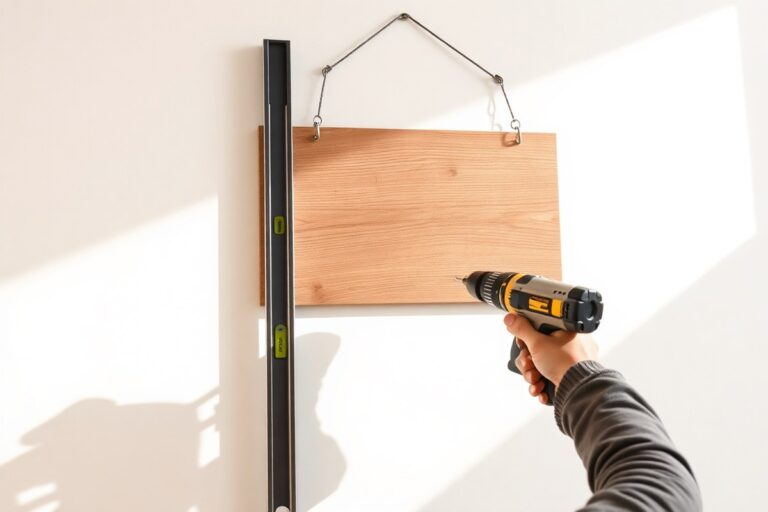
To install, mount the sign on a back panel or suspend it with chains from the ceiling inside the window. Avoid cluttered displays behind your sign since busy backdrops reduce legibility. Sketch the window area ahead of time to fit the custom neon size perfectly. Neon letters should be at least 4 to 6 inches tall for street visibility.
Temporary Paper and Printed Signs
Paper or printed poster signs reflect ambient light rather than emit their own, so they require good natural or street lighting to be seen clearly. These signs suit short-term promotions, specials, or notices and cost as little as a few dollars each to print.
Protect paper signs with lamination or place them inside plastic sleeves to extend life and prevent damage from rain or condensation. Make sure they don’t block important sightlines or entrances. Plan to replace paper signs within weeks or months since fading and tearing happen quickly under sun and weather.
Digital and Electronic Display Options
Digital signs use LED or LCD screens to show changing messages and graphics. They attract attention with brightness and movement but require power outlets and secure mounting. Costs run from a few hundred to several thousand dollars, depending on size and technology.
These signs work for businesses needing frequent updates or multiple messages in one display. The tradeoff is higher installation complexity and power use. Ensure the screen is readable in daylight and avoid placing it where sunlight causes glare or fading over time. The table below compares common window sign types on key factors affecting their fit for different uses.
| Sign Type | Material | Durability | Visibility | Cost Range | Best Use |
|---|---|---|---|---|---|
| Vinyl Decals | Flexible plastic with adhesive | 1, 5 years outdoors | Reflects ambient light, good day visibility | $20, $100 per custom decal | Store hours, logos, branding |
| Neon (Traditional) | Glass tubes filled with gas | 5, 10 years, fragile | Emits light, strong night visibility | $200, $1000+ | Business names, attracting attention |
| LED Neon | Silicone tubes on acrylic backboard | 5+ years, tough | Emits light, low running cost | $150, $800+ | Indoor windows, long-term glow |
| Paper and Printed Posters | Paper or cardstock | Weeks to months | Reflects ambient light, limited visibility | $1, $20 per print | Temporary promos, notices |
| Digital Screens | LED or LCD panels | 5, 7 years, electronic parts | Backlit, bright, changeable | $300, $5000+ | Changing messages, multiple info |
Matching your window sign to your situation is key. Use vinyl decals for durable, maintenance-free branding. Choose neon or LED neon when glowing visibility from a distance suits your hours or style. Paper signs offer a low-cost way to share short-term info but expect quick replacement. Digital signs fit businesses that need flexibility and brightness but require a bigger budget and setup. Planning your material by durability, visibility, and cost improves results without surprises.
Best Practices for Sign Placement and Attachment
Placing a sign in your window requires careful preparation, proper attachment, and strategic positioning to ensure it remains secure, visible, and damage-free. Using the right materials and following a step-by-step approach helps prevent issues like peeling, misalignment, or glass damage. Placing vinyl letters or printed signs requires cleaning the glass surface and choosing the best location first.
Cleaning and Preparing the Glass Surface
Preparing the glass properly improves adhesive strength and helps your sign last longer. Clean the window with a glass cleaner or a mixture of water and mild soap. Avoid abrasive cleaners that can scratch the surface.
Use a lint-free cloth or paper towel to thoroughly wipe the area where you plan to attach the sign. Removing dirt, dust, grease, or moisture is critical because these reduce the adhesive’s grip and can cause the sign to peel off prematurely.
Using Transfer Tape and Adhesives Correctly
Many window signs use vinyl letters or decals that come with a transfer tape backing for easy, precise installation. Choose an adhesive suitable for glass surfaces. Self-adhesive vinyl is common, as it sticks well to smooth glass without damaging it when removed correctly.
A few key steps improve adhesion: align the sign first, then press firmly from the center outward to avoid air bubbles. Use a plastic squeegee or a credit card for even pressure. Tape can hold the sign temporarily as you adjust its placement. Avoid using nails, screws, or strong glues that can damage the window or be difficult to remove.
Positioning the Sign for Maximum Visibility
Place your sign at eye level and where it will face the most foot or vehicle traffic to catch attention effectively. Center the sign in the windowpane while leaving some space around the edges to avoid cutting off information or letters.
Consider using a 3D mockup or measuring the window’s dimensions before applying your sign to ensure the size matches the glass area and visibility is optimized. For example, signs placed two to four feet above ground are commonly most visible on retail storefronts.
Tips for Indoor vs Outdoor Placement
Signs placed inside the window behind the glass benefit from protection against weather, but check glare and lighting to keep the sign readable from outside. Use matte finishes or anti-reflective coatings on the sign material to reduce glare.
Outdoor signs adhered to the glass exterior require waterproof and UV-resistant materials to withstand rain, heat, and sun damage. Outdoor placement also means cleaning around the sign regularly to avoid dirt buildup that can obscure visibility.
- Clean the glass surface thoroughly with a non-abrasive cleaner and lint-free cloth.
- Dry the area completely to ensure no moisture remains.
- Using vinyl decals means peeling off the backing before positioning the sign on the window.
- Temporarily secure it with small pieces of masking tape to check alignment and levelness.
- Use a squeegee or flat edge to press the sign from center outward, removing air bubbles.
- Slowly peel away the transfer tape at a low angle, ensuring letters or designs stay attached.
- Step back to confirm visibility from your target viewing distance and adjust if needed.
What Content and Wording Are Appropriate for Window Signs?
Your window sign’s wording should be clear, polite, and focused on facts rather than accusations. Avoid any language that could be seen as defamatory, threatening, or harassing because those can lead to legal trouble and damage relationships. Instead, use wording that respectfully states your concerns and suggests a way forward. For example, a sign that says, “Please keep noise to a minimum after 9 PM to respect our shared living space. Thank you!” uses positive, constructive language and avoids blaming or insulting anyone.
Signs accusing neighbors of illegal behavior or misdeeds without proof can lead to defamation claims. Even if you feel strongly about an issue, a confrontational sign may worsen tensions. A good rule is to state how an issue affects you rather than blaming someone directly. For instance, “Vehicles parked here block our driveway and cause problems. Please park elsewhere.” is better than “You illegally park in front of our driveway.”
When addressing concerns about safety or property damage, document incidents carefully with dates and photos before referring to them in your sign or a written note. This shows you have a legitimate basis for your message, increasing your credibility and legal standing if the issue escalates. A sign saying, “Objects left on the porch can create hazards. Please clear the area regularly” avoids naming anyone but highlights a real risk.
Using a written note or letter may be more effective and less provocative than a public sign. A polite note like “We’ve noticed some items left on the shared walkway. It can be a safety hazard. Could we work together to keep this clear? Thank you.” opens dialogue without publicly shaming neighbors.
Think carefully before putting up signs about neighborly issues. Consider how the sign impacts community relations and whether a conversation or official channels might work better. If concerns involve threats, harassment, or ongoing nuisances, contact your local authorities or legal advisors instead of relying solely on signage.
Here is a simple, respectful template you can adapt for your window sign: “For the comfort and safety of all residents, please [specific request, e.g., keep noise down after 9 PM]. Thank you for your understanding.” Replace the bracketed section with your specific issue. Avoid language that implies wrongdoing or uses loaded terms like “illegal,” “nuisance,” or “offensive.”
Keep your window sign factual and courteous; aggressive wording risks legal issues and harms neighborly trust.
How to Maintain and Remove Window Signs Without Damage
To keep your window sign in good shape and remove it without damage, clean it regularly and follow proper removal steps. This preserves the sign’s appearance and prevents scratches or sticky residue on the glass.
Removing Old Vinyl Decals
Vinyl decals stick firmly to windows but can be removed safely by softening the adhesive first. This approach helps avoid tearing the sign or damaging the glass surface. Removing them slowly reduces the chances of leaving pieces behind or causing scratches.
Use warm, soapy water or a hair dryer to warm the vinyl and loosen the adhesive before peeling it off. Take your time to prevent the decal from stretching or ripping.
- Heat the vinyl decal gently with a hair dryer on low setting for about 30 seconds to 1 minute, moving the dryer side to side about 6-8 inches away.
- Peel back one corner slowly using your fingernail or a plastic scraper, lifting at a 45-degree angle.
- Continue peeling the decal evenly and slowly, reheating with the hair dryer if the vinyl resists or tears.
- Once removed, wipe the glass with a damp cloth to clear dirt and loosen residues.
- If pieces remain stuck, apply warm, soapy water or a little rubbing alcohol on a cloth to the area and let it sit for 5 minutes.
- Use a plastic scraper or fingernail to gently lift remaining bits without scratching.
- Dry the glass completely with a clean microfiber cloth to avoid streaks.
Cleaning Residual Adhesive Safely
Sticky residue can remain after removing signs, which looks unsightly and attracts dirt. Proper cleaning removes residue without harming the glass or surrounding frames.
Specialized adhesive removers like Rapid Remover are made to dissolve glue without damage. Avoid abrasive scrubbing or harsh chemicals that might scratch the glass or strip paint near the window frame.
- Apply a small amount of adhesive remover on a clean cloth.
- Rub the residue gently in circular motions to soften the glue.
- Let the remover sit for 5 to 10 minutes to break down stubborn adhesive.
- Wipe the area clean with a damp cloth.
- Repeat if needed for heavy residue, then dry thoroughly.
- Avoid using metal scrapers or steel wool to prevent scratches.
Caring for Neon and LED Signs
Neon and LED signs add charm and visibility but require care to keep them bright and safe. Both types benefit from regular cleaning to remove dust or grime that reduces glow.
Use soft, damp cloths to wipe the tubes or frames. Avoid water pooling near electrical parts. For glass neon, gentle cleaning on dry or mildly damp surfaces preserves the fragile tubes and avoids damage from impact or harsh cleaners. LED neon signs are more durable but should still be handled with care to prevent loosening wires or damage to the plastic casing.
Regular Inspection and Repair Tips
Inspect signs periodically for fading, chipping, or damage to attachments. Small problems grow worse if ignored, potentially causing permanent damage to your window or sign.
Check vinyl decals for edges lifting and gently press them down or replace the sign if peeling spreads. For neon and LED signs, look for flickering lights or loose connections and call a professional electrician for repairs to avoid electrical hazards. Maintaining your sign will keep it looking professional and extend how long it can advertise your message effectively.
How to Handle Disputes or Complaints About Your Window Sign
When a neighbor objects to your window sign, start by listening carefully to their concerns to understand exactly what bothers them. Respond calmly and explain your intentions, focusing on finding a compromise rather than defending your position. For example, you might say, “I understand that my sign feels out of place. Would it help if I reduce its brightness or limit the display hours?” This approach shows respect for their point of view and opens the door to cooperative solutions.
Respectful communication helps avoid conflict and keeps relationships intact. Use clear, polite language and avoid blaming or threatening. You can try this script: “Hi, I noticed you mentioned concerns about my window sign. I want to make sure it’s not disturbing you. What changes would you suggest?” This invites dialogue and positions you as willing to cooperate. Adjust the tone to fit your relationship, from friendly to formal.
When informal talks don’t resolve the issue, check your local rules on signage. Some places limit how long a sign can be shown or how bright it can be, especially after business hours. Knowing these rules helps you argue your case or find legal grounds to change your sign’s design. Cities often have community resources like conflict resolution programs or neighbor liaison services. Contacting them can offer neutral help to mediate and find a fair outcome without escalating tensions or legal costs.
When disputes escalate or legal interpretation is unclear, consulting a licensed attorney experienced in property or municipal law might be necessary. This step can cost a few hundred to over a thousand dollars, depending on the complexity, but it protects your interests. Legal options include requesting a formal hearing with your local zoning or planning board. This process usually requires submitting an application and attending a meeting where neighbors can state objections. Decision-makers weigh the evidence to uphold or deny your sign permit.
Understand that unresolved disputes can impact your neighborhood’s goodwill. A well-maintained, timely removed, and appropriately dimmed sign tends to reduce complaints. For example, lowering sign brightness to 50% after business hours can prevent disturbing neighbors living above your shop. Maintaining your sign’s condition also matters, faded or damaged signs might be seen as nuisances and cause complaints even if your original design was acceptable.
When deciding how to manage a conflict, weigh these factors: the severity of the complaint, your willingness to change, and local rules. A practical decision rule is to adjust your sign if minor changes can end objections quickly. When your sign fully complies but still encounters pushback, seek community mediation before escalating to legal action. Taking these steps demonstrates good faith and often leads to better long-term relationships with neighbors.
Safe Alternatives to Traditional Window Signs
Besides traditional window signs, using digital displays, banners, or community boards offers flexible ways to share your message without permanent installation. Digital signs, such as LED displays or tablet screens, allow you to change content quickly, which suits promotions or announcements that vary frequently. These options reduce physical damage risks to windows and help comply with local sign limits since many municipalities regulate electronic signage differently than static signs.
Banners provide a large, visible option that you can attach temporarily outside or near your window. Because banners are often removable without residue, they give you the freedom to update messages seasonally or for short events. Community boards, usually found in shared spaces like lobbies or common areas, let multiple people post notices without cluttering individual windows, improving communication and reducing disputes with neighbors or landlords.
Choosing the right alternative depends on your needs, budget, and local rules. Digital displays start around $150 for basic models but may require electricity and secure mounting. Banners cost between $20 and $100 based on size and material and can be installed with hooks or adhesive strips that won’t damage surfaces. Community boards might involve a small fee or deposit if managed by an association or venue, but they eliminate your responsibility for window upkeep.
- Digital displays offer dynamic messaging with quick content changes, best for frequent updates.
- Banners serve well for short-term promotions or announcements without permanent fixtures.
- Community boards provide shared posting spaces to avoid window clutter and landlord issues.
- Consider local sign ordinances before investing in electronic or large-format options.
- Use removable mounting methods like command strips or suction cups to protect windows.
- Test visibility from intended viewing distances before finalizing placement.
- Keep power access in mind when choosing electronic displays to ensure continuous operation.
Make sure to check your city or HOA rules on digital sign brightness and size to avoid fines or forced removal.
Temporary or electronic alternatives suit situations where messages change often or where static signs risk causing damage or violations. Always confirm permissions ahead of time, as some areas permit digital signs but restrict banners or have limits on content types. Taking extra time to select the right option can save money and prevent conflicts with neighbors or management while keeping your communication clear and effective.
Step-by-Step Action Plan for Putting a Sign in Your Window
Follow these steps to put a sign in your window legally and effectively while avoiding common issues.
- Before you start: Check local zoning laws and your lease or HOA rules to confirm if window signs are allowed. Your sign is only legal if it meets these standards.
- Day 1: Choose a sign type that suits your window size and message, vinyl decals for permanence, or paper signs for temporary info. The right type should be easy to read from outside.
- Day 2: Plan your sign’s placement where it won’t block emergency exits or violate rules about visibility. A correct position prevents damage and complaints.
- Day 3: Attach the sign using approved methods like suction cups or non-damaging adhesives. Your sign should stick securely without leaving residue or marks.
- Week 1: Review your content to ensure it is appropriate, non-offensive, and complies with all sign regulations. This avoids disputes from neighbors or authorities.
- Week 2: Inspect the sign for any damage or fading and replace or clean it as needed. Well-maintained signs stay effective and look professional.
- Month 1: If you receive complaints, address them quickly by adjusting or removing the sign if necessary. Resolving disputes early prevents further issues.
- As needed: When you want to remove the sign, use gentle cleaning methods to avoid window damage. Proper removal keeps your window intact for future use.
Frequently Asked Questions
Can I Put a Sign in My Window?
Yes, you can put a sign in your window, but local laws and property rules may limit size and placement. Check your city’s signage rules and any lease agreements before installing your sign.
How Do I Attach a Sign to a Window?
Use clear suction cups, removable adhesive strips, or hooks designed for glass to avoid damage. Avoid permanent adhesives that can leave residue or harm the glass when removed.
Where Can I Legally Put Up Signs?
Signs are usually allowed on private property and leased spaces with landlord permission but may be restricted in public areas or historic districts. Always review local ordinances and obtain necessary permits.
Do You Need Permission to Put Up a Sign?
Permission is often required from property owners or local authorities, especially for commercial or outdoor signs. Residential window signs are generally more lenient but confirm with city codes or your landlord.
Is It Legal to Put Yard Signs?
Yard signs are legal in many areas but often subject to size, placement, and duration restrictions to ensure safety and aesthetics. Consult your city’s codes before installing one on your property.
Can I Use a Neon Sign in My Business Window?
Yes, neon signs are popular for businesses and can run for around 100,000 hours, drawing power comparable to a laptop charger. Position them 8 to 16 inches from the glass for best visibility and minimal reflection.
Wrapping Up
You can put a sign in your window legally and responsibly by knowing the rules, choosing the right sign, and keeping it well maintained. Your next step is to verify your specific local regulations and property guidelines today before placing your sign. Taking this action ensures your sign stays compliant and effective without risking fines or conflicts.