Sayings for Wood Signs: 8 Best Types and Tips for Perfect Decor
Sayings for wood signs offer a simple way to add personality and warmth to any space. Choosing the right phrase can set the mood, spark joy, or share a laugh. Start by selecting words that reflect the vibe you want, whether inspiring, humorous, or heartfelt, to make your wooden sign truly stand out.
Key Takeaways
- Pick sayings that match the room’s purpose for a cohesive look and feel.
- Inspirational quotes work well in entryways and offices to boost motivation.
- Funny sayings often fit kitchens or family rooms, creating a relaxed atmosphere.
- Seasonal sayings bring festive spirit and can be swapped throughout the year.
- Religious phrases add warmth and tradition, ideal in living rooms or prayer spaces.
- Personalizing sayings with names or dates makes wood signs unique and memorable.
1. Most Popular Sayings for Wood Signs by Theme
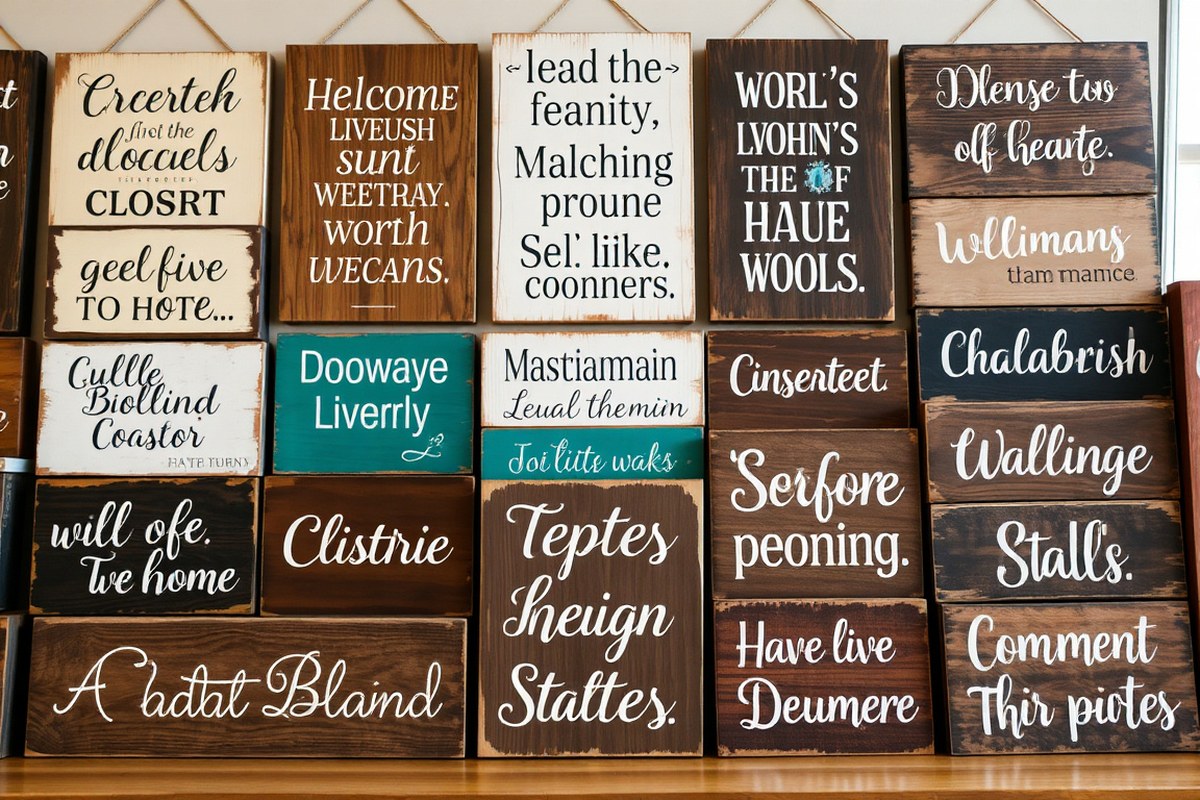
Popular sayings for wood signs often follow themes that reflect the mood and function of the space where the sign will hang. Selecting a theme helps you match the vibe of your decor and ensures the message resonates with you or your visitors. Common themes include inspirational quotes, family values, humor, faith, and seasonal greetings, each bringing a distinct style and intent to a sign.
Wood signs are perfect for displaying inspirational quotes because they add uplighting and motivation to any space. Sayings such as “Dream Big, Work Hard” or “Choose Joy” work well in homes, offices, and common rooms. Spiritual quotes like “And we know that for those who love God all things work together for good, for those who are called according to His purpose” (Romans 8:28) provide comfort and show faith, making them suitable for entryways or family living spaces.
- Inspirational: “Live Laugh Love,” “Believe in Yourself”
- Family and Home: “Together is Our Favorite Place to Be,” “Home Sweet Home”
- Funny and Lighthearted: “This Kitchen is Seasoned with Love and Wine,” “Please Hide the Snacks”
- Faith and Spirituality: Bible verses or phrases like “Faith Can Move Mountains”
- Seasonal and Holiday: “Pumpkin Spice and Everything Nice,” “Merry Everything and Happy Always”
- Personalized Names or Dates: Family names, anniversary years, or house numbers
- Nature and Outdoors: “Life is Better on the Porch,” “Sunshine on My Mind”
Choosing the right theme and saying depends on both the style you want and how you intend the sign to be used. Rustic wood signs naturally suit earthy, warm sayings that highlight family, faith, or nature. For instance, a simple, stained wood plank with a classic serif or hand-painted script font complements inspirational or family-centered quotes best. Bright colors and playful typography work well for humorous signs or children’s rooms.
To create the best results, pick sayings that match your tastes and values, then consider the wood’s texture and finish to highlight the text. The natural wood tones improve rustic or vintage styles, while painted or stained backgrounds can support bold, modern designs. Keep in mind that shorter, punchy phrases often stand out more clearly on wood signs than very long sentences. Quotes with fewer than 6 to 8 words tend to catch the eye and fit well within common sign sizes like 12 by 24 inches.
Incorporating themed sayings into your wood sign collection allows you to customize your home décor with meaningful, eye-catching art. Using a Cricut or stencil set to apply your chosen phrase can keep the project affordable and personal, turning simple wood pieces into cherished décor or gifts.
2. Choosing Sayings for Different Rooms and Spaces

Pick sayings that fit each room’s mood and purpose for wooden signs to feel natural and inviting. In kitchens, choose warm, culinary-focused phrases like “Gather ‘round the table” or playful food puns. Bedrooms benefit from calming words emphasizing rest and peace, such as “Dream big” or “Peace begins here.” Offices work well with motivational or productivity-centered sayings to boost focus. For gardens, nature-inspired quotes encourage relaxation and appreciation of the outdoors. Entryways can feature welcoming greetings or nostalgic phrases that set a cozy tone for visitors.
Matching the saying to the room’s function helps create harmony. When selecting text, consider the vibe you want: lively and fun for social spaces, calm and serene for private rooms. Also, factor in the physical conditions where the sign will hang. Kitchens and gardens often have higher humidity, so seal your wooden signs well to protect them from moisture damage and warping. Use this checklist to choose sayings that suit different spaces:
- Identify the room’s main function (e.g., cooking, relaxing, working)
- Select sayings that reflect that purpose and mood (warm, playful, calming, motivating)
- Pick wood type and finish suitable for the environment (pine for indoors, cedar for outdoors)
- Ensure the sign size fits the wall space without overwhelming or looking too small
- Consider colors and font style that match your room’s décor aesthetic
- Seal the sign properly if it’s going in humid areas like kitchens or outdoors
- Check that your chosen saying has broad appeal if you plan to sell the sign commercially
Signs not sealed correctly in humid areas can warp or lose their finish quickly, so always use a proper wood sealant for kitchen and garden signs.
For smaller walls, cut your wood into squares sized around 7.25 inches wide using a miter saw or jigsaw to keep lettering clear and readable. Rustic boards with soft, worn edges add nostalgia and warmth to living rooms or entryways. Letters on lighter wood will show best with simple sawtooth hangers that hold signs securely without damaging the wood.
Choosing the right saying tailored to each room’s character improves both the look and feel of your space. Consider changing sayings seasonally or for special occasions to keep your décor fresh and personal. Pay attention to the wood type, size, and sealing process to make your wooden signs last while matching your home’s style perfectly.
3. Comparing Saying Types: Inspirational, Funny, Seasonal, and Religious
Wood signs suit a variety of sayings, each type shaping the mood of your space in unique ways. Inspirational sayings encourage reflection and motivation, often featuring quotes that resonate deeply. Funny sayings lighten the mood but need careful wording to keep humor inclusive and inoffensive. Seasonal sayings celebrate holidays or changes in weather, keeping decor feeling fresh and relevant. Religious sayings add a sense of tradition and comfort, especially when crafted on rustic wood that echoes history.
Choosing the right type depends on where you plan to display the sign and the atmosphere you want to create. Inspirational signs work well in entryways or offices, setting a positive tone. Funny signs are popular in kitchens or casual living areas, but steer clear of sarcasm that might alienate guests. Religious signs fit spaces meant for reflection, such as prayer rooms or quiet corners, and often bring a warm, inviting character when made from salvaged barn wood.
| Type of Saying | Typical Phrases | Ideal Use Context | Strength | Potential Downsides |
|---|---|---|---|---|
| Inspirational | “Don’t look at your feet to see if you are doing it right.” “Sometimes we’re tested not to show our weaknesses, but to discover our strengths.” |
Entryways, offices, bedrooms | Motivates and encourages reflection | Can be seen as generic if overused |
| Funny | Spring is the season when nature invites celebration outside, as summed up by Robin Williams’ remark, “Spring is nature’s way of saying, ‘Let’s party!'” | Kitchens, casual living rooms, garden sheds | Lightens mood, engages guests | Risk of offending if humor misjudged |
| Seasonal | References to holidays and seasons (e.g., spring quotes) | Porches, entryways, seasonal decor spots | Keeps decor fresh and timely | Can feel outdated after the season ends |
| Religious | “The name of the LORD is a fortified tower…”, Proverbs 18:10 “God is our refuge and strength…”, Psalm 46:1 |
Prayer rooms, special corners, living rooms with traditional decor | Invokes warmth and historical depth | May not suit all guests’ beliefs |
Deciding on religious or seasonal sayings depends heavily on your personal beliefs and how often you want to update your décor. Religious sayings often work best when the wood’s rustic quality adds to a feeling of warmth and permanence. Seasonal signs offer a chance to tweak your environment without a large commitment, but expect to swap them out a few times per year to keep the look timely.
For funny sayings, choose phrases that are simple, lighthearted, and avoid divisive topics. Quotes from public figures like Robin Williams are good because they tend to be broadly relatable and uplifting. When applying these sayings, make sure the wood’s texture doesn’t blur your text, clear paint or vinyl lettering works well. This careful selection and execution ensures your sign fits the space and invites the right kind of attention.
4. How to Personalize Sayings for Unique Wooden Signs
Personalizing sayings on wooden signs makes your decor more meaningful and authentic. You can tweak popular quotes or create original sayings that reflect your values, style, or family stories. This simple customization turns common words into unique expressions that resonate personally and visually.
Selecting Core Message and Tone
Start by deciding the main feeling or idea your sign should convey. Whether you want warmth, humor, motivation, or calm, choosing the right tone helps the saying connect emotionally with anyone who reads it. Short, simple phrases often have the most impact because they’re easy to remember and fit well on wood signs.
Focus on a phrase that aligns with your space and personal style. For example, a living room sign might say, “Home is where laughter lives,” for a warm vibe, or kitchen signs could encourage fun, such as “Coffee first, then adulting.” Sometimes slight tweaks to popular sayings add a fresh touch without losing familiarity.
Incorporating Family Names or Dates
Adding family names, important dates, or personal milestones makes wooden signs more special. This method works great for entryways or family rooms, anchoring the sign to your own story. Names and dates remind everyone of what makes your home unique.
For example: “The Johnson Family, Est. 2015” or “Gather Here: Est. 2020.” These touches often invite conversation and create a warm atmosphere. Consider using initials, nicknames, or shortened versions of dates to keep the design clean and readable.
Using Metaphor or Symbolism in Sayings
Metaphors and symbolic language can give your wooden sign deeper meaning and invite reflection. Using nature imagery, emotions, or everyday objects in sayings makes them poetic and memorable. For instance, “Our love grows like wildflowers” suggests growth and beauty without being literal.
You can also use symbols like trees, birds, or stars alongside your sayings for extra personality. These help tell your story visually, complementing the words. Experiment with blending your values into metaphorical phrases to create a truly original piece.
- Identify the purpose: Decide what message you want your sign to convey, whether it’s welcoming guests, celebrating family, or inspiring daily.
- Choose a tone: Pick warmth, humor, inspiration, or calm based on where the sign will hang and your personal taste.
- Pick key words or phrases: Select words that resonate deeply with you and are simple enough for a sign to be read easily, such as “love,” “home,” or “joy.”
- Incorporate personal details: Add family names, nicknames, or important dates to anchor the message in your personal story.
- Tweak existing sayings: Modify popular quotes by changing words or adding your spin, like “Live simply, dream boldly” instead of a generic “Live, laugh, love.”
- Add symbolism: Use metaphorical language or imagery that reflects core values and adds layers of meaning.
- Test short drafts: Write several variations and imagine how they will look on your chosen wood size; shorter is usually better.
- Refine and finalize: Choose the version that feels authentic and fits your decor style before proceeding to design or paint.
5. Design Tips to Make Sayings Stand Out on Wood Signs
Font choice greatly affects the readability and visual appeal of sayings on wood signs. Choosing fonts that are clean and simple, such as sans-serif or relaxed script styles, keeps the message clear, especially from a distance. Avoid overly intricate scripts or condensed fonts that can blur or become hard to read on textured wood surfaces. Size the text large enough so viewers can read it easily; typically, letters should be at least 1 inch tall for small signs and larger for bigger displays.
Contrast between the text color and the wood background determines how well the saying stands out. Picking a color that sharply contrasts with the wood helps maintain legibility. For example, white or cream lettering looks good on dark stained wood, while black, navy, or deep greens suit lighter woods. Using matte or satin paint finishes retains the wood’s natural texture without adding disturbing glare, which can reduce readability.
Layout plays a key role in making your sign’s message easy to digest. Centered text is common and works well for symmetrical designs, but left or right alignment can create a modern feel. Leave enough space around letters and lines (line spacing of about 1.2 to 1.5 times the font size) so the words don’t crowd each other or the sign’s edges. This also makes the message inviting and helps avoid visual clutter.
- Choose legible fonts like Arial, Helvetica, or relaxed scripts.
- Make letters at least 1 inch tall for small signs, larger for bigger signs.
- Use high contrast colors, white on dark wood, black on light wood.
- Select matte or satin paint to preserve wood texture and avoid glare.
- Space lines about 1.2 to 1.5 times the font size apart for clarity.
- Test your design on paper or digitally to check readability before painting.
- Consider the wood’s natural grain, avoid placing text where knots or heavy patterns occur.
Taking time to plan your design digitally can save mistakes on the actual wood. Use a computer program or smartphone app to preview fonts and colors, matching them with a photo of your wood’s color and texture. This preview helps you avoid problems like low contrast or uneven readability due to knot holes or grain lines. For smooth wood, contact paper stencils work well to create sharp, clean edges on less intricate sayings. Rougher wood requires more care and choosing bolder fonts can compensate for natural surface inconsistencies.
Always test your paint or stain on a scrap piece of the same wood to confirm how colors appear before final application.
6. DIY Techniques to Apply Sayings on Wooden Signs
Several effective DIY techniques exist to transfer sayings onto wooden signs, including using stencils with paint, applying vinyl decals, hand painting, and engraving or wood burning. Each method requires different tools, materials, and time commitments, offering varying levels of precision and character. Understanding these approaches will help you choose the right technique for your project and skill level.
Using Stencils and Paint
Stenciling is a popular method that offers a clean, professional look with manageable effort and cost. It requires purchasing or creating stencils of your sayings and applying paint carefully onto the wood surface. The technique ensures consistent lettering, making it a good option if you want clear, repeatable designs. Here’s how to stencil a wooden sign:
- Prepare the wood by sanding it smooth and applying a base coat of paint or stain if desired.
- Position the stencil securely on the sign using painter’s tape to prevent slipping.
- Use a stencil brush or sponge to dab paint gently within the stencil openings, avoiding over-painting that could cause bleeding.
- Carefully remove the stencil while the paint is still slightly wet to avoid peeling paint.
- Allow the paint to dry, typically 1-2 hours depending on paint type and humidity.
- Apply a clear sealant spray or brush-on finish to protect the sign, especially if it will be displayed outdoors.
Costs include stencil sheets ($5-$20), acrylic or latex paint ($3-$8 per bottle), and optionally sealant ($5-$15). The process usually takes 2-4 hours including drying time. Stenciling works well on both smooth and rough wood but requires patience for neat edges. Common issues include paint bleeding under the stencil or incomplete coverage, which can be minimized by using light amounts of paint and secure taping.
Applying Vinyl Decals
Vinyl decals provide a fast and clean way to add sayings to signs, often preferred for precision or when artistic skill is limited. Creating vinyl letters usually involves a cutting machine like a Cricut or Silhouette, or buying premade decals. This technique requires minimal painting and delivers sharp edges. Steps to apply vinyl decals on wood:
- Clean and dry the wood surface to ensure strong adhesive contact.
- Cut your saying from adhesive vinyl using a cutting machine or purchase ready-made letters.
- Weed excess vinyl away, leaving only the letters or design.
- Apply transfer tape over the vinyl design and press it down firmly.
- Peel the backing from the vinyl, then position and press the decal onto the wood.
- Slowly remove the transfer tape, pressing down any edges to secure vinyl letters.
- Optionally, seal the vinyl with a clear matte or gloss finish if the sign will be outside.
This method can be completed in 1-2 hours or less, depending on preparation. Materials cost varies: vinyl sheets around $10-$20 per pack and cutting machines $150-$300 if you don’t already own one. Vinyl decals are highly durable and weather-resistant but don’t create texture or the handcrafted look you get from painting. Improper application or dust can cause bubbles or peeling.
Hand Painting and Freehand Lettering
Freehand painting allows you to customize sayings with your own style and adds a personal, artistic touch. This method needs more time and skill, as well as suitable brushes and paints. Your signs will have more character because imperfections become part of the charm. Acrylic paint is common for DIY wood signs because it’s water-based, dries fast, and adheres well to wood. To hand paint your sign:
- Sand the wood surface to smoothness and apply a base color if preferred.
- Sketch your saying lightly on the wood with a pencil to guide the painting.
- Choose fine-tipped brushes for letters and use acrylic paint, thinning it slightly if needed.
- Paint slowly, building up layers for opacity and clean edges.
- Let each layer dry for 30-60 minutes before applying the next to avoid smudging.
- Add decorative elements or outlines after the main text is complete.
- Seal the finished sign with a protective clear coat to preserve colors and prevent fading.
Expect to spend 3-6 hours depending on complexity. Paints cost around $3-$8 per bottle, and brushes range from $5-$15. Mistakes can be fixed with small amounts of sanding and repainting, so don’t worry if your first try isn’t perfect. The results showcase your creative expression but require patience and steady hands.
Engraving or Wood Burning
Engraving and wood burning create permanent, textured sayings by removing or darkening the wood surface. This method provides a rustic look and lasts a long time outdoors and indoors without fading. Wood burning tools or rotary engraving machines are necessary. Follow these steps for wood burning:
- Select smooth unfinished wood and sand it thoroughly.
- Print or draw your saying on paper and tape it onto the wood as a guide.
- Use a ballpoint pen to trace the letters firmly, transferring the outline onto the wood.
- Heat a wood burning tool and trace the letters slowly, applying even pressure to create consistent burn marks.
- Allow the wood to cool after burning, then lightly sand to remove any soot or rough edges.
- Finish with a clear wood sealant for protection and shine.
Wood burning tools typically cost $20-$60, while engravers are pricier, $100-$350. This technique takes 4-8 hours depending on detail and size. It’s important to work in a well-ventilated area because of fumes. Errors are harder to correct, so practice on scrap wood first. Properly done, engraving provides a classic, elegant sign with permanent impact.
7. Common Mistakes and How to Fix Them When Choosing Sayings
Choosing sayings that are too long often leads to crowded signs where words become hard to read. This matters because your message should be clear from a quick glance. To avoid this, select short sayings or break longer phrases into multiple lines with ample spacing. Keep each line under 20 characters if possible, depending on your sign size.
Poor font choices also ruin the final result. Fancy scripts or overly narrow fonts might look nice but reduce legibility, especially on rough or stained wood. Choose bold, simple fonts like sans-serif or slab serif styles to improve readability. Test your chosen font by printing it on paper and holding it at arm’s length. Try a different style when the text is hard to read.
Another mistake is using a tone or saying that doesn’t fit the space or audience. A funny or casual phrase works well in a family room, but the same might seem out of place in a formal dining area. Consider who will see the sign and where it will hang before finalizing your choice. Ask yourself if the saying reflects the mood or theme of the room.
Sign prep and application errors can spoil good sayings. Wood should be sanded smoothly and cleaned of dust. Applying stencils or vinyl decals on rough or untreated wood often results in paint bleeding or uneven edges. Use fine-grit sandpaper (around 220 grit) and wipe the surface with a tack cloth. After painting or staining, allow at least 24 hours for drying before applying your saying. Using paint, apply multiple thin coats to prevent drips.
- Keep sayings clear and concise to fit the wood size.
- Choose fonts prioritizing readability over decoration.
- Select sayings appropriate to the room’s tone and audience.
- Sand and clean wood thoroughly before applying the design.
- Allow paint or stain to dry completely between steps.
- Use painter’s tape or stencils carefully to avoid bleed.
- Test designs at actual size before committing to the project.
Avoid unclear sayings by reviewing the phrase for spelling, grammar, and cultural relevance. Sometimes a phrase can seem confusing or offensive without context. Double-check its meaning with others and ensure it suits your intended audience. The cost of fixing mistakes after the paint dries is high, sanding down and repainting may add hours of work and materials, so thorough planning saves time and money.
8. When to Choose Seasonal or Outdoor Sayings for Wood Signs
Choosing sayings for seasonal wood signs can add festive charm to your home decor, while weatherproof sayings make your outdoor signs last through changing conditions. Seasonal sayings often reflect moods and activities tied to fall, spring, summer, or holidays. Outdoor signs need special care to protect the words and wood from rain, sun, and temperature swings.
Popular Fall and Holiday Sayings
Fall is a top season for wood signs because you can match the warm, cozy vibe with classic sayings. You might see phrases like “I Love Fall Most Of All” or “Fall is… sweater weather, crunchy leaves & pumpkin spice everything.” These statements connect with what people enjoy during that season and create a welcoming atmosphere.
For holidays like Christmas or Halloween, sayings that evoke tradition or fun are popular. You can use light-hearted lines or quotes that inspire holiday spirit. Seasonal sayings also appeal during Thanksgiving with messages about gratitude and family. These choices let you update your decor without full redecorating.
Spring and Summer Themes
Sayings for spring often celebrate new beginnings and growth, like “Though the forecast says otherwise, live each day like it’s spring,” or fun messages such as “I wish spring would stop being so elusive.” These phrases bring a hopeful mood and invite you to appreciate the season, adding warmth to your decor after winter. In summer, the focus shifts to warmth, outdoor fun, and relaxation. Sayings here might mention sunshine, beaches, or backyard barbecues. You want bright, cheerful messages that match activities like gardening or outdoor gatherings. These sayings help bring summer energy into your decor.
Weatherproofing Tips for Outdoor Signs
Signs kept outside face sun, rain, wind, and temperature changes, so protecting the wood and sayings is essential for durability. Weatherproofing delays fading, warping, and peeling, keeping your sign attractive longer. Here’s a checklist for creating weatherproof wood signs:
- Choose durable wood types like cedar, redwood, or treated pine, which resist moisture and rot better.
- Seal the wood with outdoor-grade polyurethane or spar varnish. Apply at least two coats, allowing 24 hours drying time between coats.
- Use waterproof paint or outdoor-rated ink for the lettering to withstand moisture and UV rays.
- Consider adding a clear UV-protective spray after painting to reduce sun damage.
- Install the sign in a sheltered spot if possible, such as under an awning or porch.
- Regularly inspect and touch up the seal and paint every 1 to 2 years, depending on exposure.
Applying too few coats of sealant or skipping UV protection can cause early fading and wood damage in outdoor signs.
Protecting the wood properly may take a few days because of drying times, but costs for sealants range from $10 to $30 per quart, making weatherproofing a cost-effective step for longer-lasting signs. By following these steps, your wood sign can maintain its seasonal charm outside for several years.
Step-by-Step Action Plan for Crafting Your Perfect Wood Sign Saying
Follow these steps to create or choose a saying that fits your style, space, and purpose with ease.
- Before You Start: Decide on the room or outdoor space where the sign will go to narrow down your theme and saying style.
- Day 1: Make a list of themes and saying types you prefer (inspirational, funny, seasonal, religious) based on your space and audience.
- Day 2: Sketch or pick a wood sign size and shape that suits your location and the saying’s length.
- Day 3: Personalize your chosen saying with names, dates, or unique phrases to add meaning; check that it still reads clearly.
- Day 4: Select fonts and design elements that highlight the words without overpowering your wood’s texture and natural color.
- Day 5: Choose your application method, paint, stencils, vinyl, or wood-burning, and test it on a scrap piece to ensure clarity and durability.
- Day 6: Apply the final design carefully; let it dry or cure fully, then inspect for any mistakes or touch-ups needed.
- After 1 Week: Place your sign in its intended spot to see how the saying complements the space and adjust lighting or placement if needed.
Frequently Asked Questions
Can Sayings for Wood Signs Be Suitable for Gifts?
Yes, sayings on wood signs make thoughtful, personalized gifts that suit many occasions, from housewarmings to birthdays. Choose messages that reflect the recipient’s personality or interests to add a meaningful touch.
Do Certain Woods Work Better for Indoor Versus Outdoor Wood Signs?
Hardwoods like cedar and redwood resist weather well and are better for outdoor signs, while softer woods work fine indoors. Consider where you’ll place your sign to pick wood that lasts with its environment.
Can I Use Stencils for Applying Sayings on Wood Signs?
Yes, stencils are a common and effective way to apply sayings cleanly to wood, especially for beginners. They help keep lettering consistent and can be combined with paint or stain for the look you want.
What Is the Best Way to Protect My Finished Wood Sign?
Applying a clear sealant or varnish once the paint or stain dries protects your wood sign from wear and extends its life. Select a sealant suitable for the intended location, such as outdoor-rated for porch signs.
Are There Recommended Font Styles for Wood Signs?
Fonts like script, serif, and bold sans serif often work well on wood, offering clear readability and style. Pick a font that complements your home decor style and the tone of the saying.
How Can I Align Text Properly on a Wooden Sign?
Measure and mark spacing lightly with pencil before painting to keep text straight and balanced. Some crafters use level tools or grids to avoid uneven lettering.
Final Thoughts
Your perfect wooden sign starts with a clear purpose and a saying that feels right for your space. Personalizing your message makes it uniquely yours, whether for decoration or gifting. Pick one saying today that matches your style, then follow through with a design and application that makes it stand out. Your next step could be testing lettering techniques on scrap wood to find what suits you best.