
Modern House Number Ideas: Complete Guide to Stylish, Visible Displays
Modern house number ideas focus on combining style and visibility for a clear, attractive display. Choose numbers that are at least 5 to 6 inches tall with strong color contrast against your home’s exterior. Durable materials and strategic placement ensure your house numbers can be seen from 50 to 100 feet away, making your home easy to find and visually appealing.
Key Takeaways
- Select house numbers that complement your home’s architectural style to create a cohesive look.
- Use materials like metal or wood suited to your climate for long-lasting durability and style.
- Place house numbers at eye level near the front door or garage for optimal visibility.
- Opt for finishes with high contrast against your wall color to improve readability from the street.
- Consider vertical or floating layouts to add a modern, creative touch to your house numbers.
- Install lighting above or below your numbers to improve visibility at night without glare.
Best Modern House Number Ideas for Style and Visibility

Choosing modern house numbers that balance style and readability improve your home’s curb appeal while ensuring visitors and deliveries find you easily. The best modern house number ideas focus on clean lines, clear fonts, and materials that complement your home’s exterior without sacrificing visibility from 50 to 100 feet. A sleek, sans-serif font in a medium to large size works well for readability and looks contemporary on most styles of homes, from minimalistic to mid-century modern.
Simple geometric shapes like rectangles or circles with bold numbers stand out while maintaining a modern vibe. A popular choice is matte black or brushed metal finishes in stainless steel or aluminum, which resist weather and provide strong contrast against light or darker backgrounds. For example, if your home facade is white, black or dark gray numbers will be easy to read; if your siding is darker, choose white or brushed silver. Light-colored wood with white painted numbers can create a bold but natural look that pairs nicely with modern farmhouse or Scandinavian designs.
Fonts with consistent stroke widths and no decorative elements increase legibility. Avoid overly ornate or script fonts because they can be hard to read from a distance. Modern minimalist styles often use numbers set flush against the wall, while industrial designs may feature engraved or raised steel numbers attached to metal panels for a rugged feel. Mid-century modern houses benefit from iconic numeral shapes and spacing that echo vintage design but keep a contemporary edge.
Placement affects style and visibility; horizontal layouts with evenly spaced numbers look clean and balanced, while vertical arrangements can suit narrow spaces like mailbox posts or porch columns. Use measurements like 4 to 6 inches tall for numbers if you want to be readable up to 100 feet, adjusting smaller for shorter viewing distances. Contrast between the numbers and background is important; for example, a matte black number on a light-colored wall is easier to see than glossy dark numbers on a dark surface.
To improve both aesthetics and readability, integrate your house numbers with exterior architectural features. Floating numbers mounted with spacers create subtle shadows that improve depth and visibility. Incorporating lighting, such as subtle LED backlighting, highlights the numbers at night while contributing to a modern look. Avoid flashy or overly complicated designs that can detract from the clean appearance modern homeowners aspire to.
Choosing the right modern house number style depends on your home’s architectural character and color scheme. For instance, contemporary townhouse owners may prefer sleek, brushed metal numbers mounted horizontally, while mid-century home enthusiasts might select larger, rounded numbers with retro fonts. Those embracing industrial aesthetics can go for raw metal finishes and bold, blocky fonts. The cost for a quality set of modern numbers typically ranges from $30 to $150 depending on size, material, and finish, with installation adding a little extra if you hire a professional.
Good results show numbers that catch the eye easily without overwhelming the exterior design. Poor choices often feature colors that blend too much with the background or fonts that are too intricate, making numbers difficult to decipher. The right balance creates a welcoming first impression and functional signage that fits your modern home style perfectly.
Choosing Materials: Metal, Wood, and More for Modern Numbers
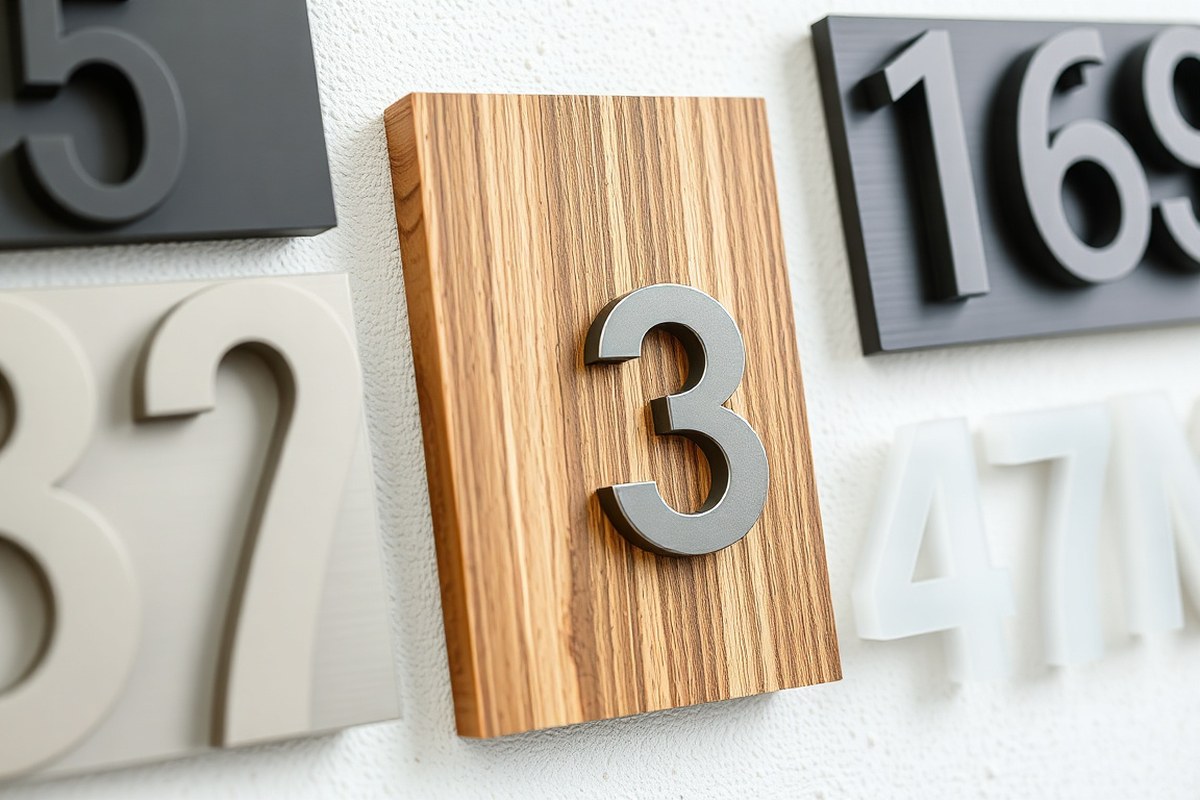
Choosing the right material for modern house numbers impacts how they look, how long they last, and how much effort you’ll spend maintaining them. Metal, wood, ceramic, acrylic, stone, and even living moss offer different balances of durability and style, so matching the material to your home’s exterior and local weather is key.
Metal house numbers, such as steel or brass, suit modern and traditional styles and stand out for their durability. Steel, especially stainless steel like 316L, resists rust and corrosion better, making it ideal in rainy or coastal climates. Brass ages with an attractive patina but may require occasional polishing to keep its look. Metal numbers can be mounted with standoff bolts to create a three-dimensional, shadow effect that adds modern depth without extra maintenance complexity.
Wood numbers bring warmth and a rustic feel. They work well for farmhouse or cottage designs. However, wood needs an annual sealant application to protect it from sun and moisture damage. Pairing wood with metal, like a black metal frame around wood shims, combines modern durability with a traditional look and reduces some maintenance.
| Material | Best For | Durability | Maintenance |
|---|---|---|---|
| Wood | Farmhouse, Cottage | Medium | Seal annually |
| Metal (Steel/Brass) | Modern, Traditional | Very High | Occasional polish |
| Ceramic/Tile | Mediterranean, Boho | High | Easy to clean |
| Acrylic/Mirror | Contemporary | Medium-High | Soft cloth clean |
| Stone/Brick | Classic, Permanent | Excellent | Minimal |
| Living Moss | Eco, Biophilic | Medium | Keep sheltered |
Ceramic and tile house numbers work well if you want high durability with minimal upkeep. Their easy-to-clean surfaces stand up well in outdoor conditions, especially in warmer climates with Mediterranean-style homes. Acrylic numbers fit contemporary houses and require only a gentle wipe to remove dirt but have lower impact resistance compared to metal or stone.
Stone or brick engravings are permanent and nearly maintenance-free, but they don’t offer the light, modern feel metal and acrylic provide. Living moss numbers provide an eco-friendly, unique look but need protection from harsh weather and regular care to avoid drying out.
For wood house numbers, apply a weatherproof sealant every year to prevent cracking and fading, especially if exposed to direct sunlight and rain.
Ideal Placement and Sizing for Maximum Visibility
House numbers should be large enough to be seen clearly from the street. Digits that are at least 5 to 6 inches tall provide good readability for most residential settings. When your home is set back more than 40 feet from the street, consider using 7- or 8-inch numbers to make them easier to see from that distance. The numbers must also have high contrast against the background to stand out well, such as white or light-colored numbers on a dark wall, or black or dark numbers on a light façade.
Placement matters as much as size. Ideally, house numbers should be mounted near the front door, porch, or garage, where they face the street directly. This positioning helps first-time visitors and emergency responders locate your home quickly. When landscaping or building design blocks the view of your house from the street, put the numbers on a mailbox or post near the road instead. The numbers should be at eye level, typically between 48 and 60 inches above the ground, so they can be read easily by pedestrians and drivers.
Colors with strong contrast improve visibility in daylight and low-light conditions. Avoid colors that blend into the background or are too close in shade. For painted exteriors, white, black, dark gray, or navy numbers work well on contrasting walls. For brick or stone, metallic finishes like brushed brass or matte black can offer both durability and visibility.
- Digit height: minimum 5, 6 inches for standard setbacks; 7, 8 inches for distances over 40 feet
- Mounting height: 48 to 60 inches from ground for easiest line of sight
- Location: near front entrance or garage, directly facing the street
- Contrast: aim for strong light-to-dark difference between numbers and background
- Material finish: matte or satin reduces glare and improves legibility
- Backup placement: mailbox or post if main house number isn’t visible from street
Properly sized and placed house numbers reduce confusion and help maintain safety. Numbers that are too small or placed too high or too low may be missed by mail carriers or visitors. On the other hand, excessively large numbers can look disproportionate and detract from your home’s style. Balancing size, height, and color contrast achieves the best results within your budget, typically ranging from $20 to $100 depending on materials and installation methods.
Creative Layouts: Vertical, Floating, and Planter Integrations
Space-saving house number displays work well when you want to maximise a small facade area or add personality without clutter. Arranging numbers vertically, using floating mounts, or integrating planters keeps the design compact and visually interesting. Such layouts blend function with style, making your home stand out while using minimal horizontal space.
Vertical House Number Sign Types
Vertical house numbers save space by stacking digits instead of lining them up horizontally. This layout suits narrow walls, posts, or fences where width is limited. You can mount numbers on a slim metal or wooden backer painted to contrast with your exterior, helping the digits pop from a distance.
The most common vertical signs use numbers arranged top to bottom, with consistent spacing of about 3 to 5 inches between digits for readability. Examples include a black powder-coated steel panel holding numbers laser-cut or raised, giving a modern look. Another option involves mounting porcelain or ceramic tiles in a column, combining durable materials with subtle charm.
Creating Floating Number Displays
Floating numbers add depth by suspending digits off a wall or panel, casting shadows that change with sunlight or lighting. This approach creates a sleek and minimalist effect suited for modern homes. Install standoffs or small spacers behind each number to keep them ½ to 1 inch away from the mounting surface.
The materials for floating numbers often include brushed stainless steel, brass, or powder-coated aluminium, which resist weather damage. Arrange the numbers horizontally or vertically, but keep spacing uniform to preserve clean lines. Floating displays can be mounted on wood, stone, or brick facades and often cost between $50 to $200 depending on size and material.
Incorporating Planters and Greenery
Integrating planters with house numbers adds life and softness to your exterior design while saving space. Options include planter boxes fixed below or beside the numbers, or planters that incorporate the house numbers directly on their face. For example, a powder-coated steel planter set measuring roughly 18 by 6 by 6 inches can feature numbers laser-cut through the front panel.
Choose hardy plants or succulents that thrive in your climate and require low maintenance to keep the look fresh year-round. Artificial greenery also works well if you’re worried about upkeep. When installing a planter-number combo, ensure proper drainage holes under the planter to prevent water damage and secure mounts that support the combined weight, typically around 10 to 20 pounds with soil and plants.
- Select materials resistant to rust and fading like powder-coated metals or sealed wood
- Measure your available space carefully to maintain balance and proportion
- Opt for compact plants like succulents or small ferns to avoid overwhelming the display
- Position the planter so it doesn’t obstruct visibility of the house numbers
- Consider solar-powered lights around planters for nighttime visibility
These layouts not only provide practical address identification but also add personality and charm, making your home’s exterior stand out with subtle creativity.
Lighting Options to improve House Number Visibility
Lighting house numbers improve their visibility and adds curb appeal after dark. Using effective lighting options like backlighting, front lighting, or uplighting helps visitors and delivery services find your home easily. Choosing the right type and installing it properly ensures your numbers stand out without wasting energy or damaging surfaces.
Choosing Solar vs Wired Lighting
Solar lighting offers an easy, battery-free solution that powers itself during the day and illuminates at night. It suits locations with plenty of sunlight and minimal wiring access. Wired lighting provides a reliable, brighter illumination and supports more design options but requires professional installation or DIY electrical work following local codes.
A solar light’s average price ranges from $20 to $60 each, while wired LED fixtures typically cost $40 to $100 per unit plus installation costs. Solar lights may dim in winter or cloudy weather, while wired lights offer consistent brightness year-round. Consider the wall material, weather exposure, and power availability when choosing between solar and wired options.
Installing Uplights for Numbers
Uplights emphasize house numbers by directing light upwards, creating shadows that add contrast and depth to the numbers. Mounting uplights requires basic tools and takes less than an hour for a single fixture. Follow these steps for an effective uplight installation:
- Select a weatherproof LED uplight with adjustable beam angle for precise lighting coverage.
- Position the uplight 6 to 12 inches below the house numbers, angled about 30 to 45 degrees upwards.
- Mark the mounting location and drill pilot holes if installing into masonry or wood.
- Attach the fixture securely using screws or anchors suitable for the surface type.
- Run wiring to a power source for wired fixtures or install solar lights per product instructions.
- Test the light at night to ensure it evenly illuminates the numbers without glare.
- Adjust the light angle or brightness if needed, using the fixture’s controls.
Tip: Avoid pointing uplights directly into neighbors’ windows or creating street glare that might annoy passersby.
Benefits of Backlit and Halo-Lit Numbers
Backlit numbers feature LEDs placed behind the numbers, casting a halo glow that highlights the edges and improves readability at night. This effect suits any wall color but stands out best on darker backgrounds for a modern look. The soft glow avoids harsh shadows and adds a subtle elegance to your home facade.
Halo-lit numbers provide strong visual impact from a distance, making your house easy to identify. Many come with built-in LED modules that connect to low-voltage wiring or solar power. Installation involves mounting the numbers on standoffs that create space for the light to shine behind them.
These illuminated numbers typically cost more upfront, in the range of $100 to $300 depending on size and materials, but increase property curb appeal and nighttime functionality. Ensure wiring is weather-rated and output settings are adjustable for ambient brightness without overwhelming the design.
DIY Modern House Number Ideas and Installation Tips
Creating your own modern house numbers can be a rewarding and creative project. You have full control over style, size, and placement, making it a great way to add character to your home’s exterior. With careful planning and the right tools, installing sleek, floating, or recessed numbers is manageable and improve your curb appeal.
Materials and Tools Needed
Start by selecting your number materials. Popular choices include metal, acrylic, wood, or composite materials that resist weathering. For a modern look, metal numbers like stainless steel or brushed aluminum often work best. Gather these tools to keep installation smooth: a drill with bits, a level, tape measure, pencil, screwdrivers, anchors or wall plugs, double-sided mounting tape for floating effects, and safety gear such as gloves and goggles.
Installing Floating and Recessed Numbers
To mount numbers with a floating effect, use spacers or standoffs behind each digit to separate the number from the wall surface. Recessed numbers require cutting into siding or a mounting board to sit flush or below wall level. Follow these steps for a typical floating number installation:
- Measure and mark the desired location on a clean, dry wall surface using a level and pencil for accuracy.
- Align all numbers on a cardboard template to check spacing and layout.
- Drill holes through the mounting surface precisely where the spacers or standoffs will be attached.
- Insert wall anchors appropriate for your surface (masonry, wood, stucco) to ensure a firm hold.
- Attach standoffs or spacers to the wall using screws, leaving a consistent gap (usually 1/2 to 1 inch) between wall and number back.
- Secure the house numbers onto the standoffs or spacers, confirming they sit flush and level.
For recessed installation, after marking and cutting the mounting slot, follow similar anchoring steps, ensuring the numbers fit snugly without gaps.
Avoiding Common Installation Errors
Measure twice, drill once is essential to avoid misaligned numbers. Skewed placement or uneven levels detract from the sleek modern look you want. Use a quality level and check from multiple angles during installation.
Common mistakes also include using inappropriate anchors that fail to support the numbers’ weight or skipping wall preparation. For example, drilling into stucco or brick without proper anchors or drilling into weak wood can cause numbers to loosen and fall over time.
- Fix: Choose anchors rated for your wall type and number weight.
- Fix: Dry-fit each number and spacer to confirm fit before drilling permanently.
- Fix: Clean mounting surfaces to ensure good adhesive or screw contact.
- Fix: Avoid placing numbers in excessively shaded areas or on rough, uneven walls that hinder secure attachment.
Color and Finish Combinations That Work Best
Choosing the right color and finish for your house numbers impacts both how easily they can be read and how well they blend with your home’s modern exterior. High contrast between the numbers and the background is key for visibility. For example, if your exterior is painted a dark color like charcoal or navy, white, cream, or a light gray finish for the numbers will stand out sharply. Conversely, on light-colored siding such as beige, pale gray, or white, opting for dark numbers in black, navy blue, or even deep red ensures they won’t fade into the background. A contrast ratio of at least 4.5:1 between the number color and the wall color supports easy reading from the street. This standard aligns with accessibility guidelines for sign visibility.
Finish plays a dual role in style and durability. Matte or satin finishes reduce glare, making numbers easier to read in direct sunlight, a frequent challenge on modern homes with clean, reflective panels or glass. A high-gloss finish can give a sleek, polished look but risks glare that may reduce readability at certain angles or times of day. For harsh weather conditions, powder-coated metal numbers are excellent for durability, resisting rust and fading for several years with minimal maintenance. These often come with a slightly textured finish that also reduces light reflection. For a more organic touch, wooden numbers painted in a bright, contrasting color work well, especially if sealed with a weather-resistant clear coat to protect against moisture and UV rays.
Black matte metal house numbers set against light natural wood siding create a sharp, modern look that stays clear and attractive over time. For a vintage vibe, enamel metal signs with traditional color combinations like navy blue and white or cherry red with cream provide strong contrast and a smooth, weather-resistant finish. These enamel options usually cost between $30 and $80 based on size and custom features, offering good value for durability and style.
For homeowners looking to balance style and practicality, using a color picker tool can help you test combinations by sampling your home’s exterior colors and trying contrasting shades for the numbers. Pairing that with durable finishes like powder-coated metal or enamel ensures the numbers stay vibrant and legible over time. Avoid colors too similar to your siding as they blur into the background, especially if the numbers are small or placed far from the street. Bright accent colors work better when they provide at least a 20-30% brightness difference compared to the wall tone. The right finish and color combo should offer clear readability day and night when combined with lighting.
Budget-Friendly Ideas Without Sacrificing Style
Affordable modern house numbers can still look clean and stylish without breaking the bank. Budget-friendly options often involve simple materials and DIY installation to keep costs low. Choosing slender metal, plastic, or wood numbers with modern fonts gives a fresh look without expensive finishes or custom fabrications.
Low-cost materials like powder-coated aluminum or acrylic sheets generally cost between $10 and $40 for a set of numbers, depending on size. Plastic numbers made from durable acrylic or PVC can be as low as $5 to $15 for basic styles printed or cut on demand. Wood numbers crafted from reclaimed or inexpensive plywood or MDF add warmth and texture, and you can paint them in modern colors for under $20 total.
- Use peel-and-stick vinyl numbers for a super-budget option, applying directly to smooth surfaces for easy updates.
- Purchase unpainted metal or wood numbers and spray paint them yourself with weather-resistant spray paint designed for outdoor use.
- Opt for lightweight numbers to reduce mounting hardware costs and simplify installation.
- Buy single numbers separately to customize the size and style freely without paying for a full kit.
- Use simple stencils and exterior paint to create your own numbers on wood or concrete.
- Apply a matte or satin finish rather than gloss for a modern look that hides wear better.
Maintaining your modern house numbers doesn’t have to be costly or time-consuming. Wipe numbers annually with a mild detergent mixture and soft cloth to prevent dirt buildup and retain color vibrancy. For metal options, inspect for rust or paint chipping every 1 to 2 years, then sand lightly, apply a rust inhibitor, and repaint as needed. Plastic and acrylic numbers usually only require light cleaning and occasional replacement if they crack or fade.
Using clear outdoor sealant spray on wood numbers can significantly extend their lifespan against sun and moisture damage.
Upkeep of vinyl and painted numbers often just involves spot cleaning and quick touch-ups on worn edges. Avoid abrasive cleaners or harsh chemicals that can degrade surfaces faster. If numbers become dull or damaged, replacing individual digits is an easy, budget-friendly way to refresh the façade without a full redo. Good results usually mean numbers maintain crisp edges, vivid color, and easy legibility after several seasons, faded or peeling finishes are signs maintenance or replacement is due.
Step-by-Step Action Plan for Modern House Numbers
Start improving your home’s curb appeal by selecting, designing, and installing modern house numbers with clear steps to guide you.
- Before You Start: Measure the visible area near your front door and note lighting conditions to determine ideal size and placement. Success means you have clear numbers and a spot visible from the street.
- Day 1: Choose your material, metal for durability and sleekness, wood for warmth, or composite for low maintenance. Confirm the material suits your home’s style and weather exposure.
- Day 2: Pick a color and finish that contrasts well with your home’s exterior to maximize visibility. You’ll know this worked if the numbers stand out clearly in daylight.
- Day 3: Decide on the layout, horizontal, vertical, floating, or integrated into planters. Choose the one that complements your house’s architecture without clutter.
- Day 4: Plan the lighting, either built-in LED, spotlights, or backlit installation, to ensure visibility at night. Test at dusk and adjust positioning for even illumination.
- Day 5: Gather tools and prepare the mounting surface by cleaning and leveling. A clean, flat surface guarantees the numbers adhere securely.
- Day 6: Install the numbers carefully following the instructions; use anchors or adhesive as needed. Confirm stability by gently testing their attachment.
- Week 2: Review the visibility from the street both day and night. Make minor adjustments if any part of the numbers is hard to see.
Frequently Asked Questions
What Styles Pair Best with Modern House Numbers?
Modern house numbers suit minimalist, contemporary, and Scandinavian homes best. They improve sleek architecture and clean lines without overwhelming the design.
How Can Industrial House Numbers Transform My Home’s Look?
Industrial numbers add a rugged, edgy feel that pairs well with modern or contemporary exteriors, creating a distinct, modern touch.
Are There Eco-Friendly Material Options for Modern House Numbers?
Yes, options like reclaimed wood or recycled metals offer sustainable choices that maintain modern style and durability.
Can House Numbers Be Personalized Within a Modern Design?
You can customize fonts, finishes, and layout to add unique character while staying within a modern aesthetic.
How Do I Maintain Visibility for Modern Numbers at Night Without Outdoor Wiring?
Solar-powered LED backlighting is a simple way to illuminate numbers without wiring, improving night visibility.
What Weather Conditions Do Modern House Numbers Need to Withstand?
Modern numbers should resist sun fading, rain, and wind, ensuring they remain visible and durable year-round.
Before You Go
Modern house numbers add a stylish and functional touch to your home’s exterior, improving curb appeal and making your address easy to find. Selecting the right material, color, and lighting ensures your numbers stand out. Start by measuring your space today and explore design options that fit your home’s style and budget. Taking action now puts you one step closer to an updated, welcoming entrance.


